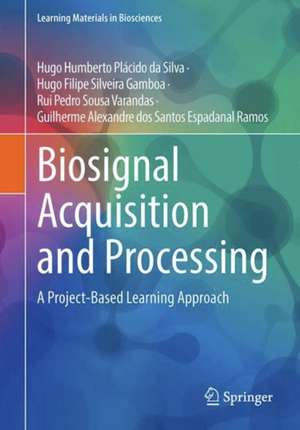
Biosignal Acquisition and Processing: Learning Materials in Biosciences
Autor Hugo Humberto Plácido Da Silva, Hugo Filipe Silveira Gamboa, Rui Pedro Sousa Varandas, Guilherme Alexandre Dos Santos Espadanal Ramosen Limba Engleză Paperback – 31 mai 2024
În domeniul ingineriei biomedicale și al tehnologiilor de monitorizare a sănătății, integrarea dintre hardware-ul de achiziție și algoritmii de analiză reprezintă o provocare tehnică majoră. Biosignal Acquisition and Processing abordează această complexitate printr-o metodologie practică de tip Project-Based Learning (PBL). Remarcăm structura riguroasă a celor 21 de capitole care ghidează cititorul prin întregul ciclu de viață al unui proiect: de la construcția fizică a senzorilor (Capitolul 2) și utilizarea platformelor Arduino și BITalino, până la fluxuri avansate de date și eșantionare. Apreciem faptul că autorii nu se limitează la achiziția brută, ci alocă spațiu generos procesării în Python, explorând domeniul frecvență, modularea semnalelor și, în final, aplicarea tehnicilor de Machine Learning pentru extracția de cunoștințe. Cititorul care a aplicat principiile de bază din Arduino VI: Bioinstrumentation de Steven F. Barrett va găsi aici o continuare firească, ce extinde procesarea către zona de analytics în timp real și interfețe web. Spre deosebire de lucrările pur teoretice, acest volum include soluții software complete, utilizând HTML, CSS și JavaScript pentru a vizualiza datele, transformând un experiment de laborator într-o aplicație complet funcțională. Progresia narativă este logică, pornind de la fundamentele analogice și culminând cu integrarea biosemnalelor în mediul web modern, oferind astfel o viziune holistică asupra sistemelor de bioinstrumentație actuale.
Din seria Learning Materials in Biosciences
- 5%
 Preț: 509.43 lei
 - 5%
 Preț: 754.13 lei
 - 15%
 Preț: 487.18 lei
 - 15%
 Preț: 591.09 lei
 - 5%
 Preț: 631.73 lei
 - 19%
 Preț: 444.44 lei
 -
 Preț: 386.15 lei
 - 19%
 Preț: 424.74 lei
 - 15%
 Preț: 510.09 lei
 - 5%
 Preț: 373.10 lei
 - 5%
 Preț: 739.94 lei
 - 19%
 Preț: 471.37 lei
 - 5%
 Preț: 594.39 lei
 -
 Preț: 387.98 lei
 - 5%
 Preț: 591.93 lei
 - 15%
 Preț: 458.97 lei
 - 15%
 Preț: 460.45 lei
 - 15%
 Preț: 439.10 lei
 - 15%
 Preț: 475.86 lei
 - 5%
 Preț: 635.14 lei
 - 5%
 Preț: 542.88 lei
 - 15%
 Preț: 516.63 lei
 - 15%
 Preț: 494.38 lei
 - 15%
 Preț: 529.27 lei
 - 15%
 Preț: 510.73 lei
 -
 Preț: 391.00 lei
 -
 Preț: 296.09 lei
 - 5%
 Preț: 437.15 lei
 - 5%
 Preț: 555.11 lei
 - 15%
 Preț: 511.74 lei
 - 15%
 Preț: 423.73 lei
 - 15%
 Preț: 586.75 lei
 - 15%
 Preț: 446.58 lei
 - 15%
 Preț: 657.53 lei
 - 5%
 Preț: 868.96 lei
 - 15%
 Preț: 511.48 lei
 - nou
 Preț: 579.45 lei
Preț: 430.31 lei
Preț vechi: 483.49 lei
-11%
Carte disponibilă
Livrare economică 07-21 noiembrie
Livrare express 24-30 octombrie pentru 41.35 lei
Specificații
ISBN-10: 303135186X
Pagini: 360
Ilustrații: VIII, 352 p. 261 illus., 251 illus. in color.
Dimensiuni: 168 x 240 x 20 mm
Greutate: 0.6 kg
Ediția:2024
Editura: Springer
Colecția Learning Materials in Biosciences
Seria Learning Materials in Biosciences
Locul publicării:Cham, Switzerland
V-ar putea interesa
-
 -9%Preț: 381.13 lei419.60 lei
 -
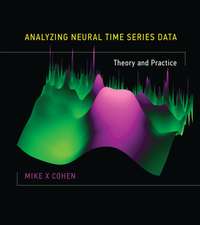 Analyzing Neural Time Series DataMike X Cohen-45%Preț: 490.96 lei896.75 lei
 -
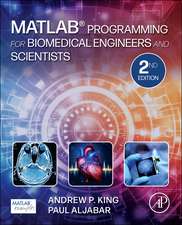 MATLAB Programming for Biomedical Engineers and ScientistsAndrew P. King-27%Preț: 365.35 lei499.33 lei
 -
 -31%Preț: 622.38 lei907.21 lei
 -
 -31%Preț: 441.34 lei639.30 lei
 -
 Oh's Intensive Care ManualJonathan M. Handy-29%Preț: 691.97 lei971.74 leiRecomandat
 -
 Signals and Systems Using MATLAB®Aydin Akan-32%Preț: 669.76 lei981.55 lei
 -
 -41%Preț: 601.71 lei1017.61 lei
 -
 -40%Preț: 622.22 lei1028.93 lei
 -
 Preț: 245.96 lei
 -
 Principles and Applications of Electrical Engineering ISEGiorgio Rizzoni-25%Preț: 395.45 lei527.08 lei
 -
 MechatronicsW. Bolton-11%Preț: 666.56 lei748.94 lei
 -
 Make: Arduino Bots and GadgetsTero KarvinenPreț: 210.49 lei
 -
 -36%Preț: 284.35 lei440.95 lei
 -
 Fundamentals of Music ProcessingMeinard Müller-20%Preț: 379.20 lei474.00 lei
 -
 Preț: 433.14 lei
 -
 Signals and Systems with MATLAB® and Simulink®Farzin AsadiPreț: 431.01 lei
 -
 Arduino VISteven F. BarrettPreț: 450.83 lei
 -
 -20%Preț: 458.54 lei573.18 lei
 -
 Electrical Biosignals in Biomedical EngineeringPeter Husar-18%Preț: 722.65 lei881.28 lei
De ce să citești această carte
Această carte este esențială pentru studenții și inginerii care doresc să treacă de la teorie la prototipuri funcționale. Veți câștiga competențe practice în proiectarea senzorilor și procesarea datelor cu Python, învățând să depășiți obstacolele tehnice legate de zgomotul semnalului și eșantionare. Este un ghid practic care transformă conceptele abstracte de biosemnale în proiecte hardware și software gata de implementat în cercetare sau industrie.
Despre autor
Hugo Humberto Plácido Da Silva, Hugo Filipe Silveira Gamboa, Rui Pedro Sousa Varandas și Guilherme Alexandre Dos Santos Espadanal Ramos sunt experți recunoscuți în inginerie biomedicală, cu o vastă experiență în dezvoltarea de platforme pentru achiziția de date fiziologice. Hugo Gamboa și Hugo Silva sunt implicați activ în cercetarea sistemelor de monitorizare non-invazive, fiind co-fondatori ai unor inițiative tehnologice care au democratizat accesul la instrumente de bio-semnale, precum platforma BITalino. Expertiza lor combinată acoperă atât designul de circuite electronice, cât și algoritmii sofisticați de procesare a datelor și inteligență artificială aplicată în medicină.
Descriere scurtă
Cuprins
Notă biografică
Hugo Filipe Silveira Gamboa is an Associate Professor at the Physics Department of Nova School of Science and Technology from Nova University Lisbon and member of the LIBPHYS-UNL research center. He is co-founder and president of PLUX, a technology-based innovative company in the field of systems and wireless medical sensors, where he supports the company research vision of a multidisciplinary team, that covers microelectronics, biosignal processing and software development.
Rui Pedro Sousa Varandas is a PhD student currently enrolled at Nova School of Science and Technology from Nova University Lisbon, where he also completed his Master's degree in Biomedical Engineering. His research is focused on studying the possibility of monitoring learning states through biosignals and human-computer interaction variables, and he is working in collaboration with LIBPhys-UNL and PLUX - Wireless Biosignals, S.A.
Guilherme Alexandre dos Santos Espadanal Ramos works as a Software Engineer at PLUX - Wireless Biosignals, S.A., after completing a Master’s degree in Biomedical Engineering at Nova School of Science and Technology from Nova University Lisbon. Between the graduation and the start of his journey at PLUX, he dedicated some time to research, working as a collaborator on LIBPhys-UNL, which helped him developing a more practical knowledge about physiological signal acquisition and processing, one of the scientific areas with greatest interest for him and that continues to exceed his expectations nowadays.