
Alienating Labour: International Studies in Social History, cartea 22
Autor Eszter Barthaen Limba Engleză Hardback – 15 noi 2013
Din seria International Studies in Social History
-
 Preț: 251.97 lei
 -
 Preț: 261.63 lei
 - 23%
 Preț: 761.52 lei
 - 23%
 Preț: 760.37 lei
 - 23%
 Preț: 1017.80 lei
 - 23%
 Preț: 757.24 lei
 - 23%
 Preț: 759.82 lei
 - 23%
 Preț: 761.93 lei
 - 23%
 Preț: 761.56 lei
 - 23%
 Preț: 758.97 lei
 - 23%
 Preț: 755.53 lei
 - 23%
 Preț: 762.13 lei
 - 23%
 Preț: 759.81 lei
 -
 Preț: 165.16 lei
 -
 Preț: 268.94 lei
 - 23%
 Preț: 758.37 lei
 - 23%
 Preț: 844.58 lei
 - 23%
 Preț: 851.48 lei
 -
 Preț: 270.27 lei
 - 23%
 Preț: 757.69 lei
 -
 Preț: 263.72 lei
 - 23%
 Preț: 849.63 lei
 -
 Preț: 231.26 lei
 - 23%
 Preț: 1034.04 lei
 -
 Preț: 265.79 lei
 -
 Preț: 251.28 lei
 - 23%
 Preț: 758.37 lei
 -
 Preț: 266.66 lei
 - 23%
 Preț: 850.56 lei
 - 23%
 Preț: 760.17 lei
 - 23%
 Preț: 760.44 lei
 - 15%
 Preț: 479.61 lei
Preț: 848.54 lei
Preț vechi: 1102.00 lei
-23%
Puncte Express: 1273
Carte tipărită la comandă
Livrare economică 28 noiembrie-12 decembrie
Livrare prin curier în România Termenul estimat este afișat lângă disponibilitate.
Transport gratuit pentru acest produs Plată online sau ramburs, în funcție de opțiunile comenzii.
Retur gratuit în 14 zile Comandă securizată și suport în română.
Specificații
ISBN-13: 9781782380252
ISBN-10: 1782380256
Pagini: 374
Dimensiuni: 157 x 235 x 25 mm
Greutate: 0.69 kg
Editura: BERGHAHN BOOKS
Colecția International Studies in Social History
Seria International Studies in Social History
ISBN-10: 1782380256
Pagini: 374
Dimensiuni: 157 x 235 x 25 mm
Greutate: 0.69 kg
Editura: BERGHAHN BOOKS
Colecția International Studies in Social History
Seria International Studies in Social History
V-ar putea interesa
-
 GrundrisseKarl Marx-21%Preț: 116.51 lei146.86 lei
 -
 The Condition of the Working Class in EnglandFriedrich Engels-19%Preț: 70.41 lei86.45 lei
 -
 -25%Preț: 345.12 lei461.90 lei
 -
 Eleanor of CastileJohn Carmi ParsonsPreț: 404.31 lei
 -
 The Crisis of 1898Angel Smith-18%Preț: 949.87 lei1158.37 lei
 -
 -15%Preț: 650.79 lei765.63 lei
 -
 -15%Preț: 607.21 lei714.37 lei
 -
 -15%Preț: 662.66 lei779.60 lei
 -
 -28%Preț: 474.46 lei658.32 lei
 -
 -26%Preț: 509.68 lei691.01 lei
 -
 Preț: 480.02 lei
 -
 Quantified Self in Precarity: Work, Technology and What CountsPhoebe V. MoorePreț: 447.52 lei
 -
 Dirty WorkEyal PressPreț: 211.27 lei
 -
 The Political Economy of WorkDavid SpencerPreț: 459.87 lei
 -
 The Essential MarxKarl MarxPreț: 84.22 lei
 -
 Women at the GatesWendy Z. GoldmanPreț: 254.61 lei
 -
 The Alchemy ReaderStanton J. LindenPreț: 184.43 lei
 -
 Hard Work: Life in Low-Pay BritainPolly Toynbee-28%Preț: 74.04 lei102.75 lei
 -
 Sage Handbook of the Sociology of Work and EmploymentStephen Edgell-14%Preț: 1138.25 lei1323.54 lei
 -
 -18%Preț: 1126.95 lei1374.34 lei
 -
 Capitalism, Technology, LaborGreg AlboPreț: 431.19 lei
 -
 Nickel and DimedBarbara EhrenreichPreț: 78.55 lei
 -
 The Political WritingsKarl MarxPreț: 256.73 lei
 -
 How to Be an Anticapitalist in the Twenty-First CenturyErik Olin WrightPreț: 98.90 lei
 -
 London Labour and the London PoorHenry MayhewPreț: 47.21 lei
 -
 The Revolutions of 1848Karl MarxPreț: 176.37 lei
 -
 Surveys from ExileKarl MarxPreț: 176.89 lei
 -
 BATTLE OF THE MARNE 8TH-10TH SEPTEMBER 1914, TOUR OF THE BATTLEFIELDWar Office 30th November 1935Preț: 227.68 lei
 -
 Workers in a lean WorldKim MoodyPreț: 177.96 lei
 -
 Autour Du Drapeau, Récits MilitairesMarc BonnefoyPreț: 143.84 lei
Notă biografică
Eszter Bartha is a habilitated Assistant Professor in the Department of Eastern European History at the EA¶tvA¶s LorA¡nd University in Budapest. She received a PhD in History from the Central European University in Budapest in 2007 and another in Sociology from EA¶tvA¶s LorA¡nd University in 2012. Her current work examines the relationship between the party and the working class in the declining phase of Communism.
Descriere
Descriere de la o altă ediție sau format:
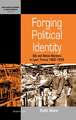
Examines the effect that the Communist Party dictatorships in Hungary and East Germany had on working class political consciousness Well researched with a thorough use of archival research Uses case studies to illuminate the relationship between the workers’ state and the industrial working class
Examines the effect that the Communist Party dictatorships in Hungary and East Germany had on working class political consciousness Well researched with a thorough use of archival research Uses case studies to illuminate the relationship between the workers’ state and the industrial working class