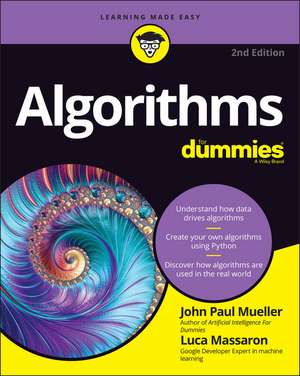
Algorithms for Dummies
Autor John Paul Mueller, Luca Massaronen Limba Engleză Paperback – 3 mai 2022
Destinat utilizatorilor curioși de internet și studenților la informatică aflați la început de drum, Algorithms for Dummies demistifică motorul invizibil al societății moderne. Găsim în această carte o abordare tehnică, dar accesibilă, a modului în care instrucțiunile logice guvernează totul, de la banalele sarcini casnice până la algoritmii complecși de căutare Google. Structura volumului pune accent pe utilitate: nu se limitează la teorie, ci oferă instrumente concrete, precum Google Colaboratory, permițând testarea codului direct în browser, fără configurări locale complicate. Descoperim aici o evoluție a stilului pragmatic al lui John Paul Mueller, care, spre deosebire de lucrările sale anterioare mai specializate precum C++ All-In-One for Dummies sau Android Application Development All-In-One for Dummies, alege aici să prioritizeze înțelegerea conceptuală și vizualizarea prin grafice. Dacă în volumele dedicate C++ sau Android accentul cădea pe sintaxă și framework-uri specifice, în Algorithms for Dummies autorul se concentrează pe logica fundamentală care precede orice limbaj de programare. Complementar volumului Real-World Algorithms de Panos Louridas, care pune accent pe rezolvarea problemelor fără un background matematic avansat, titlul de față merge un pas mai departe prin integrarea directă cu GitHub. Această conexiune asigură cititorului acces la resurse digitale vii, transformând lectura dintr-una pasivă într-o experiență de învățare activă. Ritmul este constant, ghidând utilizatorul de la definiții de bază până la crearea propriilor algoritmi, totul într-un format paperback generos de 448 de pagini.
Preț: 140.90 lei
Preț vechi: 176.13 lei
-20%
Carte disponibilă
Livrare economică 06-20 noiembrie
Livrare express 23-29 octombrie pentru 34.05 lei
Specificații
ISBN-10: 1119869986
Pagini: 448
Dimensiuni: 189 x 233 x 27 mm
Greutate: 0.61 kg
Ediția:2nd edition
Editura: Wiley
Locul publicării:Hoboken, United States
V-ar putea interesa
-
 -20%Preț: 225.84 lei282.30 lei
 -
 Absolute Beginner's Guide to AlgorithmsKirupa Chinnathambi-20%Preț: 202.22 lei252.78 lei
 -
 -20%Preț: 315.12 lei393.89 lei
 -
 Algorithms UnlockedThomas H. Cormen-26%Preț: 189.43 lei256.67 lei
 -
 AlgorithmsPanos Louridas-15%Preț: 93.65 lei110.51 lei
 -
 AlgorithmsRobert Sedgewick-20%Preț: 521.68 lei652.09 lei
 -
 Essential AlgorithmsRod Stephens-20%Preț: 329.45 lei411.81 lei
 -
 -20%Preț: 159.24 lei199.05 lei
 -
 Web Coding & Development All-in-One For Dummies, 2nd EditionPaul McFedries-20%Preț: 242.60 lei303.25 lei
 -
 Artificial Intelligence For DummiesJohn Paul MuellerPreț: 140.45 lei
 -
 ChatGPT For Dummies, 2nd EditionPam Baker-20%Preț: 97.96 lei122.44 lei
 -
 Coding For Dummies, All New EditionPaul McFedries-20%Preț: 116.94 lei146.18 lei
 -
 -28%Preț: 66.42 lei92.00 lei
 -
 AlgospeakAdam AleksicPreț: 122.02 leiRecomandat
 -
 Algorithms and Data Structures in ActionMarcello La Rocca-20%Preț: 396.11 lei495.14 lei
 -
 Grokking Algorithms, Second EditionAditya Y Bhargava-20%Preț: 287.29 lei359.12 lei
 -
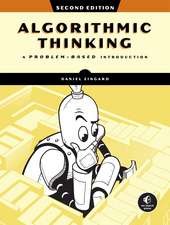 -35%Preț: 257.95 lei396.16 lei
 -
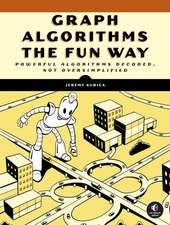 -35%Preț: 300.13 lei465.31 lei
 -
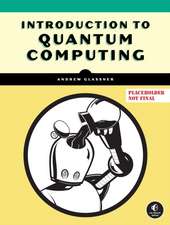 Quantum Computing: From Concepts to CodeAndrew Glassner-35%Preț: 241.67 lei371.43 lei
 -
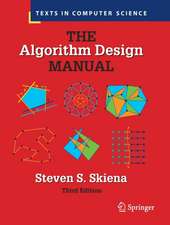 The Algorithm Design ManualSteven S. Skiena-20%Preț: 421.03 lei526.30 lei
De ce să citești această carte
Recomandăm această carte începătorilor care doresc să înțeleagă mecanismele din spatele tehnologiei fără a se bloca în formalism matematic excesiv. Câștigați o perspectivă clară asupra modului în care datele sunt procesate și, cel mai important, primiți acces la un mediu de lucru practic (Google Colaboratory și GitHub) pentru a experimenta imediat cu logica algoritmilor.
Despre autor
John Paul Mueller este un editor tehnic și autor independent cu o vastă experiență în domenii diverse, de la gestionarea bazelor de date și programare până la rețele și inteligență artificială. Expertiza sa în transformarea subiectelor complexe în ghiduri accesibile este demonstrată în numeroase titluri de succes din seria „For Dummies”. Luca Massaron este un specialist în analiza datelor și interpretarea algoritmilor, aducând o perspectivă aplicată asupra modului în care modelele matematice influențează deciziile în lumea reală.
Descriere scurtă
In Algorithms For Dummies, you'll discover the basics of algorithms, including what they are, how they work, where you can find them (spoiler alert: everywhere!), who invented the most important ones in use today (a Greek philosopher is involved), and how to create them yourself.
You'll also find:
- Dozens of graphs and charts that help you understand the inner workings of algorithms
- Links to an online repository called GitHub for constant access to updated code
- Step-by-step instructions on how to use Google Colaboratory, a zero-setup coding environment that runs right from your browser
Notă biografică
Cuprins
Part 1: Getting Started with Algorithms 7
Chapter 1: Introducing Algorithms 9
Chapter 2: Considering Algorithm Design 23
Chapter 3: Working with Google Colab 41
Chapter 4: Performing Essential Data Manipulations Using Python 59
Chapter 5: Developing a Matrix Computation Class 79
Part 2: Understanding the Need to Sort and Search 97
Chapter 6: Structuring Data 99
Chapter 7: Arranging and Searching Data 117
Part 3: Exploring the World of Graphs 139
Chapter 8: Understanding Graph Basics 141
Chapter 9: Reconnecting the Dots 161
Chapter 10: Discovering Graph Secrets 195
Chapter 11: Getting the Right Web page 207
Part 4: Wrangling Big Data 223
Chapter 12: Managing Big Data 225
Chapter 13: Parallelizing Operations 249
Chapter 14: Compressing and Concealing Data 267
Part 5: Challenging Difficult Problems 289
Chapter 15: Working with Greedy Algorithms 291
Chapter 16: Relying on Dynamic Programming 307
Chapter 17: Using Randomized Algorithms 331
Chapter 18: Performing Local Search 349
Chapter 19: Employing Linear Programming 367
Chapter 20: Considering Heuristics 381
Part 6: The Part of Tens 401
Chapter 21: Ten Algorithms That Are Changing the World 403
Chapter 22: Ten Algorithmic Problems Yet to Solve 411
Index 417
ntroduction 1
Part 1: Getting Started with Algorithms 7
Chapter 1: Introducing Algorithms 9
Chapter 2: Considering Algorithm Design 23
Chapter 3: Working with Google Colab 41
Chapter 4: Performing Essential Data Manipulations Using Python 59
Chapter 5: Developing a Matrix Computation Class 79
Part 2: Understanding the Need to Sort and Search 97
Chapter 6: Structuring Data 99
Chapter 7: Arranging and Searching Data 117
Part 3: Exploring the World of Graphs 139
Chapter 8: Understanding Graph Basics 141
Chapter 9: Reconnecting the Dots 161
Chapter 10: Discovering Graph Secrets 195
Chapter 11: Getting the Right Web page 207
Part 4: Wrangling Big Data 223
Chapter 12: Managing Big Data 225
Chapter 13: Parallelizing Operations 249
Chapter 14: Compressing and Concealing Data 267
Part 5: Challenging Difficult Problems 289
Chapter 15: Working with Greedy Algorithms 291
Chapter 16: Relying on Dynamic Programming 307
Chapter 17: Using Randomized Algorithms 331
Chapter 18: Performing Local Search 349
Chapter 19: Employing Linear Programming 367
Chapter 20: Considering Heuristics 381
Part 6: The Part of Tens 401
Chapter 21: Ten Algorithms That Are Changing the World 403
Chapter 22: Ten Algorithmic Problems Yet to Solve 411
Index 417
ntroduction 1
Part 1: Getting Started with Algorithms 7
Chapter 1: Introducing Algorithms 9
Chapter 2: Considering Algorithm Design 23
Chapter 3: Working with Google Colab 41
Chapter 4: Performing Essential Data Manipulations Using Python 59
Chapter 5: Developing a Matrix Computation Class 79
Part 2: Understanding the Need to Sort and Search 97
Chapter 6: Structuring Data 99
Chapter 7: Arranging and Searching Data 117
Part 3: Exploring the World of Graphs 139
Chapter 8: Understanding Graph Basics 141
Chapter 9: Reconnecting the Dots 161
Chapter 10: Discovering Graph Secrets 195
Chapter 11: Getting the Right Web page 207
Part 4: Wrangling Big Data 223
Chapter 12: Managing Big Data 225
Chapter 13: Parallelizing Operations 249
Chapter 14: Compressing and Concealing Data 267
Part 5: Challenging Difficult Problems 289
Chapter 15: Working with Greedy Algorithms 291
Chapter 16: Relying on Dynamic Programming 307
Chapter 17: Using Randomized Algorithms 331
Chapter 18: Performing Local Search 349
Chapter 19: Employing Linear Programming 367
Chapter 20: Considering Heuristics 381
Part 6: The Part of Tens 401
Chapter 21: Ten Algorithms That Are Changing the World 403
Chapter 22: Ten Algorithmic Problems Yet to Solve 411
Index 417