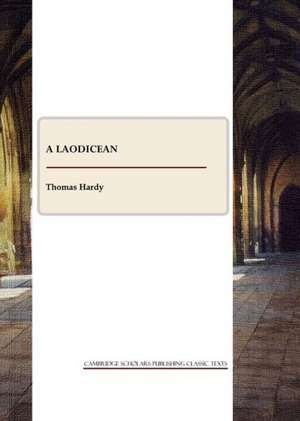
A Laodicean: A Story of To-day: Cambridge Scholars Publishing Classics Texts
Autor Thomas Hardyen Limba Engleză Paperback – 31 oct 2008
Din seria Cambridge Scholars Publishing Classics Texts
-
 Preț: 159.01 lei
 -
 Preț: 50.65 lei
 -
 Preț: 113.36 lei
 -
 Preț: 118.76 lei
 -
 Preț: 160.84 lei
 -
 Preț: 91.18 lei
 -
 Preț: 95.15 lei
 -
 Preț: 72.99 lei
 -
 Preț: 130.60 lei
 -
 Preț: 146.98 lei
 -
 Preț: 93.76 lei
 -
 Preț: 72.34 lei
 -
 Preț: 144.21 lei
 -
 Preț: 80.69 lei
 -
 Preț: 156.22 lei
 -
 Preț: 152.51 lei
 -
 Preț: 70.27 lei
 -
 Preț: 78.85 lei
 -
 Preț: 122.00 lei
 -
 Preț: 86.82 lei
 -
 Preț: 80.69 lei
 -
 Preț: 93.02 lei
 -
 Preț: 76.23 lei
 -
 Preț: 88.11 lei
 -
 Preț: 137.73 lei
 -
 Preț: 102.40 lei
 -
 Preț: 78.85 lei
 -
 Preț: 130.30 lei
 -
 Preț: 93.02 lei
 -
 Preț: 92.09 lei
 -
 Preț: 138.66 lei
 -
 Preț: 99.50 lei
 -
 Preț: 74.73 lei
 -
 Preț: 121.50 lei
 -
 Preț: 106.48 lei
Preț: 63.18 lei
Puncte Express: 95
Carte indisponibilă temporar
Doresc să fiu notificat când acest titlu va fi disponibil:
Se trimite...
Specificații
ISBN-13: 9781847188519
ISBN-10: 1847188516
Pagini: 353
Dimensiuni: 145 x 206 x 23 mm
Greutate: 0.45 kg
Editura: Cambridge Scholars Publishing
Seria Cambridge Scholars Publishing Classics Texts
ISBN-10: 1847188516
Pagini: 353
Dimensiuni: 145 x 206 x 23 mm
Greutate: 0.45 kg
Editura: Cambridge Scholars Publishing
Seria Cambridge Scholars Publishing Classics Texts
V-ar putea interesa
-
 Sense and SensibilityJane AustenPreț: 28.01 lei
 -
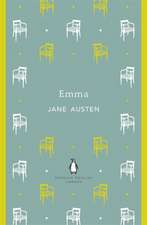 EmmaJane Austen-24%Preț: 50.51 lei66.77 lei
 -
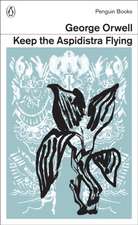 Keep the Aspidistra FlyingGeorge Orwell-27%Preț: 52.63 lei71.65 lei
 -
 Preț: 107.37 lei
 -
 A Pair of Blue EyesThomas Hardy-17%Preț: 60.62 lei73.16 lei
 -
 A Room with a ViewEdward Morgan Forster-27%Preț: 51.66 lei71.08 lei
 -
 -26%Preț: 53.81 lei72.49 lei
 -
 The Picture of Dorian GrayOscar WildePreț: 35.93 lei
 -
 Pride and PrejudiceJane AustenPreț: 44.28 lei
 -
 MeditationsMarcus AureliusPreț: 34.00 lei
 -
 The Ha-HaJennifer DawsonPreț: 71.45 lei
 -
 -26%Preț: 116.62 lei157.64 lei
 -
 Anne of Avenue A: A NovelAudrey Bellezza-18%Preț: 59.88 lei72.69 leiRecomandat
 -
 Mansfield ParkJane AustenPreț: 38.45 lei
 -
 An Inspector Calls: Annotation-Friendly EditionJ. B. PriestleyPreț: 86.45 lei
 -
 This SlaveryEthel Carnie HoldsworthPreț: 143.96 lei
 -
 Pride and PrejudicesKeio YoshidaPreț: 122.53 lei
 -
 Preț: 34.20 lei
 -
 UtopiaThomas MorePreț: 33.19 lei
Notă biografică
Thomas Hardy (1840 - 1928) was an English novelist and poet. A Victorian realist in the tradition of George Eliot, he was influenced both in his novels and in his poetry by Romanticism, especially William Wordsworth. He was highly critical of much in Victorian society, though Hardy focused more on a declining rural society. While Hardy wrote poetry throughout his life and regarded himself primarily as a poet, his first collection was not published until 1898. Initially, therefore, he gained fame as the author of such novels as Far from the Madding Crowd (1874), The Mayor of Casterbridge (1886), Tess of the d'Urbervilles (1891), and Jude the Obscure (1895). During his lifetime, Hardy's poetry was acclaimed by younger poets (particularly the Georgians) who viewed him as a mentor. After his death his poems were lauded by Ezra Pound, W. H. Auden and Philip Larkin. Many of his novels concern tragic characters struggling against their passions and social circumstances and they are often set in the semi-fictional region of Wessex; initially based on the medieval Anglo-Saxon kingdom, Hardy's Wessex eventually came to include the counties of Dorset, Wiltshire, Somerset, Devon, Hampshire and much of Berkshire, in southwest and south central England. He destroyed the manuscript of his first, unplaced novel, but -- encouraged by mentor and friend George Meredith -- tried again. His important work took place in an area of southern England he called Wessex, named after the English kingdom that existed before the Norman Conquest.