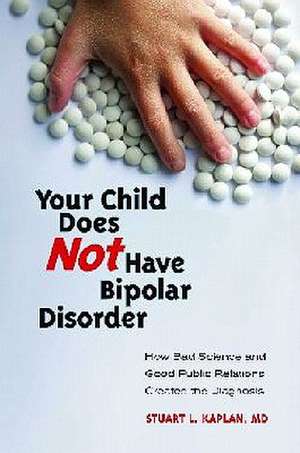
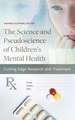
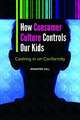
Your Child Does Not Have Bipolar Disorder: How Bad Science and Good Public Relations Created the Diagnosis: Childhood in America
Editat de Stuart L. Kaplan M.D.en Limba Engleză Hardback – 3 mar 2011
Evoluția psihiatriei infantile din ultimele decenii a fost marcată de o creștere exponențială a diagnosticelor complexe, un fenomen pe care volumul Your Child Does Not Have Bipolar Disorder îl analizează dintr-o perspectivă critică, de tip avertizor de integritate. Credem că această lucrare reprezintă o corecție necesară într-un peisaj clinic dominat de ceea ce autorul Stuart L. Kaplan M.D. numește „știință precară și relații publice eficiente”. Bazându-se pe o carieră de peste patru decenii, Kaplan investighează cum o entitate diagnostică ce anterior era considerată inexistentă la vârste fragede a ajuns să fie aplicată masiv copiilor și adolescenților.
Cititorii familiarizați cu The Bipolar Child (Third Edition) de Demitri Papolos vor aprecia perspectiva diametral opusă pe care o aduce acest volum. În timp ce literatura convențională extinde spectrul bipolarității, Kaplan demonstrează prin date din Childhood in America că dovezile științifice împotriva existenței tulburării bipolare pediatrice sub vârsta de 12 ani sunt covârșitoare. Structura cărții este riguros organizată în două părți: prima oferă o critică a sistemului DSM și a studiilor genetice sau epidemiologice, în timp ce a doua parte reîncadrează simptomatologia în categorii precum depresia infantilă sau ADHD.
Putem afirma că relevanța acestui text pentru curriculumul de psihopatologie și psihiatrie este majoră, oferind o analiză a modului în care industria farmaceutică și media influențează deciziile clinice. Autorul nu se limitează la critică, ci include scenarii clinice care explică ce anume manifestă copiii în realitate și cum pot fi abordate aceste comportamente fără riscurile asociate medicației antipsihotice. Tonul este unul sobru, academic, dar accesibil, transformând o dezbatere tehnică într-un ghid esențial pentru înțelegerea integrității diagnostice.

Preț: 246.54 lei
Preț vechi: 331.98 lei
-26%
Carte tipărită la comandă
Livrare economică 08-22 iunie
Specificații
ISBN-10: 0313381348
Pagini: 208
Ilustrații: 8
Dimensiuni: 160 x 238 x 16 mm
Greutate: 0.48 kg
Editura: Bloomsbury Publishing
Colecția Praeger
Seria Childhood in America
Locul publicării:New York, United States
V-ar putea interesa
-
 Madness: A Very Short IntroductionAndrew Scull-21%Preț: 53.41 lei67.74 lei
 -
 Psychology, Mental Health and DistressJohn Cromby-27%Preț: 404.85 lei555.56 lei
 -
 -5%Preț: 1120.89 lei1179.89 lei
 -
 Depression – A Public FeelingAnn CvetkovichPreț: 172.49 lei
 -
 -8%Preț: 630.49 lei685.31 lei
 -
 Mental Health WorldwideS. Fernando-15%Preț: 614.75 lei723.23 lei
 -
 Preț: 100.21 lei
 -
 -28%Preț: 74.33 lei102.72 lei
 -
 -26%Preț: 193.13 lei261.76 lei
 -
 -20%Preț: 114.53 lei142.76 lei
 -
 An Exceptional Children's Guide to Touch: Teaching Social and Physical Boundaries to KidsMcKinley Hunter Manasco-20%Preț: 112.76 lei141.69 lei
 -
 Living with VoicesJacqui DillonPreț: 203.39 lei
De ce să citești această carte
Recomandăm această carte profesioniștilor din sănătatea mintală și părinților care caută o a doua opinie avizată asupra diagnosticelor de psihiatrie infantilă. Cititorul câștigă o înțelegere clară a mecanismelor din spatele diagnosticelor „la modă” și învață să diferențieze între tulburarea bipolară adultă și manifestările specifice copilăriei, evitând astfel tratamentele medicamentoase inutile și potențial periculoase.
Descriere
Your Child Does Not Have Bipolar Disorder: How Bad Science and Good Public Relations Created the Diagnosis examines this diagnostic fad through a variety of lenses. Author Stuart L. Kaplan, MD, draws heavily on his forty years of experience as a clinician, researcher, and professor of child psychiatry to make the argument that bipolar disorder in children and adolescents is incorrectly diagnosed and incorrectly treated.
As Dr. Kaplan explains, the dramatic rise in this particular diagnosis is not based on scientific evidence, nor does it reflect any new discovery or insight about the etiology or treatment of the disorder. In fact, the opposite is the case: the scientific evidence against the existence of child bipolar disorder is so strong that it is difficult to imagine how it has gained the endorsement of anyone in the scientific community.
Your Child Does Not Have Bipolar Disorder: How Bad Science and Good Public Relations Created the Diagnosis explains to parents and professionals the faulty reasoning and bad science behind the misdiagnosis of childhood bipolar disorder. Dr. Kaplan critiques the National Institute of Mental Health, academic child psychiatry, the pharmaceutical industry, and the media for their respective roles in advocating this diagnosis. He describes very clearly what the children and adolescents actually do have, explains how it should be treated, and provides real-life clinical scenarios and approaches to treatment that work.
Cuprins
Introduction
PART I. CRITIQUE OF PEDIATRIC BIPOLAR DISORDER
1 Adult Bipolar Disorder and the DSM System
Adult Bipolar Disorder
The DSM System
2 Pediatric Bipolar Disorder
Pediatric Bipolar Disorder as ADHD and ODD
The Development of the Diagnosis of Pediatric Bipolar Disorder
Bipolar Disorder in the Very Young
One Authoritative View
3 Some Studies of the Scientific Basis of Pediatric Bipolar Disorder
Genetics
Age of Onset: Family Studies
Age of Onset: Self-Report
Epidemiology
Treatment or Prevention?
4 Cultural Influences in Pediatric Bipolar Disorder
How Culture Helps Shape Mental Illness
Pediatric Bipolar Disorder as a Media Event
Professional Support for the Diagnosis
Psychological Consequences of Misdiagnosis
Conclusion
5 Child and Adolescent Depression: A Brief Introduction
Diagnosing Depression in Children and Adolescents
The Diagnosis of Depression in Children and Adolescents and DSM-IV Criteria
Suicide
Depression and Bipolar Disorder
Conclusion
6 Did Romeo and Juliet Have Bipolar II Disorder? Bipolar Disorder in Adolescence
Romeo and Juliet
Aggression and the Misdiagnosis of Bipolar Disorder in an Adolescent
Bipolar Disorder in an Adolescent
Conclusion
PART II. MEDICATIONS AND PEDIATRIC BIPOLAR DISORDER
7 Three Medications for Pediatric Bipolar Disorder
Lithium
Valproate
Risperidone
Conclusion
8 Clinical Trials
A Change in Clinical Child Psychiatry
Introduction to Clinical Trials
Multisite Clinical Trials
Example of a Clinical Trial
Conclusion
9 Bad Science
The Importance of Falsification
Diagnostic Errors
Mixing Apples and Oranges
Chicken or Egg?
Conclusion
10 Stimulant Medications
Ethical Considerations
Increase of Use in Stimulant Medication
The MTA Study
Stimulant Risks
Conclusion
PART III. ADVICE FOR PARENTS
11 Medication Advice for Parents
Stimulant Medications
Antipsychotic Medications
12 A Family-Based Behavior Modification Program for Oppositional Children
Reinforcing Bad Behavior
The Behavior Modification Program: An Overview
Stage I: Rewards List
Stage II: Misbehavior List
Stage III: Baseline Data
Stage IV: Implementation
Family Therapy Considerations
For Parents Only
Afterword by Sharna Olfman, PhD
Index