
Working With Students With Disabilities: Preparing School Counselors: Counseling and Professional Identity
Editat de Vicki A. McGinley, Barbara C. Trolleyen Limba Engleză Electronic book text – 27 sep 2015
Din seria Counseling and Professional Identity
- 23%
 Preț: 980.31 lei
 - 22%
 Preț: 881.41 lei
 - 9%
 Preț: 1302.61 lei
 - 18%
 Preț: 592.56 lei
 - 23%
 Preț: 658.15 lei
 - 27%
 Preț: 802.35 lei
 - 23%
 Preț: 657.21 lei
 - 8%
 Preț: 599.98 lei
 - 8%
 Preț: 599.98 lei
 - 8%
 Preț: 516.96 lei
 - 5%
 Preț: 619.54 lei
 - 8%
 Preț: 599.98 lei
 - 5%
 Preț: 448.90 lei
 - 8%
 Preț: 516.96 lei
 - 8%
 Preț: 599.98 lei
 - 15%
 Preț: 401.65 lei
 - 15%
 Preț: 401.65 lei
 - 8%
 Preț: 516.96 lei
 - 15%
 Preț: 401.65 lei
 - 8%
 Preț: 516.96 lei
 - 8%
 Preț: 516.96 lei
 - 15%
 Preț: 401.65 lei
Preț: 382.20 lei
Puncte Express: 573
Indisponibil temporar
Doresc să fiu notificat când acest titlu va fi disponibil:
Se trimite...
Specificații
ISBN-13: 9781483359694
ISBN-10: 1483359697
Pagini: 408
Dimensiuni: 187 x 232 mm
Ediția:1
Editura: SAGE Publications
Colecția Sage Publications, Inc
Seria Counseling and Professional Identity
Locul publicării:Thousand Oaks, United States
ISBN-10: 1483359697
Pagini: 408
Dimensiuni: 187 x 232 mm
Ediția:1
Editura: SAGE Publications
Colecția Sage Publications, Inc
Seria Counseling and Professional Identity
Locul publicării:Thousand Oaks, United States
V-ar putea interesa
-
 In the Back Seat with Prince CharmingDeedee GoodingPreț: 79.11 lei
 -
 Preț: 133.14 lei
 -
 Handbook of Counseling Boys and Adolescent MalesMark S. Kiselica-5%Preț: 1128.51 lei1187.91 lei
 -
 -9%Preț: 937.00 lei1029.67 lei
 -
 Counselling and Supporting Children in DistressSonia Sharp-5%Preț: 608.92 lei640.97 lei
 -
 Brief Counselling in SchoolsDennis Lines-5%Preț: 682.44 lei718.36 lei
 -
 Preț: 160.86 lei
 -
 Preț: 141.70 lei
 -
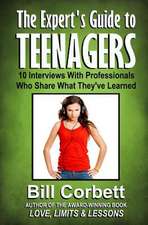 The Expert's Guide to TeenagersMR Bill CorbettPreț: 58.71 lei
 -
 Day Laughs Night CriesPeaches D. LedwidgePreț: 72.79 lei
 -
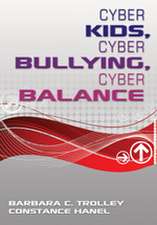 Cyber Kids, Cyber Bullying, Cyber BalanceBarbara C. TrolleyPreț: 282.32 lei
 -
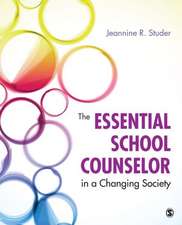 The Essential School Counselor in a Changing SocietyJeannine Studer-23%Preț: 1076.76 lei1398.38 lei
 -
 Treating Complex Trauma in Children and Their FamiliesCheryl B. Lanktree-11%Preț: 589.81 lei662.70 lei
 -
 THE IMPROBABLE JOURNEYKadmiel Van Der PuijePreț: 119.86 lei
 -
 FROM TEEN TO PALACEMarina AbrahamPreț: 111.65 lei
 -
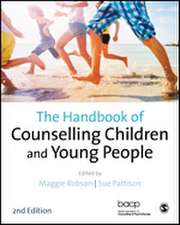 The Handbook of Counselling Children & Young PeopleMaggie Robson-5%Preț: 456.30 lei480.32 lei
 -
 The Nothing That I WantSegarra, J. a.Preț: 90.63 lei
Recenzii
“Finally,
a
book
FOR
school
counselors
that
specifically
addresses
the
needs
of
students
with
disabilities
and
how
we
can
interface
with
the
team
in
supporting
these
students.”
“McGinley and Trolley have brought together in one exceptional volume the vast material that modern school counselors often leave the classroom searching for – how to understand the complexities of the system in regards to students with special needs, how to best collaborate with professionals and families in meeting those needs, and how to best structure interventions and programs to move those students forward across social, emotional, and academic realms.”
“McGinley and Trolley have crafted a text that illuminates the multifaceted responsibilities of school counselors relevant to special education. Faculty, graduate students and practicing counselors alike will find the problem-based learning approach a helpful guide for integrating the content covered in this text into their professional practice.”
“Special education students are frequently the most marginalized group on school campuses.Working with Students with Disabilities: Preparing School Counselorspoints to ways school counselors can open pathways for creating a learning community that supports all students.”
“McGinley and Trolley have brought together in one exceptional volume the vast material that modern school counselors often leave the classroom searching for – how to understand the complexities of the system in regards to students with special needs, how to best collaborate with professionals and families in meeting those needs, and how to best structure interventions and programs to move those students forward across social, emotional, and academic realms.”
“McGinley and Trolley have crafted a text that illuminates the multifaceted responsibilities of school counselors relevant to special education. Faculty, graduate students and practicing counselors alike will find the problem-based learning approach a helpful guide for integrating the content covered in this text into their professional practice.”
“Special education students are frequently the most marginalized group on school campuses.Working with Students with Disabilities: Preparing School Counselorspoints to ways school counselors can open pathways for creating a learning community that supports all students.”
Cuprins
Section
I:
Foundation
Chapter I: Introduction - Haas & Reynolds Trolley
Person First Language
School Counselors Role in the Utilization of Appropriate Language and Dispelling Stereotypes By:
Attitudes and Biases Explored
Self-fulfilling Prophecies, Secondary Gains, and Learned Helplessness
Chapter II: Educational Initiatives and Professional Organization Standards - Edward Mainzer
Educational Initiatives
Common Core State Standards (CCSS)
Counseling Professional Organizations and Accreditation Standards
American Counseling Association (ACA)
National board for certified counselors (NBCC)
The Education Trust and National Office for School Counselor Advocacy (NOSCA)
American School Counselor Association (ASCA)
National Association for College Admission Counseling (NACAC)
Chapter III: Laws & Ethics - Vicki McGinley
Federal Laws and Legislation Relevant to Serving Students with Disabilities
The No Child Left Behind Act (NCLB)
Family Educational Rights and Privacy Acts (FERPA)
Americans with Disabilities Act (ADA)
Section II: Collaboration
Chapter IV: Partnership Communication, Cooperation & Advocacy - Karen Dickinson
Overview of Partnerships
Key Players in Effective Partnerships for Students with Disabilities
Purpose and Goals of Collaboration
Qualities of Effective Collaborators
Perspectives Toward and Interactions with Others
Perspectives Toward Self
Skills And Processes Necessary For Effective Partnerships
Establish the Mission and Ground Rules for Group Interaction
Group Problem-Solving Process
Roles of Team Members
Development of Specific Teaming Skills
Self-evaluation of Team Functioning on a Routine Basis
Consultative and Educational Approaches To Partnerships
Co-Teaching Approaches
Chapter V: Multidisciplinary Team Players & Process - Diana Lawrence-Brown
Players: Multidisciplinary Team
Process: Special Education
Additional Opportunities for Counselor Support
School Counselor Support: Transitioning from Early Intervention
School Counselor Support: K-12
Chapter VI: Home-School Collaboration - Dickinson & McGinley
Family Dynamics
Voices of Families
Sibling Impact
Home-School Collaboration
Overview
Working with Families
Working with School Educators/ Staff
Section III: Application
Chapter VII: ASCA Delivery Systems - Siuta & Silliker
Direct Student Services
School Counseling Core Curriculum
Academic domain school counseling core curriculum
Career domain school counseling core curriculum
Personal-social domain school counseling core curriculum
Individual Student Planning
Academic domain individual student planning
Career domain individual student planning
Personal-social domain individual student planning
Responsive Services
Indirect Student Services
Chapter VIII: Assessment, Evaluation and Plans - Dahir & Stone Shea
Assessments
Overview
Assessment Considerations
Assessment Types
Response to Intervention (RTI)
Individualized Education Plans (IEP) and 504 Plans
Goal Setting for Students in Special Education
Evaluation
MEASURE (s) of Accountability
Chapter IX: Inclusion Considerations - Domenico Cavaiuolo
Current Issues in Special Education
The Continuum of Education Concept
Nature of the Curriculum
Transition Out of Special Education
Strategies to Increase and Enhance Inclusion
Preparation of Students with Disabilities and Without
Specific Challenges for School Counselors in Working with Students in Special Education
Expectations
Communication
Attendance Issues
Health Impairments and Medical Concerns
Behavioral Issues
Interventions
Chapter X: Fundamentals of Transition - Donna Wandry
Definition of transitions
Horizontal and vertical transitions for all students
Horizontal (changing schools, changing teachers)
Vertical (grade-to-grade, ECE to K-12, middle School to high school, high school to college and/or career)
Additional horizontal and vertical transitions for students with disabilities
Challenges associated with transitions for students with disabilities
Counseling tasks associated with transitions for all students
CACREP and ASCA roles for all students
Additional or modified roles on behalf of students with disabilities
Team structures (evaluation, IEP)
7-12 planning documents (ILP, IEP, SOP)
Section IV: Cultural and Psycho-Social Issues
Chapter XI: Culturally Responsive Counseling & Collaboration - York Williams
An Overview of School Counselors’ Roles in Special Education
Students with Disabilities
School Counselors’ Related Roles Across Diverse Learning Needs
Families
Counseling to Improve Teaching and Learning
Communities
Culturally Responsive School Programming
Advocates
Chapter XII: Psycho-Social & Risk Considerations - Barbara Trolley
Overview of Psychosocial Responses to Disability
Risk Factors for Specific Psychosocial Problems
Resources
Chapter I: Introduction - Haas & Reynolds Trolley
Person First Language
School Counselors Role in the Utilization of Appropriate Language and Dispelling Stereotypes By:
Attitudes and Biases Explored
Self-fulfilling Prophecies, Secondary Gains, and Learned Helplessness
Chapter II: Educational Initiatives and Professional Organization Standards - Edward Mainzer
Educational Initiatives
Common Core State Standards (CCSS)
Counseling Professional Organizations and Accreditation Standards
American Counseling Association (ACA)
National board for certified counselors (NBCC)
The Education Trust and National Office for School Counselor Advocacy (NOSCA)
American School Counselor Association (ASCA)
National Association for College Admission Counseling (NACAC)
Chapter III: Laws & Ethics - Vicki McGinley
Federal Laws and Legislation Relevant to Serving Students with Disabilities
The No Child Left Behind Act (NCLB)
Family Educational Rights and Privacy Acts (FERPA)
Americans with Disabilities Act (ADA)
Section II: Collaboration
Chapter IV: Partnership Communication, Cooperation & Advocacy - Karen Dickinson
Overview of Partnerships
Key Players in Effective Partnerships for Students with Disabilities
Purpose and Goals of Collaboration
Qualities of Effective Collaborators
Perspectives Toward and Interactions with Others
Perspectives Toward Self
Skills And Processes Necessary For Effective Partnerships
Establish the Mission and Ground Rules for Group Interaction
Group Problem-Solving Process
Roles of Team Members
Development of Specific Teaming Skills
Self-evaluation of Team Functioning on a Routine Basis
Consultative and Educational Approaches To Partnerships
Co-Teaching Approaches
Chapter V: Multidisciplinary Team Players & Process - Diana Lawrence-Brown
Players: Multidisciplinary Team
Process: Special Education
Additional Opportunities for Counselor Support
School Counselor Support: Transitioning from Early Intervention
School Counselor Support: K-12
Chapter VI: Home-School Collaboration - Dickinson & McGinley
Family Dynamics
Voices of Families
Sibling Impact
Home-School Collaboration
Overview
Working with Families
Working with School Educators/ Staff
Section III: Application
Chapter VII: ASCA Delivery Systems - Siuta & Silliker
Direct Student Services
School Counseling Core Curriculum
Academic domain school counseling core curriculum
Career domain school counseling core curriculum
Personal-social domain school counseling core curriculum
Individual Student Planning
Academic domain individual student planning
Career domain individual student planning
Personal-social domain individual student planning
Responsive Services
Indirect Student Services
Chapter VIII: Assessment, Evaluation and Plans - Dahir & Stone Shea
Assessments
Overview
Assessment Considerations
Assessment Types
Response to Intervention (RTI)
Individualized Education Plans (IEP) and 504 Plans
Goal Setting for Students in Special Education
Evaluation
MEASURE (s) of Accountability
Chapter IX: Inclusion Considerations - Domenico Cavaiuolo
Current Issues in Special Education
The Continuum of Education Concept
Nature of the Curriculum
Transition Out of Special Education
Strategies to Increase and Enhance Inclusion
Preparation of Students with Disabilities and Without
Specific Challenges for School Counselors in Working with Students in Special Education
Expectations
Communication
Attendance Issues
Health Impairments and Medical Concerns
Behavioral Issues
Interventions
Chapter X: Fundamentals of Transition - Donna Wandry
Definition of transitions
Horizontal and vertical transitions for all students
Horizontal (changing schools, changing teachers)
Vertical (grade-to-grade, ECE to K-12, middle School to high school, high school to college and/or career)
Additional horizontal and vertical transitions for students with disabilities
Challenges associated with transitions for students with disabilities
Counseling tasks associated with transitions for all students
CACREP and ASCA roles for all students
Additional or modified roles on behalf of students with disabilities
Team structures (evaluation, IEP)
7-12 planning documents (ILP, IEP, SOP)
Section IV: Cultural and Psycho-Social Issues
Chapter XI: Culturally Responsive Counseling & Collaboration - York Williams
An Overview of School Counselors’ Roles in Special Education
Students with Disabilities
School Counselors’ Related Roles Across Diverse Learning Needs
Families
Counseling to Improve Teaching and Learning
Communities
Culturally Responsive School Programming
Advocates
Chapter XII: Psycho-Social & Risk Considerations - Barbara Trolley
Overview of Psychosocial Responses to Disability
Risk Factors for Specific Psychosocial Problems
Resources
Descriere
Working
with
Students
with
Disabilities:
Preparing
School
Counselors is
an
essential
tool
for
all
school
counselors
in
training
and
in
practice
with
the
aim
to
provide
a
comprehensive
approach
to
working
with
students
with
disabilities
in
a
school
setting.