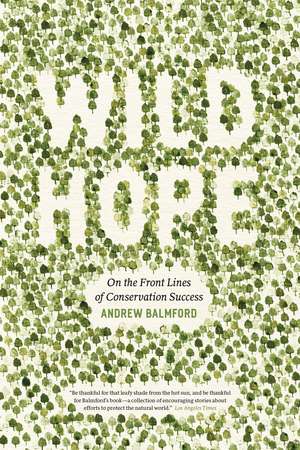
Wild Hope: On the Front Lines of Conservation Success
Autor Andrew Balmforden Limba Engleză Paperback – 7 oct 2014
În volumul Wild Hope, observăm o schimbare de paradigmă necesară în literatura ecologistă contemporană. Încă de la primele pagini, autorul propune o abordare marcată de interdisciplinaritate, demonstrând că biologia conservării nu poate fi separată de realitățile socio-economice și politice. Andrew Balmford nu se limitează la inventarierea speciilor pe cale de dispariție, ci explorează modul în care managementul resurselor naturale se intersectează cu economia forței de muncă în Africa de Sud sau cu drepturile de proprietate în Statele Unite.
Structura cărții este una geografică și progresivă, pornind de la capitolul simbolic „The Glass Half Empty” și culminând cu „The Glass Half Full”. Observăm cum autorul ne poartă prin zone de conflict ecologic transformate în modele de succes: de la protejarea rinocerului indian în Assam, unde colaborarea cu localnicii a fost cheia reușitei, până la proiectele de „rewilding” din Olanda. Această organizare episodică permite cititorului să înțeleagă că succesul în conservare nu este un accident, ci rezultatul unor strategii adaptate cultural și economic.
În contextul operei sale, Wild Hope reprezintă o evoluție de la rigoarea teoretică a lucrării Conservation in a Changing World, unde Andrew Balmford analiza prioritățile globale de conservare, către o viziune mult mai aplicată și optimistă. Dacă în lucrările anterioare accentul cădea pe identificarea declinului, aici accentul este pus pe mecanismele recuperării. Acoperă aceeași arie tematică precum Hope for Animals and Their World de Jane Goodall, dar cu o abordare mult mai tehnică și sistemică, trecând dincolo de poveștile individuale despre animale spre analiza politicilor publice și a stimulentelor corporative care fac conservarea sustenabilă pe termen lung.
Preț: 175.92 lei
Carte disponibilă
Livrare economică 16-30 noiembrie
Livrare express 30 octombrie-05 noiembrie pentru 26.63 lei
Specificații
ISBN-10: 0226036014
Pagini: 264
Ilustrații: 20 halftones
Dimensiuni: 152 x 229 x 20 mm
Greutate: 0.38 kg
Editura: University of Chicago Press
Colecția University of Chicago Press
V-ar putea interesa
-
 Preț: 214.44 lei
 -
 Oedipus the KingSophoclesPreț: 76.50 lei
 -
 Slayground: A Parker NovelRichard StarkPreț: 94.76 lei
 -
 Plunder Squad: A Parker NovelRichard StarkPreț: 95.37 lei
 -
 The Black Ice Score: A Parker NovelRichard StarkPreț: 98.83 lei
 -
 The Sour Lemon Score: A Parker NovelRichard StarkPreț: 95.73 lei
 -
 Ask Me AnythingFrancesca DelbancoPreț: 146.85 lei
 -
 How to Be a Man – Scences from a Protracted BoyhoodThomas BellerPreț: 130.40 lei
 -
 How to Read NietzscheKeith Ansell-PearsonPreț: 103.37 lei
 -
 Encarnacion's KitchenEncarnación PinedoPreț: 180.74 lei
 -
 Conservation in a Changing WorldGeorgina M. MacePreț: 446.73 lei
 -
 The Shadow of a Dream and An Imperative DutyWilliam Dean Howells-24%Preț: 365.69 lei482.99 lei
 -
 -20%Preț: 319.35 lei398.91 lei
 -
 Renewal of Worship: Caring for the People: A Resource GuideDonald W. Howard Jr.-34%Preț: 352.14 lei530.66 lei
 -
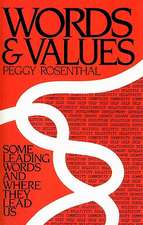 Words and Values: Some Leading Words and Where They Lead UsPeggy Rosenthal-24%Preț: 315.73 lei415.10 lei
 -
 -33%Preț: 357.26 lei532.64 lei
 -
 Radio: A Post Nine-Eleven Strategy for Reaching the World's PoorStephen Sposato-29%Preț: 345.60 lei484.00 lei
 -
 Creating EAD-Compatible Finding Guides on PaperElizabeth H. Dow-32%Preț: 407.36 lei597.76 lei
 -
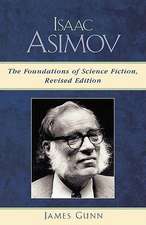 -32%Preț: 358.85 lei530.76 lei
 -
 -39%Preț: 648.37 lei1060.05 lei
 -
 -24%Preț: 349.97 lei460.43 lei
 -
 Danish Contributions to Classical Scholarship 1971-1991: A BibliographyFlemming Gorm Andersen-23%Preț: 192.41 lei250.19 lei
De ce să citești această carte
Recomandăm această carte oricărui cititor interesat de ecologie care dorește să depășească retorica dezastrului iminent. Veți câștiga o perspectivă avizată asupra modului în care știința, politica și comunitățile locale pot conlucra eficient. Este o lectură esențială pentru studenții la biologie și științe de mediu, oferind argumente pragmatice și modele de bune practici care demonstrează că refacerea ecosistemelor este posibilă chiar și pe o planetă suprapopulată.
Despre autor
Andrew Balmford este profesor de biologia conservării la Universitatea Cambridge, fiind una dintre vocile autoritare în domeniu la nivel mondial. Interesele sale de cercetare se concentrează pe identificarea zonelor prioritare pentru conservare și pe evaluarea costurilor și beneficiilor protejării naturii. Prin activitatea sa academică și prin cărți precum Conservation in a Changing World, Balmford a contribuit semnificativ la fundamentarea științifică a strategiilor de mediu, militând constant pentru o abordare care să integreze nevoile umane cu protecția biodiversității.
Descriere scurtă
Notă biografică
Cuprins
2. Guarding the Unicorn: Conservation at the Sharp End
3. Ending the Woodpecker Wars
4. Problem Plants, Politics, and Poverty
5. Rewilding Goes Dutch
6. Seeing the Good from the Trees
7. The Greening of a Giant
8. Fishing for a Future
9. The Glass Half Full
Appendix. Stemming the Loss (Or What We Can All Do to Save Nature)
References