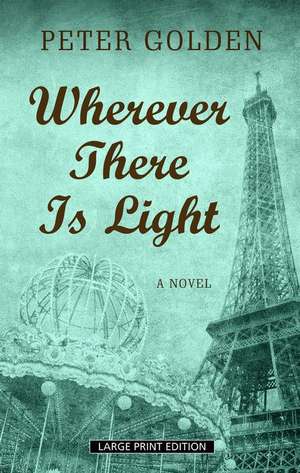
Wherever There Is Light
Autor Peter Goldenen Limba Engleză Hardback – 23 feb 2016
Julian Rose is only fifteen when he leaves his family and Germany for a new life in 1920s America. Lonely at first, he eventually finds his way first by joining up with Longy Zwillman and becoming one of the preeminent bootleggers on the East Coast, and later by amassing a fortune in real estate.
Kendall Wakefield is a free-spirited college senior who longs to become a painter. Her mother, the daughter of a slave and founder of an African-American college in South Florida, is determined to find a suitable match for her only daughter.
One evening in 1938, Mrs. Wakefield hosts a dinner that reunites Julian with his parents who have been rescued from Hitler s Germany by the college and brings him together with Kendall for the first time. From that encounter begins a thirty-year affair that will take the lovers from the beaches of Miami to the jazz clubs of Greenwich Village to postwar life in Paris, where they will mingle with Sartre, Picasso, and a host of other artists and intellectuals. Through his years serving in American intelligence and as an interrogator at the Nuremberg trials, what Julian wants most is to marry and find the joy that eluded his parents. Kendall craves her freedom, and after trading her oil paints for a Leica camera, becomes a celebrated photographer, among the first American journalists to photograph the survivors of a liberated concentration camp. Yet despite distance, their competing desires, and the rapidly changing world, their longing for each other remains a constant in the ceaseless sweep of time.
Captivating and infused with historical detail, this is the epic tale of three generations, two different but intertwined families, and one unforgettable love story."
Preț: 244.63 lei
Puncte Express: 367
Carte indisponibilă temporar
Doresc să fiu notificat când acest titlu va fi disponibil:
Se trimite...
Specificații
ISBN-13: 9781410486387
ISBN-10: 1410486389
Pagini: 648
Dimensiuni: 147 x 218 x 28 mm
Greutate: 0.61 kg
Ediția:Text mare
Editura: Thorndike Press Large Print
ISBN-10: 1410486389
Pagini: 648
Dimensiuni: 147 x 218 x 28 mm
Greutate: 0.61 kg
Ediția:Text mare
Editura: Thorndike Press Large Print
V-ar putea interesa
-
 The Pursuit of HappinessDouglas Kennedy-28%Preț: 69.35 lei95.96 lei
 -
 The Invisible BridgeJulie Orringer-27%Preț: 79.83 lei109.63 lei
 -
 -25%Preț: 86.41 lei115.98 lei
 -
 -25%Preț: 60.14 lei80.16 lei
 -
 Preț: 115.63 lei
 -
 Preț: 72.24 leiRecomandat
 -
 -24%Preț: 49.21 lei65.13 lei
 -
 -26%Preț: 52.68 lei71.31 lei
 -
 The Japanese LoverIsabel Allende-36%Preț: 36.85 lei57.92 lei
 -
 The Days I Loved You MostAmy Neff-25%Preț: 48.82 lei65.41 lei
 -
 33 Place Brugmann: The international bestsellerAlice Austen-29%Preț: 78.11 lei109.90 lei
 -
 -32%Preț: 50.15 lei73.39 lei
 -
 Air and LoveOr Rosenboim-40%Preț: 46.90 lei77.71 lei
 -
 Great CircleMaggie Shipstead-22%Preț: 63.67 lei82.02 lei
 -
 -25%Preț: 54.18 lei72.31 lei
 -
 Half LightMahesh RaoPreț: 134.70 lei
 -
 Her First AmericanLore Segal-17%Preț: 66.05 lei79.46 lei
Notă biografică
Peter Golden is an award-winning journalist, novelist, biographer, and historian. He lives outside Albany, New York, with his wife and son. He is the acclaimed author of the novels Comeback Love, Wherever There Is Light, and Nothing Is Forgotten.
Extras
Wherever There Is Light
SOUTH ORANGE, NEW JERSEY
DECEMBER 14, 1965
Julian Rose was about to have his life upended again, but he didn’t know it, not as he hurried through South Orange Village. The Christmas lights strung above the sidewalks and in the store windows transformed the snowflakes into sparks of red, green, yellow, and blue and emblazoned the crowds of shoppers with a pastel glow, which gave Julian the impression, as he walked toward Gruning’s Ice Cream Parlor, that the magic of the season had dropped him inside a painting.
Julian rarely missed an afternoon at Gruning’s after visiting the cemetery. He ordered a scoop of coffee chip with hot fudge and whipped cream. The bill always came to under two dollars, but he left a five-spot for a tip. Understandably, some waitresses hoped that he would take a different table instead of the one in back facing the doors. He never did. That was because Gruning’s was located between Columbia High School and South Orange Junior High, and by three thirty it was loaded with teenagers. Julian loved watching them burst through the doors in bright, noisy packs and imagining that his daughter, Holly, was among them. The kids would walk toward him, then turn up the stairs to a side room, and the blend of their voices, laughter, and the rock and roll they played on the jukebox soothed Julian in a way he found difficult to explain and impossible to give up. All he knew was that while Holly had been deprived of her future, these children would one day start families of their own, and that reality was enough to temper, for a blessed moment, his heartache.
When Julian finished his ice cream, he walked up front and stood in line at the register, which was behind the glass cases of homemade candies. A Negro woman with a maroon kerchief over her head and clutching a black pocketbook to her chest was talking to the cashier. Beside her was a slender brown stalk of a boy holding a battered valise. The Negro woman was speaking too softly for Julian to hear her, but he could hear the older couple ahead of him, a bald man in a Chesterfield topcoat and his blue-haired wife in a mink stole—three dead animals attached head to tail.
The man said, “Darling, do we really need to wait for chocolate cherries?”
“Yes,” she replied, turning and nodding back toward the Negro woman and the boy. “Don’t blame me. I didn’t know the candy stores closed in Newark.”
The most generous interpretation of her comment, Julian thought, was that she disliked waiting behind colored people. He wished the minks would spring to life and bite her. Since that was unlikely, he glared at the woman. In his younger days, Julian had been a regular at the Stork Club and other stops on Manhattan’s party circuit, and pictures of him, tall, broad-shouldered with dark, wavy hair alongside actresses and high-society girls in pursuit of pleasures unavailable at cotillions, filled the tabloids. More than one gossip columnist had noted that Julian had the rugged good looks and easy grace of a movie star, complete with a strong jawline and cleft chin. But clichés didn’t do justice to his presence or explain why people in general and women in particular frequently stared at him when he entered a room. His face seldom registered emotion, and it was his stillness, combined with his steady, blue-eyed gaze, that made him so magnetic and gave him a vaguely menacing air.
The woman didn’t seem taken with, or intimidated by, Julian. She glared back at him, obviously believing that she had nothing to fear from this overage Ivy Leaguer in a muddy-patterned tweed sport coat, a hideous pink shirt, and a silly tie dotted with red-and-white dice—the last gift his daughter had given him.
Swiveling around to see the object of his wife’s disdain, the bald man had a different reaction. Perhaps it was because someone had once pointed out Julian to him or because he remembered his picture from the newspapers and the stories he’d read about the prince of bootlegger royalty in Newark, the late Longy Zwillman’s boy wonder, who unlike Longy had dodged every government investigation and parlayed the lucre that sprouted in those illegal bottles of spirits into a real-estate empire.
“Let’s go,” the man said to his wife and pulled her toward the doors, the wife walking backward, keeping her angry eyes on Julian.
He ignored her and paid the cashier. The Negro woman and boy were gone, and he didn’t see them out on South Orange Avenue, where gas lamps shone in the snow-flecked light. Julian considered walking up a block to his broker’s office and saying hello to his money, but that bored him. Better to go home and read the Newark Evening News and watch a little TV.
“?’Scuse me, suh,” a woman said, and Julian looked down and saw the Negro woman shivering next to him in her raincoat. The hair visible under her kerchief was white and her face was as furrowed as a walnut shell. “You Mr. Julian Rose?”
Julian nodded, and the woman said, “I’m Lucinda Watkins. Friend of Kenni-Ann Wakefield. Y’all know Kenni-Ann?”
It was a shock hearing her name. “Kendall, yes. How is she?”
“Sorry to say, suh. She dead.”
The wind was blowing the snow against his face, but Julian couldn’t feel the cold. He heard himself say, “Dead?”
“Yes, suh. And she make me promise to come find you if somethin’ happen. I get change to call yoah house and the cleanin’ girl say y’all most likely be heah. A waitress tell me you jist left.”
“Where’s the boy?”
“He gettin’ a ice-cream cone.”
“Is he Kendall’s son?”
“Yes, suh. Bobby be Kenni-Ann’s son and . . .”
“And?” Julian asked.
“And he be yoah son too.”
Chapter 1
SOUTH ORANGE, NEW JERSEY
DECEMBER 14, 1965
Julian Rose was about to have his life upended again, but he didn’t know it, not as he hurried through South Orange Village. The Christmas lights strung above the sidewalks and in the store windows transformed the snowflakes into sparks of red, green, yellow, and blue and emblazoned the crowds of shoppers with a pastel glow, which gave Julian the impression, as he walked toward Gruning’s Ice Cream Parlor, that the magic of the season had dropped him inside a painting.
Julian rarely missed an afternoon at Gruning’s after visiting the cemetery. He ordered a scoop of coffee chip with hot fudge and whipped cream. The bill always came to under two dollars, but he left a five-spot for a tip. Understandably, some waitresses hoped that he would take a different table instead of the one in back facing the doors. He never did. That was because Gruning’s was located between Columbia High School and South Orange Junior High, and by three thirty it was loaded with teenagers. Julian loved watching them burst through the doors in bright, noisy packs and imagining that his daughter, Holly, was among them. The kids would walk toward him, then turn up the stairs to a side room, and the blend of their voices, laughter, and the rock and roll they played on the jukebox soothed Julian in a way he found difficult to explain and impossible to give up. All he knew was that while Holly had been deprived of her future, these children would one day start families of their own, and that reality was enough to temper, for a blessed moment, his heartache.
When Julian finished his ice cream, he walked up front and stood in line at the register, which was behind the glass cases of homemade candies. A Negro woman with a maroon kerchief over her head and clutching a black pocketbook to her chest was talking to the cashier. Beside her was a slender brown stalk of a boy holding a battered valise. The Negro woman was speaking too softly for Julian to hear her, but he could hear the older couple ahead of him, a bald man in a Chesterfield topcoat and his blue-haired wife in a mink stole—three dead animals attached head to tail.
The man said, “Darling, do we really need to wait for chocolate cherries?”
“Yes,” she replied, turning and nodding back toward the Negro woman and the boy. “Don’t blame me. I didn’t know the candy stores closed in Newark.”
The most generous interpretation of her comment, Julian thought, was that she disliked waiting behind colored people. He wished the minks would spring to life and bite her. Since that was unlikely, he glared at the woman. In his younger days, Julian had been a regular at the Stork Club and other stops on Manhattan’s party circuit, and pictures of him, tall, broad-shouldered with dark, wavy hair alongside actresses and high-society girls in pursuit of pleasures unavailable at cotillions, filled the tabloids. More than one gossip columnist had noted that Julian had the rugged good looks and easy grace of a movie star, complete with a strong jawline and cleft chin. But clichés didn’t do justice to his presence or explain why people in general and women in particular frequently stared at him when he entered a room. His face seldom registered emotion, and it was his stillness, combined with his steady, blue-eyed gaze, that made him so magnetic and gave him a vaguely menacing air.
The woman didn’t seem taken with, or intimidated by, Julian. She glared back at him, obviously believing that she had nothing to fear from this overage Ivy Leaguer in a muddy-patterned tweed sport coat, a hideous pink shirt, and a silly tie dotted with red-and-white dice—the last gift his daughter had given him.
Swiveling around to see the object of his wife’s disdain, the bald man had a different reaction. Perhaps it was because someone had once pointed out Julian to him or because he remembered his picture from the newspapers and the stories he’d read about the prince of bootlegger royalty in Newark, the late Longy Zwillman’s boy wonder, who unlike Longy had dodged every government investigation and parlayed the lucre that sprouted in those illegal bottles of spirits into a real-estate empire.
“Let’s go,” the man said to his wife and pulled her toward the doors, the wife walking backward, keeping her angry eyes on Julian.
He ignored her and paid the cashier. The Negro woman and boy were gone, and he didn’t see them out on South Orange Avenue, where gas lamps shone in the snow-flecked light. Julian considered walking up a block to his broker’s office and saying hello to his money, but that bored him. Better to go home and read the Newark Evening News and watch a little TV.
“?’Scuse me, suh,” a woman said, and Julian looked down and saw the Negro woman shivering next to him in her raincoat. The hair visible under her kerchief was white and her face was as furrowed as a walnut shell. “You Mr. Julian Rose?”
Julian nodded, and the woman said, “I’m Lucinda Watkins. Friend of Kenni-Ann Wakefield. Y’all know Kenni-Ann?”
It was a shock hearing her name. “Kendall, yes. How is she?”
“Sorry to say, suh. She dead.”
The wind was blowing the snow against his face, but Julian couldn’t feel the cold. He heard himself say, “Dead?”
“Yes, suh. And she make me promise to come find you if somethin’ happen. I get change to call yoah house and the cleanin’ girl say y’all most likely be heah. A waitress tell me you jist left.”
“Where’s the boy?”
“He gettin’ a ice-cream cone.”
“Is he Kendall’s son?”
“Yes, suh. Bobby be Kenni-Ann’s son and . . .”
“And?” Julian asked.
“And he be yoah son too.”
Recenzii
"[An] absorbing story…Golden knows how to pique our interest…vivid characters and strong storytelling.”
“Keenly detailed . . .compelling . . . Author Golden proves his stripes as a historian, detailing the lovers' brief bliss in prewar Greenwich Village, separating them for their individual battles during the war, and reuniting them in a skillfully evoked postwar Paris . . . The love story is epic and truly felt. In Kendall, Golden has created a fascinating, complex, and flawed heroine.”
“Each setting is re-created with a socially conscious eye, from the horrifying racism of the Jim Crow South to the Greenwich Village art scene to postwar Paris, whose residents’ emotional suffering hasn’t dimmed their appreciation for beauty. Julian and Kendall are independent, courageous people who grow over time, and their story feels undeniably romantic.”
“Using clear, clean prose, Golden brings emotional depth and passion to this story of forbidden love. A large cast of strong and well-defined characters, along with a colorful backdrop, allow Golden to create a clear portrait of the time and an epic story of love.”
"Illuminating! Wherever There is Light deftly shines light on the heartbreak of prejudice, the unbreakable ties of family and the enduring power of love. Peter Golden is uniquely qualified to write this sweeping and historically accurate novel."
"Like the photographs captured by its heroine, Wherever There is Light is a soul-stirring saga of dualities: joy and sorrow, darkness and a gleam of something bright, things in reach and things just beyond the frame. This impossible, yet inevitable love story grasps your heart and doesn’t let go."
“A uniquely American story of two unlikely lovers on disparate paths who struggle against mid-twentieth century racial and religious intolerance. Meticulously researched and beautifully written."
“What color is love? These words break our heart as Julian and Kendall spend decades attempting to reach across chasms of bigotry. Weaving histories of race and slavery in America, the Holocaust in Germany, and Paris after World War II, we hope against all odds for an ending of which we can be proud. Peter Golden has given us a gift of a book.”
INDIE NEXT NOMINATION: "Some of the most beautiful writing on Paris that I’ve ever read, and as a bonus you get to meet Picasso, Sartre, and de Beauvoir.I was bowled over by the fact that German-Jewish professors escaped Hitler by coming to teach at African-American schools. The novel moves from the Depression to the mid-1960s, through all of the great issues in American life—from Segregation through World II and the opening of the cold war. The love story of the main protagonists, Julian Rose, ex-bootlegger, real-estate developer, soldier, and interrogator at the Nuremberg trials, and Kendall Wakefield, granddaughter of a slave and a celebrated photographer who is among the first American journalists to photograph the survivors of a liberated concentration camp, covers thirty years and will both break your heart and give you hope. In fact, this is a good description of the entire novel. Heartbreaking and ennobling!"
“Keenly detailed . . .compelling . . . Author Golden proves his stripes as a historian, detailing the lovers' brief bliss in prewar Greenwich Village, separating them for their individual battles during the war, and reuniting them in a skillfully evoked postwar Paris . . . The love story is epic and truly felt. In Kendall, Golden has created a fascinating, complex, and flawed heroine.”
“Each setting is re-created with a socially conscious eye, from the horrifying racism of the Jim Crow South to the Greenwich Village art scene to postwar Paris, whose residents’ emotional suffering hasn’t dimmed their appreciation for beauty. Julian and Kendall are independent, courageous people who grow over time, and their story feels undeniably romantic.”
“Using clear, clean prose, Golden brings emotional depth and passion to this story of forbidden love. A large cast of strong and well-defined characters, along with a colorful backdrop, allow Golden to create a clear portrait of the time and an epic story of love.”
"Illuminating! Wherever There is Light deftly shines light on the heartbreak of prejudice, the unbreakable ties of family and the enduring power of love. Peter Golden is uniquely qualified to write this sweeping and historically accurate novel."
"Like the photographs captured by its heroine, Wherever There is Light is a soul-stirring saga of dualities: joy and sorrow, darkness and a gleam of something bright, things in reach and things just beyond the frame. This impossible, yet inevitable love story grasps your heart and doesn’t let go."
“A uniquely American story of two unlikely lovers on disparate paths who struggle against mid-twentieth century racial and religious intolerance. Meticulously researched and beautifully written."
“What color is love? These words break our heart as Julian and Kendall spend decades attempting to reach across chasms of bigotry. Weaving histories of race and slavery in America, the Holocaust in Germany, and Paris after World War II, we hope against all odds for an ending of which we can be proud. Peter Golden has given us a gift of a book.”
INDIE NEXT NOMINATION: "Some of the most beautiful writing on Paris that I’ve ever read, and as a bonus you get to meet Picasso, Sartre, and de Beauvoir.I was bowled over by the fact that German-Jewish professors escaped Hitler by coming to teach at African-American schools. The novel moves from the Depression to the mid-1960s, through all of the great issues in American life—from Segregation through World II and the opening of the cold war. The love story of the main protagonists, Julian Rose, ex-bootlegger, real-estate developer, soldier, and interrogator at the Nuremberg trials, and Kendall Wakefield, granddaughter of a slave and a celebrated photographer who is among the first American journalists to photograph the survivors of a liberated concentration camp, covers thirty years and will both break your heart and give you hope. In fact, this is a good description of the entire novel. Heartbreaking and ennobling!"
Descriere
Descriere de la o altă ediție sau format:
A sweeping tale of forbidden romance, set against the backdrop of the segregated American South, war-torn Europe, and the civil unrest of the '60's.