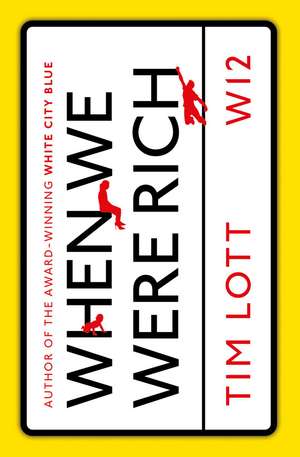
When We Were Rich
Autor Tim Lotten Limba Engleză Paperback – 16 apr 2020
Remarcăm, încă de la primele pagini, un ritm stratificat, care pulsează în cadența unei epoci marcate de exces și optimism fragil. When We Were Rich nu este doar o cronică a Londrei de la începutul mileniului, ci o examinare atentă a modului în care timpul erodează certitudinile. Tim Lott își readuce în scenă personajele din volumul său de debut, plasându-le în mijlocul unei efervescențe economice ce pare nesfârșită, dar care poartă în sine semințele propriei prăbușiri.
Subliniem finețea cu care autorul construiește acest tablou social: de pe un acoperiș din Londra, unde șase prieteni privesc artificiile anului 2000, până la realitatea dură a creditelor ieftine și a ascensiunii rețelelor sociale. Frankie Blue, acum agent imobiliar, devine simbolul unei generații care a confundat prosperitatea materială cu stabilitatea emoțională. Pe același raft cu We Had It So Good de Linda Grant, această lucrare se distinge prin modul în care împletește satira tăioasă cu o tandrețe neașteptată față de defectele personajelor sale, în special în ceea ce privește explorarea masculinității.
În contextul operei sale, Tim Lott continuă să rafineze temele din Does God Make Radiators?, pendulând între observația socială acidă și introspecția psihologică. Dacă în lucrările anterioare se concentra pe micro-universul familiei sau al paternității, aici extinde lentila asupra unei întregi decade. Rezultatul este un roman de o onestitate brutală, care reușește să fie simultan amuzant și melancolic, capturând acel „timp de aur” care pentru mulți s-a transformat într-un coșmar economic.
Preț: 65.18 lei
Carte disponibilă
Livrare economică 31 octombrie-14 noiembrie
Livrare express 20-24 octombrie pentru 23.96 lei
Specificații
ISBN-10: 1471161587
Pagini: 432
Dimensiuni: 130 x 198 x 26 mm
Greutate: 0.3 kg
Editura: SCRIBNER UK
Colecția Scribner UK
V-ar putea interesa
-
 The Scent of Dried RosesTim Lott-51%Preț: 57.74 lei118.80 lei
 -
 The Stepchild: ANGALIYATJoseph MacwanPreț: 151.89 lei
 -
 Preț: 103.13 lei
 -
 Here's One I Made EarlierGreg Ruprecht WithnailPreț: 85.35 lei
 -
 The Twisted PatriotPirate IrwinPreț: 362.37 lei
 -
 Mein Tanz mit Vampiren MEXICO 1971-72Peter Detlev KirmssePreț: 137.35 lei
 -
 AgamemnonHoward ColyerPreț: 85.19 lei
 -
 Il Liuto Ed Il Silenzio. La Parabola Discendente Di Antonio Della PortaGiorgio PannunzioPreț: 208.32 lei
 -
 O Segundo FulgorRui Miguel SaramagoPreț: 140.68 lei
 -
 Plaudereien mit einer GlastanzdieleSiegfried GränitzPreț: 77.94 lei
 -
 Mary Tudor and the Lost KingdomRobert NevillePreț: 121.02 lei
 -
 Zitroen VXZvxPreț: 77.18 lei
 -
 Now We Are ForgivenTim Lott-20%Preț: 57.53 lei71.50 lei
 -
 The Stall of Second ChancesDana Bate-24%Preț: 44.39 lei58.37 lei
 -
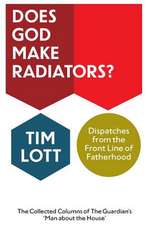 Does God Make Radiators?Tim LottPreț: 55.82 lei
 -
 Lott, T: Yes! No! but Wait...!Tim LottPreț: 105.56 lei
De ce să citești această carte
Recomandăm această carte cititorilor care apreciază proza britanică contemporană și analizele sociale lucide. Este o lectură esențială pentru cei care vor să înțeleagă cum s-a schimbat lumea la trecerea dintre milenii, oferind o perspectivă profundă asupra prieteniei și a modului în care marile evenimente politice ne modelează destinele personale. Câștigați o cronică vibrantă a unei ere transformatoare, scrisă cu umor și empatie.
Descriere scurtă
‘A sharp and very funny portrait of a brash era which is also a surprisingly tender take on flawed masculinity.’ Sarah Hughes, i paper
‘What a terrific novel - wickedly sharp, wildly entertaining - I was gripped from start to finish. With its twisty plots and interwoven characters it paints a vivid portrait of a crucial decade. It's laugh-out-loud funny, too. And with property porn thrown in, what's not to like’ Deborah Moggach
Millennium Eve and six people gather on a London rooftop. Recently married, Frankie Blue watches with his wife, Veronica, as the sky above the Thames explodes into a kaleidoscope of light. His childhood companion, Colin, ineptly flirts with Roxy, an unlikely first date, while another old friend, Nodge, newly ‘out’, hides his insecurities from his waspish boyfriend.
New Labour are at their zenith. The economy booms, awash with cheap credit. The arrival of the smartphone heralds the sudden and vast expansion of social media. Mass immigration from Eastern Europe leave many unsettled while religious extremism threatens violent conflict.
An estate agent in a property boom, Frankie is focused simply on getting rich. But can he survive the coming crash? And what will become of his friends - and his marriage - as they are scoured by the winds of change?
When We Were Rich finds the characters introduced in Tim Lott's award-winning 1999 debut, White City Blue, struggling to make sense of a new era. Sad, shocking and often hilarious, it is an acutely observed novel of all our lives, set during what was for some a golden time - and for others a nightmare, from which we are yet to wake up.
‘Wickedly funny and deeply humane. I loved this book’ Sadie Jones
‘Tim Lott revisits the years between millennium fever and the financial crisis, and brings this already long-lost era back to life in a novel every bit as evocative and compelling as we would expect from this prodigiously gifted author’ Jonathan Coe
Praise for The Last Summer of the Water Strider:
'I was very moved by The Last Summer of the Water Strider, which is both exquisitely specific to time and place and universal in its examination of humanity, grief and the bizarre prisons that people build for themselves - and one another. Funny, fascinating, mysterious and provocative' Sadie Jones, author of The Outcast
'Great storytelling and superb characterisation. Very few writers can evoke quintessential Englishness in its myriad forms like Tim Lott. I loved it' Irvine Welsh
'Lott is excellent when it comes to the psychology of a grieving adolescent' Observer
Notă biografică
Recenzii
‘What a terrific novel – wickedly sharp, wildly entertaining – I was gripped from start to finish. With its twisty plots and interwoven characters it paints a vivid portrait of a crucial decade. It's laugh-out-loud funny, too. And with property porn thrown in, what's not to like’
‘Wickedly funny and deeply humane. I loved this book’
‘Tim Lott revisits the years between millennium fever and the financial crisis, and brings this already long-lost era back to life in a novel every bit as evocative and compelling as we would expect from this prodigiously gifted author’
‘Lott delivers many hilarious and sad scenes of life in a long-term relationship. He also explores the poignancy and fragility of male friendships, in a manner reminiscent of Graham Swift’s Last Orders. . . [He is,] crucially, careful to linger over moral difficulty and vulnerability rather than evading it’
‘Lott’s carefully observed period piece captures the mood of an era that now seems like a lost world’