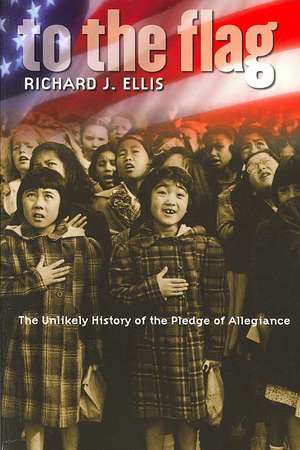
To the Flag: The Unlikely History of the Pledge of Allegiance
Autor Richard J. Ellisen Limba Engleză Paperback – 31 mar 2005
Vezi toate premiile Carte premiată
În literatura academică dedicată identității americane, lipsea până recent o examinare critică și exhaustivă a mecanismelor prin care un simplu ritual școlar a devenit un pilon al „religiei civile”. Subliniem faptul că To the Flag completează această lacună, oferind o istorie riguroasă a Jurământului de Credință (Pledge of Allegiance), de la geneza sa în 1892 sub semnătura lui Richard J. Ellis până la controversele juridice moderne. Descoperim aici o analiză fină a contextelor de anxietate națională care au modelat textul, de la eforturile de americanizare a imigranților de la începutul secolului XX, până la redefinirea sa ca barieră ideologică împotriva comunismului în perioada Războiului Rece.
Autorul, distins cu Langum Prize for Historical Literature pentru această lucrare, investighează cum termeni precum „indivizibil” sau „libertate” au fost încărcați cu semnificații post-Război Civil, dar și cum practicile de salut s-au schimbat pentru a evita asocierile nefericite cu regimurile totalitare europene. Găsim în această carte o documentare metodică a momentelor cheie, inclusiv Conferința Națională a Steagului din 1923, oferind o perspectivă mult mai nuanțată decât ghidurile de etichetă sau manualele școlare. Comparabil cu The American Flag în rigurozitate, volumul lui Ellis este însă actualizat pentru a include dezbaterile contemporane privind secularismul și obiecțiile aduse de comunitatea atee, depășind simpla prezentare a simbolisticii pentru a chestiona însăși esența conformismului civic în Statele Unite.
Preț: 287.63 lei
Carte disponibilă
Livrare economică 09-23 noiembrie
Specificații
ISBN-10: 0700615210
Pagini: 297
Dimensiuni: 158 x 231 x 16 mm
Greutate: 0.45 kg
Editura: University Press of Kansas
V-ar putea interesa
-
 American Political CulturesRichard J. Ellis-11%Preț: 366.70 lei414.11 lei
 -
 -29%Preț: 709.61 lei1004.75 lei
 -
 -21%Preț: 307.47 lei389.18 lei
 -
 -18%Preț: 1120.40 lei1366.34 lei
 -
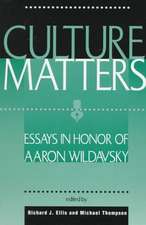 Culture Matters: Essays In Honor Of Aaron WildavskyRichard J. Ellis-15%Preț: 436.31 lei513.30 lei
 -
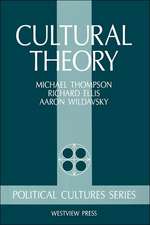 Cultural TheoryMichael Thompson-15%Preț: 436.06 lei513.02 lei
 -
 -8%Preț: 612.98 lei666.28 lei
De ce să citești această carte
Recomandăm această carte studenților la științe politice și istorie americană care doresc să înțeleagă cum se construiește identitatea națională prin ritual. Cititorul câștigă o perspectivă istorică documentată asupra unui simbol adesea interpretat doar emoțional. Este un studiu esențial despre modul în care patriotismul poate fi utilizat atât ca element de coeziune, cât și ca instrument de reducere la tăcere a disidenței, oferind o fereastră rară către „sufletul american”.
Descriere
Premii
- Langum Prize for Historical Literature Winner, 2005