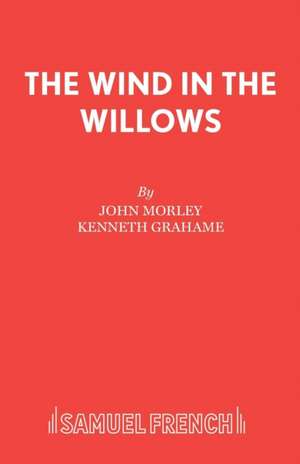
The Wind in the Willows: Acting Edition S.
Autor John Morleyen Limba Engleză Paperback – 31 iul 2017
Din seria Acting Edition S.
-
 Preț: 96.27 lei
 -
 Preț: 105.46 lei
 -
 Preț: 99.83 lei
 -
 Preț: 87.10 lei
 -
 Preț: 87.14 lei
 -
 Preț: 101.30 lei
 -
 Preț: 96.25 lei
 -
 Preț: 87.41 lei
 -
 Preț: 99.99 lei
 -
 Preț: 102.76 lei
 -
 Preț: 96.28 lei
 -
 Preț: 100.17 lei
 -
 Preț: 102.41 lei
 -
 Preț: 102.24 lei
 -
 Preț: 103.74 lei
 -
 Preț: 103.50 lei
 -
 Preț: 102.76 lei
 -
 Preț: 102.41 lei
 -
 Preț: 102.76 lei
 -
 Preț: 109.45 lei
 -
 Preț: 102.41 lei
 -
 Preț: 103.72 lei
 -
 Preț: 109.08 lei
 -
 Preț: 103.87 lei
 -
 Preț: 102.41 lei
 -
 Preț: 103.50 lei
 -
 Preț: 102.96 lei
 -
 Preț: 101.86 lei
 -
 Preț: 127.01 lei
 -
 Preț: 103.34 lei
 -
 Preț: 86.55 lei
 -
 Preț: 126.43 lei
 -
 Preț: 103.14 lei
 -
 Preț: 86.55 lei
 -
 Preț: 102.03 lei
 -
 Preț: 103.34 lei
 -
 Preț: 162.47 lei
 - 22%
 Preț: 82.03 lei
 -
 Preț: 95.97 lei
 -
 Preț: 127.94 lei
 -
 Preț: 102.96 lei
 -
 Preț: 127.01 lei
 -
 Preț: 109.17 lei
 -
 Preț: 87.68 lei
 -
 Preț: 103.50 lei
 -
 Preț: 104.27 lei
 -
 Preț: 102.61 lei
 -
 Preț: 102.41 lei
 -
 Preț: 102.03 lei
 -
 Preț: 99.90 lei
Preț: 102.96 lei
Puncte Express: 154
Carte tipărită la comandă
Livrare economică 27 noiembrie-11 decembrie
Livrare prin curier în România Termenul estimat este afișat lângă disponibilitate.
Transport gratuit de la 400.00 lei Plată online sau ramburs, în funcție de opțiunile comenzii.
Retur gratuit în 14 zile Comandă securizată și suport în română.
Specificații
ISBN-13: 9780573050732
ISBN-10: 0573050732
Pagini: 78
Dimensiuni: 140 x 216 x 5 mm
Greutate: 0.1 kg
Editura: Samuel French Ltd
Seria Acting Edition S.
ISBN-10: 0573050732
Pagini: 78
Dimensiuni: 140 x 216 x 5 mm
Greutate: 0.1 kg
Editura: Samuel French Ltd
Seria Acting Edition S.
Notă biografică
JOHN MORLEY Born on December 24, 1838, John Morley was the 1st Viscount Morley of Blackburn, OM, PC, FRS, FBA. He died on September 23, 1923, and was a British Liberal politician, author, and newspaper editor. He started out as a reporter in the North of England and then became editor of the newly liberal Pall Mall Gazette from 1880 to 1883. In 1883, he was chosen as a Liberal Party Member of Parliament (MP). In 1886, 1892, and 1895, he was Chief Secretary for Ireland. From 1905 to 1910 and again in 1911, he was Secretary of State for India. From 1910 to 1914, he was Lord President of the Council. Morley was a well-known political analyst and wrote a biography of William Gladstone, who was his hero. His works and "reputation as the last of the great nineteenth-century Liberals" made Morley famous. He was against the Second Boer War and empire. He believed that Ireland should have Home Rule. He quit the government in August 1914 because he didn't want Britain to join the First World War as a Russian friend.