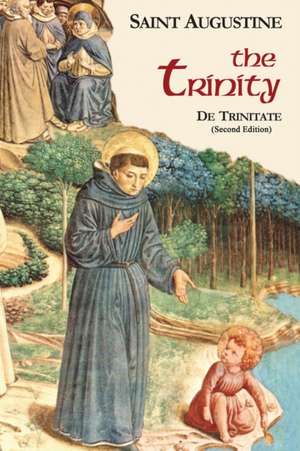
The Trinity: Works of Saint Augustine
Autor Saint Augustine Traducere de Tieman Dippleen Limba Engleză Paperback – 29 feb 2012
Structura și metodologia lucrării The Trinity reflectă parcursul intelectual și spiritual al autorului, fiind organizată riguros în două părți distincte. Descoperim aici o primă secțiune, cuprinzând primele șapte cărți, dedicată exegezei biblice; Saint Augustine cercetează Scripturile Vechiului și Noului Testament pentru a identifica fundamentele doctrinei trinitare, utilizând ulterior instrumentele filosofiei și logicii pentru a respinge argumentele arienilor. Remarcăm o tranziție metodologică în ultimele opt cărți, unde autorul explorează misterul divin prin prisma analogiei cu mintea umană, văzută ca imagine a lui Dumnezeu. Această abordare nu este doar teologică, ci propune și un program de autoreflexie și înnoire spirituală.
Ediția a doua, publicată de New City Press în seria Works of Saint Augustine, aduce îmbunătățiri practice esențiale pentru studiul universitar, cea mai notabilă fiind înlocuirea notelor de final cu note de subsol, ceea ce fluidizează procesul de consultare a referințelor. Din punct de vedere al conținutului, lucrarea este comparabilă cu Theology of Augustine de Matthew Levering în rigurozitate, dar The Trinity se diferențiază prin faptul că este un text primar, oferind acces direct la procesul de gândire al sfântului, spre deosebire de sintezele contemporane. Față de The Confessions of St. Augustine, care adoptă o perspectivă autobiografică și narativă, acest volum este un tratat sistematic ce pune bazele teologiei dogmatice occidentale, fiind fundamental pentru înțelegerea conceptului de persoană și a filosofiei minții.
Din seria Works of Saint Augustine
-
 Preț: 208.13 lei
 -
 Preț: 351.63 lei
 -
 Preț: 261.06 lei
 -
 Preț: 263.78 lei
 -
 Preț: 244.18 lei
 -
 Preț: 260.43 lei
 - 15%
 Preț: 633.88 lei
 -
 Preț: 354.93 lei
 - 8%
 Preț: 391.45 lei
 -
 Preț: 374.38 lei
 - 8%
 Preț: 484.99 lei
 - 8%
 Preț: 389.14 lei
 -
 Preț: 492.73 lei
 - 8%
 Preț: 433.31 lei
 - 8%
 Preț: 430.97 lei
 - 8%
 Preț: 436.05 lei
 - 8%
 Preț: 439.10 lei
 -
 Preț: 372.88 lei
 -
 Preț: 324.01 lei
 - 8%
 Preț: 435.52 lei
 - 15%
 Preț: 520.31 lei
 -
 Preț: 381.73 lei
 -
 Preț: 380.29 lei
 -
 Preț: 323.48 lei
 -
 Preț: 373.06 lei
 -
 Preț: 373.06 lei
 -
 Preț: 370.56 lei
 -
 Preț: 371.39 lei
Preț: 303.93 lei
Carte tipărită la comandă
Livrare economică 01-15 iulie
Specificații
ISBN-10: 1565484460
Pagini: 471
Dimensiuni: 148 x 238 x 26 mm
Greutate: 1.07 kg
Ediția:Revised
Editura: New City Press
Seria Works of Saint Augustine
V-ar putea interesa
-
 Confessions of a SinnerSaint Augustine-22%Preț: 43.51 lei55.68 lei
 -
 -9%Preț: 371.25 lei406.80 lei
 -
 BENEATH THE MASK OF HOLINESSMark ShawPreț: 202.39 lei
 -
 Living JesusJohn PritchardPreț: 82.12 lei
 -
 Seven: The Deadly Sins and the BeatitudesJeff V. CookPreț: 101.62 lei
 -
 Preț: 107.18 lei
 -
 A Political History of Early ChristianityAllen Brent-12%Preț: 312.17 lei355.14 lei
 -
 Chesterton and Tolkien as TheologiansRev'd Canon Professor Alison MilbankPreț: 262.84 lei
 -
 Can Evangelicals Learn from World Religions?Gerald R. McdermottPreț: 172.34 lei
 -
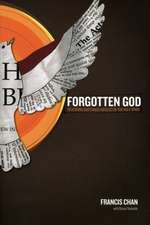 Forgotten GodFrancis ChanPreț: 93.41 lei
 -
 Letters from A SkepticGregory A. BoydPreț: 99.99 lei
 -
 On Human BeingOlivier ClementPreț: 109.12 lei
 -
 Death and AfterlifeTerence NicholsPreț: 145.50 lei
De ce să citești această carte
Această ediție a lucrării The Trinity este indispensabilă studenților în teologie și istoria filosofiei. Cititorul câștigă o înțelegere profundă a fundamentelor creștine, beneficiind de un aparat critic îmbunătățit prin note de subsol accesibile. Este o oportunitate de a parcurge un text care a definit gândirea europeană, oferind un echilibru între cercetarea scripturistică și analiza filosofică a conștiinței umane.
Despre autor
Saint Augustine din Hippo (354–430 d.Hr.) a fost unul dintre cei mai influenți teologi și filosofi ai antichității târzii, a cărui operă a modelat decisiv creștinismul occidental și filosofia europeană. Episcop de Hippo Regius în Africa Romană, el a sintetizat tradiția biblică cu moștenirea filosofică neoplatonică. Lucrările sale, precum The Trinity, demonstrează o capacitate analitică excepțională, abordând teme complexe precum natura timpului, liberul arbitru și structura trinitară a divinității. Opera sa rămâne un punct de referință atât în dogmatică, cât și în dezvoltarea conceptului modern de introspecție și subiectivitate.