Cantitate/Preț
Produs

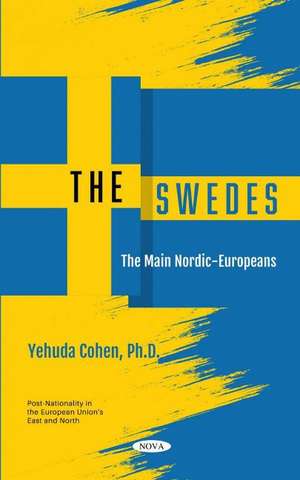
The Swedes: The Main Nordic-Europeans

Autor Yehuda Cohen Ph.D.
en Limba Engleză Hardback – 24 mar 2021

Descoperim în The Swedes o analiză riguroasă a mecanismelor care au transformat o societate de țărani liberi într-un pilon al stabilității europene moderne. Aplicabilitatea practică a acestui volum rezidă în capacitatea autorului Yehuda Cohen Ph.D. de a explica modul în care constrângerile economice — precum solul puțin fertil care a împiedicat formarea feudalismului clasic — au modelat timpuriu un spirit de independență și o structură politică participativă unică în Europa. Considerăm că această lucrare depășește granițele unei simple cronologii, oferind o perspectivă sociopolitică asupra modului în care identitatea națională este construită prin conflict, dar mai ales prin recunoașterea limitelor resurselor proprii.

Structura cărții urmărește o progresie logică, debutând cu rădăcinile medievale și ascensiunea Suediei ca mare putere sub Gustav Adolf, pentru ca apoi să dedice spațiu amplu „Epocii de Aur” și declinului care a forțat adoptarea neutralității. Cititorii familiarizați cu A Concise History of Sweden de Neil Kent vor aprecia în acest volum focalizarea specifică pe conceptul de „esență națională” și pe tranziția psihologică de la neutralitatea defensivă la confortul integrării în Uniunea Europeană. Spre deosebire de Warrior Kings of Sweden, care se concentrează pe succesele militare, The Swedes pune accent pe „lecțiile istorice” care au convins această națiune să renunțe la politica izolată în favoarea unui model de bunăstare socială integrat global. Găsim aici un portret detaliat al modului în care valorile de libertate și inițiativă au supraviețuit schimbărilor de regim, de la regii războinici la birocrația eficientă din Stockholm.

Citește tot Restrânge

Preț: 124885 lei

Preț vechi: 145215 lei
-14%

Puncte Express: 1873

Carte disponibilă

Livrare economică 13-27 mai


Specificații

ISBN-13: 9781536192131
ISBN-10: 1536192139
Pagini: 206
Dimensiuni: 152 x 229 mm
Greutate: 0.57 kg
Editura: Nova Science Publishers Inc
Colecția Nova Science Publishers Inc
Locul publicării:United States

De ce să citești această carte

Această lucrare este esențială pentru studenții la științe politice și sociologie care doresc să înțeleagă „modelul suedez” dincolo de clișee. Cititorul câștigă o perspectivă clară asupra modului în care neutralitatea a devenit dintr-o necesitate strategică un element central al identității de stat. Este o resursă valoroasă pentru a înțelege de ce Suedia a ales integrarea europeană ca mecanism de conservare a valorilor sale fundamentale într-o lume globalizată.


Descriere

The Swedes did not have a real feudal system, since their lands were not fertile enough for the peasants to spare more than a small portion of their crops in order to maintain the wellbeing of the nobility. Swedish peasants were mostly free and, in 1434, gained real political status. In 1471 a dispute occurred in Sweden and peasants and citizens, led by a nobleman from Stockholm named Sten Sture, who desired a separate Swedish state. Sture and his comrades won the battle. Sture became a hero in the Swedish collective memory, ruled Sweden, and fought successfully against the Russians. In 1520 King Christian II of Denmark defeated and killed the Swedish King Sten Sture den Yngre (the Younger) and became king of Sweden, but the Swedish army, led by a nobleman named Gustav Vasa, drove Christian II from Sweden in 1523. At the time, the vast majority of Swedish lands were owned by peasants. Vasa and his descendants, who ruled the country and waged war on the Baltic shores and into European soil, gave the Swedish nobility and wealthy individuals a political status. These kings relied on the multiple wars' outcomes to further their national enterprise and develop a Swedish national identity among strata of the wider population. That spirit of nationality, together with the cherished Swedish values of freedom and enterprise, enabled a successful campaign by King Gustavus Adolphus and his prime minister between 1626 and 1648. Yet after that war, when Sweden was accepted as a major European power, the Swedes understood that their resources would not allow them to play a central role in any future conflict, and they began to pursue a course of neutrality that continued throughout the two World Wars. During the years of Europe's consolidation, the historical lessons learned by the Swedes culminated in a realization that they could not maintain an independent role in European "jungle politics" and that their attempts at neutrality could even prove dangerous. After much hesitation, they jumped into the European "swimming pool" and have remained floating there quite comfortably. The Swedes feel comfortable within the EU and would prefer to stay there in the future, adapting to the notion of a European nationality.

Cuprins

Preface; Acknowledgments; Introduction; Before the Middle Ages; The Middle Ages in Sweden (1100-1500 AD); Modernism and Signs of National Cohesion in the 16th Century; Age of Greatness: Sweden as a European Power; Rocking in a Loss of Way (1648-1810); The Swedes and Their Neutrality as a Means for the Preservation of Their National Essence (1810-1945); European and Global Integration and Swedish Nationality While Building a Welfare State; Concluding Remarks Regarding the Identity and Essence of the Swedes and Their Nationality; References; About the Author; Index.