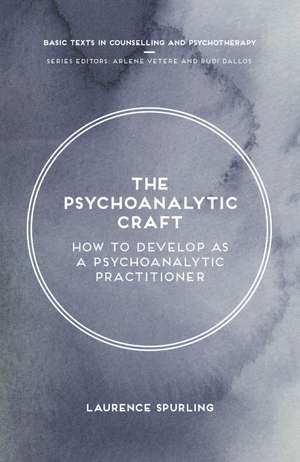
The Psychoanalytic Craft: How to Develop as a Psychoanalytic Practitioner: Basic Texts in Counselling and Psychotherapy
Autor Laurence Spurlingen Limba Engleză Paperback – 17 aug 2015
The text shows how these features of clinical thinking, which normally operate below the level of awareness, can be identified and explored in clinical practice, in supervision and in teaching. This clear and vividly written book addresses the needs of practitioners and trainees moving beyond beginner level to more skilled and attuned practice.
Din seria Basic Texts in Counselling and Psychotherapy
- 20%
 Preț: 228.99 lei
 - 5%
 Preț: 256.61 lei
 - 5%
 Preț: 254.94 lei
 - 5%
 Preț: 255.99 lei
 - 25%
 Preț: 235.34 lei
 - 5%
 Preț: 255.07 lei
 - 27%
 Preț: 254.87 lei
 - 5%
 Preț: 254.68 lei
 -
 Preț: 269.57 lei
 - 18%
 Preț: 256.58 lei
 - 19%
 Preț: 269.08 lei
 - 29%
 Preț: 255.33 lei
 -
 Preț: 268.58 lei
 - 27%
 Preț: 234.45 lei
 - 5%
 Preț: 255.44 lei
 - 5%
 Preț: 262.00 lei
 - 5%
 Preț: 254.87 lei
 - 5%
 Preț: 254.31 lei
 - 29%
 Preț: 236.32 lei
 - 5%
 Preț: 243.32 lei
 - 21%
 Preț: 269.08 lei
 - 20%
 Preț: 242.27 lei
 - 23%
 Preț: 254.87 lei
 - 27%
 Preț: 254.94 lei
 - 5%
 Preț: 242.66 lei
 - 24%
 Preț: 261.43 lei
 - 5%
 Preț: 240.06 lei
 - 5%
 Preț: 242.10 lei
 - 5%
 Preț: 240.93 lei
 -
 Preț: 246.94 lei
Preț: 254.91 lei
Preț vechi: 318.53 lei
-20%
Puncte Express: 382
Carte tipărită la comandă
Livrare economică 03-17 decembrie
Livrare prin curier în România Termenul estimat este afișat lângă disponibilitate.
Transport gratuit de la 400.00 lei Plată online sau ramburs, în funcție de opțiunile comenzii.
Retur gratuit în 14 zile Comandă securizată și suport în română.
Specificații
ISBN-13: 9781137377104
ISBN-10: 1137377100
Pagini: 230
Ilustrații: 6 b/w tables, 1 figures
Dimensiuni: 134 x 214 x 14 mm
Greutate: 0.3 kg
Ediția:1st ed. 2015
Editura: Bloomsbury Publishing
Colecția Bloomsbury Academic
Seria Basic Texts in Counselling and Psychotherapy
Locul publicării:London, United Kingdom
ISBN-10: 1137377100
Pagini: 230
Ilustrații: 6 b/w tables, 1 figures
Dimensiuni: 134 x 214 x 14 mm
Greutate: 0.3 kg
Ediția:1st ed. 2015
Editura: Bloomsbury Publishing
Colecția Bloomsbury Academic
Seria Basic Texts in Counselling and Psychotherapy
Locul publicării:London, United Kingdom
V-ar putea interesa
-
 The Trauma TherapiesJohn Marzillier-21%Preț: 438.49 lei552.66 lei
 -
 -5%Preț: 265.02 lei278.98 lei
 -
 The Trouble with Psychotherapy: Counselling and Common SenseCampbell Purton-28%Preț: 243.07 lei337.54 lei
 -
 -25%Preț: 242.66 lei321.52 lei
 -
 Psychodynamic Theory for Therapeutic PracticeJuliet Higdon-20%Preț: 256.62 lei321.69 lei
 -
 -25%Preț: 241.62 lei321.46 lei
 -
 Telephone Counselling: A Handbook for PractitionersMaxine Rosenfield-5%Preț: 242.58 lei255.34 lei
 -
 Callen's Ultrasonography in Obstetrics and GynecologyMary E. Norton-5%Preț: 1043.37 lei1098.28 lei
 -
 On Becoming a PsychotherapistWindy Dryden-5%Preț: 1074.80 lei1131.37 lei
 -
 Integrative Counselling & PsychotherapyAriana Faris-5%Preț: 424.71 lei447.06 lei
 -
 Preț: 438.63 lei
 -
 ObstetricsJyotsna Pundir-5%Preț: 333.33 lei350.87 lei
 -
 Core Principles of Meditation for TherapyAnnellen M SimpkinsPreț: 319.68 lei
 -
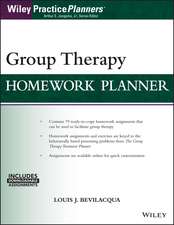 Group Therapy Homework PlannerLouis J BevilacquaPreț: 442.77 lei
 -
 Integrative Health through Music TherapySuzanne B. Hanser-5%Preț: 306.10 lei322.21 lei
 -
 -5%Preț: 441.74 lei464.99 lei
 -
 Handbook of Consult and Inpatient GynecologyPaula C. Brady-5%Preț: 752.16 lei791.74 lei
Cuprins
Introduction
PART I:OBSTACLES TO DEVELOPMENT1. The Developing Practitioner
2. What Gets Missed out in Analytic Accounts
3. The Babelization of Psychoanalytic Language
4. Why Theory Does Not Inform Practice
PART II: PSYCHOANALYTIC PRACTICE AS A FORM OF CRAFT
5. TheCraft Metaphor
6. Analytic "Rules" and Craft Practice
7. Counter-transference and Containment Revisited
PART III: DESCRIBING THE CRAFT: EXAMPLES FROM PRACTICE
8. A Session from an Intensive Therapy
9. Two Sessions from a Brief Therapy
PART IV: Developing the Craft: Examples from Clinical Discussion, Supervision and Teaching
10. Thinking about Interventions: An Example from a Clinical Discussion Group
11. How Working Models Inform Practice: An Example from a Supervision Group
12. Developing One's Own Way of Working: An Example from Teaching
Concluding Remarks
PART I:OBSTACLES TO DEVELOPMENT1. The Developing Practitioner
2. What Gets Missed out in Analytic Accounts
3. The Babelization of Psychoanalytic Language
4. Why Theory Does Not Inform Practice
PART II: PSYCHOANALYTIC PRACTICE AS A FORM OF CRAFT
5. TheCraft Metaphor
6. Analytic "Rules" and Craft Practice
7. Counter-transference and Containment Revisited
PART III: DESCRIBING THE CRAFT: EXAMPLES FROM PRACTICE
8. A Session from an Intensive Therapy
9. Two Sessions from a Brief Therapy
PART IV: Developing the Craft: Examples from Clinical Discussion, Supervision and Teaching
10. Thinking about Interventions: An Example from a Clinical Discussion Group
11. How Working Models Inform Practice: An Example from a Supervision Group
12. Developing One's Own Way of Working: An Example from Teaching
Concluding Remarks
Notă biografică
Laurence Spurling was Senior Lecturer in Counselling and Psychotherapy at Birkbeck College, University of London, and a Consultant Adult Psychotherapist in the National Health Service. He continues to teach and supervise and works now in private practice.