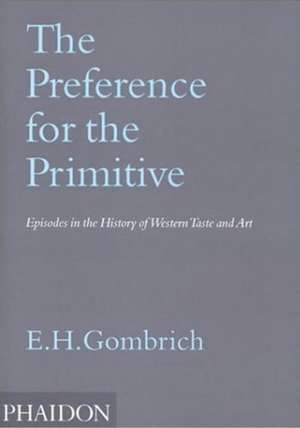
The Preference for the Primitive
Autor E. H. Gombrichen Limba Engleză Paperback – 14 apr 2014
Explorăm în acest volum o perioadă de reflecție profundă asupra istoriei gustului, marcată de tranziția intelectuală către valorizarea formelor de artă arhaice și simplificate. Relevanța sa actuală este incontestabilă, într-o epocă în care căutăm constant autenticitatea în detrimentul artificiului digital. În The Preference for the Primitive, descoperim un E. H. Gombrich aflat la apogeul carierei sale, oferindu-ne ultima sa contribuție majoră înainte de stingerea din viață. Remarcăm o structură narativă densă, dar accesibilă, care analizează de ce societățile sofisticate tind să idealizeze perioadele artistice considerate „primitive”, văzute ca fiind mai pure din punct de vedere moral. Suntem de părere că această lucrare completează magistral traiectoria autorului începută cu The Story of Art și continuată prin analizele psihologice din Art and Illusion. Dacă în lucrările anterioare se concentra pe evoluția reprezentării și ordinii vizuale, aici Gombrich se apleacă asupra subiectivității aprecierii estetice. Experiența de lectură este una senzorială, susținută de cele 230 de ilustrații alb-negru care punctează argumentația, oferind cititorului posibilitatea de a vizualiza exact acele trăsături „aspre” pe care criticii de odinioară le preferau în locul rafinamentului excesiv. Colecționarii care au apreciat Primitive Art in Civilized Places vor găsi aici aceeași calitate de reproducere și o rigoare academică similară, însă filtrată prin erudiția inconfundabilă a lui Gombrich, care transformă istoria artei într-o poveste despre valorile umane.
Preț: 266.91 lei
Carte tipărită la comandă
Livrare economică 04-18 decembrie
Specificații
ISBN-10: 0714846325
Pagini: 334
Ilustrații: 12 col & 230 b&w illus.
Dimensiuni: 170 x 244 x 19 mm
Greutate: 0.58 kg
Editura: Phaidon
V-ar putea interesa
-
 Beauty and Art: 1750-2000Elizabeth Prettejohn-23%Preț: 147.22 lei192.41 lei
 -
 Beauty: A Very Short IntroductionRoger Scruton-19%Preț: 58.06 lei71.46 lei
 -
 The Book of TeaKakuzo Okakura-36%Preț: 18.56 lei29.07 lei
 -
 Written in Water: The Ephemeral Life of the Classic in ArtRochelle GursteinPreț: 256.51 lei
 -
 The Birth of Tragedy and The Case of WagnerFriedrich NietzschePreț: 78.08 lei
 -
 Art in Theory 1900-2000 - An Anthology of Changing Ideas 2eCharles HarrisonPreț: 315.21 lei
 -
 The Dehumanization of Art and Other Essays on Art, Culture, and LiteratureJosé Ortega Y. GassetPreț: 90.47 lei
 -
 A History of Art HistoryChristopher S. WoodPreț: 261.19 lei
 -
 The Bible of British TasteRuth Guilding-16%Preț: 220.07 lei263.01 lei
 -
 Gombrich on the RenaissanceLeonie Gombrich-14%Preț: 121.37 lei141.58 lei
 -
 The Story of ArtE. H. GombrichPreț: 145.41 lei
 -
 Preț: 116.41 lei
 -
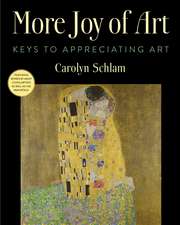 More Joy of Art: Keys to Appreciating ArtCarolyn Schlam-17%Preț: 233.04 lei281.26 lei
 -
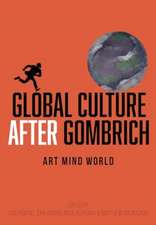 Global Culture After GombrichCao YiqiangPreț: 232.33 lei
 -
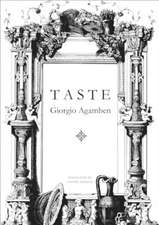 TasteGiorgio AgambenPreț: 81.29 lei
 -
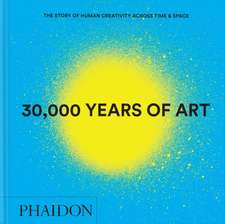 Preț: 219.36 lei
 -
 -14%Preț: 117.62 lei136.17 lei
 -
 The Correction of TasteDenis DonoghuePreț: 129.78 lei
 -
 ChromophobiaDavid Batchelor-23%Preț: 103.73 lei135.30 lei
De ce să citești această carte
Această carte este esențială pentru cei care doresc să înțeleagă rădăcinile psihologice ale gustului estetic. Cititorul câștigă o perspectivă clară asupra motivului pentru care arta simplă, arhaică, ne atrage mai mult decât cea tehnic perfectă. Este o recomandare ideală pentru studenții la arte și pasionații de istoria ideilor, oferind o sinteză finală a gândirii unuia dintre cei mai mari istorici ai artei din secolul XX.
Despre autor
E. H. Gombrich a fost unul dintre cei mai eminenți istorici ai artei, cunoscut la nivel mondial pentru capacitatea sa de a face teoria artei accesibilă publicului larg. Director al Institutului Warburg din Londra între 1959 și 1976, el a publicat lucrări monumentale precum The Story of Art, care a rămas un punct de referință în domeniu timp de peste o jumătate de secol. În The Preference for the Primitive, autorul își distilează întreaga experiență de cercetare, oferind o concluzie erudită asupra modului în care percepem frumosul și valoarea morală în obiectele artistice.