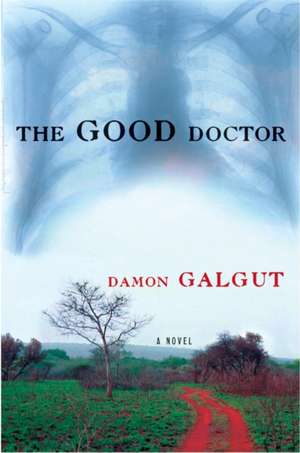
The Good Doctor
Autor Damon Galguten Limba Engleză Paperback – 7 sep 2004
Notăm cu interes ritmul acestui roman, care se desfășoară cu o precizie economică, fiind o lectură densă, dar care poate fi parcursă rapid datorită stilului auster și tăios al autorului. The Good Doctor ne plasează în atmosfera stultifiantă a unui spital rural din Africa de Sud, un loc unde timpul pare să fi încremenit într-o inerție corozivă. Frank, protagonistul nostru, s-a refugiat aici după un eșec personal, lăsându-se absorbit de apatia unei instituții unde echipamentele dispar și pacienții sunt rari. Liniștea sa amară este însă perturbată de sosirea lui Laurence Waters, un tânăr medic a cărui dorință de a „aduce spitalul la oameni” pare, în ochii lui Frank, o naivitate periculoasă. Credem că forța scriiturii lui Damon Galgut rezidă în capacitatea de a transforma o relație tensionată între doi colegi într-o radiografie a unei societăți care încă se luptă cu umbrele trecutului. Ca și Evening Primrose: a heart-wrenching novel for our times de Kopano Matlwa, acest roman explorează realitățile dure și disfuncționale ale sistemului medical sud-african, dar o face dintr-o perspectivă mult mai masculină și introspectivă, unde accentul cade pe complicitatea morală și pe eșecul idealismului în fața structurilor de putere rămase din epoca apartheidului. Poziționăm această lucrare ca fiind piatra de temelie care a anticipat succesul răsunător al volumului The Promise. Dacă în In a Strange Room autorul explora izolarea prin călătorie, în The Good Doctor el analizează claustrofobia imobilismului. Este un roman polițist al conștiinței, unde miza nu este doar rezolvarea unui furt sau a unei dispariții, ci înțelegerea modului în care compromisurile mici duc la catastrofe morale mari.
Preț: 97.50 lei
Carte disponibilă
Livrare economică 07-21 noiembrie
Specificații
ISBN-10: 0802141692
Pagini: 215
Dimensiuni: 136 x 205 x 16 mm
Greutate: 0.29 kg
Ediția:Grove Press Pbk.
Editura: Grove Atlantic
De ce să citești această carte
Recomandăm acest roman cititorilor care apreciază proza psihologică fină și atmosferele încărcate de tensiune mocnită. Veți câștiga o perspectivă onestă asupra dilemelor etice dintr-o lume aflată în tranziție, unde granița dintre bine și rău este la fel de fragilă ca zidurile spitalului părăsit. Este o lectură esențială pentru a înțelege evoluția lui Damon Galgut, laureat al premiului Booker, înainte de marile sale succese recente.
Despre autor
Damon Galgut, născut în 1963, este unul dintre cei mai importanți romancieri și dramaturgi sud-africani contemporani. Recunoașterea sa internațională a culminat cu câștigarea prestigiosului Booker Prize în 2021 pentru romanul The Promise, după ce fusese anterior pe lista scurtă în 2003 chiar cu The Good Doctor și în 2010 cu In a Strange Room. Stilul său este adesea descris ca fiind minimalist și pătrunzător, concentrându-se pe temele identității, vinovăției și peisajului politic complex al Africii de Sud, elemente care traversează întreaga sa operă literară.
Descriere scurtă
Laurence starts planning a campaign to “bring the hospital to the people,” by running clinics in nearby villages. A group of soldiers have arrived in the village, reportedly looking for holes in the border where smuggling has become rampant. Then Laurence’s African-American girlfriend Zanele, who has adopted an African name and dress, and who shares his political idealism (but not much actual intimacy, it seems) comes to visit, and Laurence and Frank host a party. During the flush of drunkenness the tensions between the staff melt away (the Cuban couple estranged by Frank having had an affair with the woman; the strained power relations between Frank and the other doctors and Tehogo, the young black African man who works as the caretaker and unlicensed nurse). But in the aftermath of the party this quickly melts away—especially when Frank goes to return the cassettes Tehogo lent him for the party, and accidentally discovers a cache of looted metal fittings from the hospital in Tehogo’s room. Finally, Laurence talks Frank into spending an evening with Zanele while he is on duty—which ends in a bizarre encounter with an apartheid-era local despot and a furtive sexual union with Zanele. Frank is understandably relieved that a few days later an appointment to see his estranged wife to sign divorce papers allows him a chance to get away.
When Frank returns, Laurence meets him by telling him everything’s changed. Laurence has ignored Frank’s wish not to report Tehogo’s theft, and in so doing has revealed that Frank was the one who discovered it. The clinic has become a huge public relations coup, raising awareness and goodwill toward the hospital though its capacities are no better than before, and everyone but Frank seems swept up in its success. And a secret Frank has been keeping from Laurence since their first day of friendship—the married poor black woman Frank has been sleeping with off and on for years, sometimes for money—comes to light, in a way, when the woman comes to Laurence at the end of the clinic to tell him she needs an abortion, and that it must be done at her home. Enjoying Laurence’s discomfort with this moral dilemma, Frank does not help with the procedure and when he guiltily goes to check on the patient the next night, she and the shack where she lived, where he would go to meet her, are gone. Meanwhile Tehogo has more or less completely stopped coming in to work. Convinced that his affair’s husband is somehow linked to the former despot and to a rash of recent robberies because of his white car, Frank tips the colonel leading the group of soldiers—a brutal Afrikaner under whom, as a conscript, Frank had been forced to help torture black informants before the end of apartheid—as to where he thinks the despot’s encampment is hiding. Soon after, a soldier turns up with Tehogo, vitally wounded from a gunshot. As Frank tends to the wound obsessively to assuage his guilt at possibly having exposed Tehogo to the colonel, Laurence for once is completely apathetic—whether disgusted at Tehogo for being a thief and complicating his image of human perfectibility, or too distracted by the apparently more noble work of tomorrow’s second village health clinic, which seems more than ever to Frank like lip service. Frank volunteers to move Tehogo to the bigger hospital where his life can assuredly be saved, but when he wakes in the morning Tehogo, the soldier guarding him, the bed to which he was handcuffed, and Laurence, who was on night duty, are all gone. Soon the soldiers leave town too, and as the stultifying silence of the pre-Laurence days returns, Frank is left to make some sense of the strange almost-year of the young doctor’s presence.