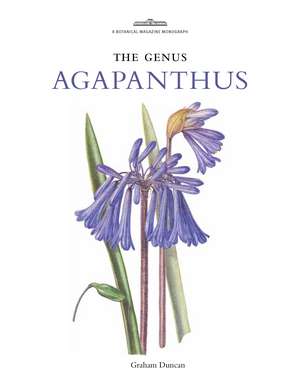
The Genus Agapanthus: Botanical Magazine Monograph
Autor Graham Duncanen Limba Engleză Hardback – oct 2021
Această monografie de referință, publicată sub egida Royal Botanic Gardens, aduce o contribuție esențială în literatura botanică prin prezentarea unei clasificări revizuite a genului Agapanthus, incluzând specii noi publicate pentru prima dată în acest volum. Lucrarea depășește sfera unui simplu ghid horticol, oferind o sinteză riguroasă între rigoarea științifică și arta botanică, susținută de acuarelele semnate de Elbe Joubert și de cele 257 de planșe color care documentează plantele în habitatele lor naturale din sudul Africii. Subliniem modul în care Graham Duncan organizează materialul: după o incursiune în istoria cultivării acestor plante — de la primele exemplare aduse în Olanda în secolul al XVII-lea până la popularitatea lor în serele britanice — autorul trece la o analiză detaliată a peste 150 de cultivare. Putem afirma că structura cărții este concepută pentru a servi atât botanistului, cât și horticultorului practicant, oferind hărți de distribuție globală și instrucțiuni precise pentru propagare și îngrijire. Acoperă o arie tematică similară cu Genus Cyclamen de Brian Mathew, dar se distinge prin focalizarea pe un gen specific Africii de Sud și prin actualizarea taxonomică recentă. De asemenea, în timp ce The European Garden Flora Flowering Plants oferă un manual general de identificare pentru mii de plante ornamentale, The Genus Agapanthus propune o examinare mult mai profundă și specializată, fiind o resursă definitivă pentru acest grup de plante renumite pentru nuanțele lor de albastru intens. Volumul reușește să echilibreze descrierile morfologice complexe cu sfaturi practice, devenind un instrument indispensabil pentru înțelegerea evoluției și diversității acestui gen.
Preț: 542.78 lei
Preț vechi: 589.98 lei
-8%
Carte disponibilă
Livrare economică 13-27 mai
Livrare express 29 aprilie-05 mai pentru 58.97 lei
Specificații
ISBN-10: 1842467239
Pagini: 272
Ilustrații: 257 color plates, 12 maps
Dimensiuni: 193 x 252 x 24 mm
Greutate: 1.15 kg
Editura: Royal Botanic Gardens
Colecția Botanical Magazine Monograph
Seria Botanical Magazine Monograph
V-ar putea interesa
-
 Histoire Des Végétaux Recueillis Dans Les Îles Australes d'Afrique. Ire PartieAubert Du Petit-ThouarsPreț: 90.69 lei
 -
 Preț: 162.56 lei
 -
 Preț: 90.69 lei
 -
 Preț: 112.50 lei
 -
 O gênero Hypnea J.V. Lamouroux no litoral do estado da Bahia, BrasilPriscila Barreto de JesusPreț: 333.27 lei
 -
 Algas verdes macroscópicas de ambientes lóticos do Sul do BrasilCleto Kaveski PeresPreț: 364.86 lei
 -
 Biodrainage and Carbon SequestrationMukesh Kumar Chauhan-8%Preț: 467.12 lei507.74 lei
 -
 Impact of germnation on canola seedsMona DawoodPreț: 375.24 lei
 -
 -8%Preț: 467.44 lei508.09 lei
 -
 Germination And Early Growth Studies On Pigeon PeaFelix Olalekan BabalolaPreț: 312.47 lei
 -
 Heterosis, Combining Ability and QTL Analysis in TomatoMofidul Hannan-8%Preț: 398.47 lei433.12 lei
 -
 Flora and vegetation of areas allied to Phong Nha - Ke BangLeonid Averyanov-8%Preț: 463.21 lei503.50 lei
 -
 Biologiya Lichnis chalcedonica L. v usloviyakh introduktsiiMinina Natal'yaPreț: 310.49 lei
 -
 Mutagenic Sensitivity of "Sharada" Cluster beanKishor DubePreț: 312.32 lei
 -
 Zinc DeficiencyYadav SHIKHA-8%Preț: 398.68 lei433.34 lei
 -
 North American Species of CactusJohn Merle CoulterPreț: 209.91 lei
 -
 Preț: 244.89 lei
 -
 -19%Preț: 585.25 lei722.53 lei
De ce să citești această carte
Este resursa definitivă pentru botaniști și colecționari, oferind singura clasificare actualizată a genului Agapanthus. Cititorul câștigă acces la expertiza curatorului de la Kirstenbosch, învățând nu doar să identifice speciile noi, ci și să cultive cu succes peste 150 de varietăți. Combinația de hărți de distribuție și ilustrații de înaltă calitate o transformă într-o piesă de colecție pentru orice bibliotecă horticolă.
Despre autor
Graham Duncan este un horticultor specialist și curatorul renumitei colecții de plante cu bulbi din cadrul Grădinilor Botanice Naționale Kirstenbosch din Africa de Sud. Cu o experiență vastă în studiul florei sud-africane, Duncan este recunoscut la nivel internațional pentru expertiza sa în propagarea și conservarea speciilor indigene. Activitatea sa la Kirstenbosch, unul dintre cele mai importante centre de biodiversitate din lume, i-a permis să studieze genul Agapanthus direct în habitatul său natural, experiență care fundamentează rigoarea științifică și observațiile practice detaliate prezentate în acest volum din seria Botanical Magazine Monograph.
Descriere scurtă
Renowned for its stunning blue flowers, agapanthus—sometimes known as the blue lily or lily of the Nile—is a group of rhizomatous plants native to southern Africa. First cultivated in the Netherlands in the late seventeenth century, it rose to prominence as a conservatory plant in England during the eighteenth and nineteenth centuries after certain varieties were found to be hardy enough to withstand the colder climate of the British Isles. Graham Duncan’s The Genus Agapanthus provides both a revised classification of this plant group and a superbly illustrated celebration of their unique beauty. Featuring new watercolors from South African artist Elbe Joubert and color photographs showing the species in their spectacular and varied natural habitats, the book also highlights a selection of more than 150 of the most notable agapanthus cultivars from growers across Europe, Africa, and Oceania. The agapanthus’s natural history is spotlighted as well, with comprehensive descriptions of each species, maps of their global distribution, and information on how to successfully cultivate, propagate, and care for them. This book’s blend of science, horticulture, and art makes it essential for all varieties of plant lovers.
Notă biografică
Cuprins
NEW SPECIES PUBLISHED IN THIS WORK . . . . . . . . . . . . . . . . . . . . . . . . . . . . . . . viii
FOREWORD . . . . . . . . . . . . . . . . . . . . . . . . . . . . . . . . . . . . . . . . . . . . . . . . . . . . . . . . . . . ix
ACKNOWLEDGEMENTS . . . . . . . . . . . . . . . . . . . . . . . . . . . . . . . . . . . . . . . . . . . . . . . . . xi
PREFACE . . . . . . . . . . . . . . . . . . . . . . . . . . . . . . . . . . . . . . . . . . . . . . . . . . . . . . . . . . . . . . .xii
1. HISTORY . . . . . . . . . . . . . . . . . . . . . . . . . . . . . . . . . . . . . . . . . . . . . . . . . . . . . . . . . . . . .1
2. AGAPANTHUS CULTIVARS . . . . . . . . . . . . . . . . . . . . . . . . . . . . . . . . . . . . . .13
Brief history . . . . . . . . . . . . . . . . . . . . . . . . . . . . . . . . . . . . . . . . . . . . . . . . . . . . . . . . . . .13
Cultivars
Deciduous cultivars . . . . . . . . . . . . . . . . . . . . . . . . . . . . . . . . . . . . . . . . . . . . . . . . . . . .24
Evergreen cultivars . . . . . . . . . . . . . . . . . . . . . . . . . . . . . . . . . . . . . . . . . . . . . . . . . . . . .57
3. CULTIVATION AND PROPAGATION . . . . . . . . . . . . . . . . . . . . . . . . . . . . . . .87
Cultivation . . . . . . . . . . . . . . . . . . . . . . . . . . . . . . . . . . . . . . . . . . . . . . . . . . . . . . . . . . . .87
Propagation . . . . . . . . . . . . . . . . . . . . . . . . . . . . . . . . . . . . . . . . . . . . . . . . . . . . . . . . . . . .99
Pests and diseases . . . . . . . . . . . . . . . . . . . . . . . . . . . . . . . . . . . . . . . . . . . . . . . . . . . . . . .101
4. AGAPANTHUS AND THE ENVIRONMENT . . . . . . . . . . . . . . . . . . . . . . . . . 107
Conservation . . . . . . . . . . . . . . . . . . . . . . . . . . . . . . . . . . . . . . . . . . . . . . . . . . . . . . . . . .107
Phytogeography . . . . . . . . . . . . . . . . . . . . . . . . . . . . . . . . . . . . . . . . . . . . . . . . . . . . . . . .108
Ecology, habitat and adaptive strategies . . . . . . . . . . . . . . . . . . . . . . . . . . . . . . . . . . . . . . .111
Phenology . . . . . . . . . . . . . . . . . . . . . . . . . . . . . . . . . . . . . . . . . . . . . . . . . . . . . . . . . . . .119
5. AGAPANTHUS BIOLOGY . . . . . . . . . . . . . . . . . . . . . . . . . . . . . . . . . . . . . . . 121
Morphology . . . . . . . . . . . . . . . . . . . . . . . . . . . . . . . . . . . . . . . . . . . . . . . . . . . . . . . . . .121
Pollination biology . . . . . . . . . . . . . . . . . . . . . . . . . . . . . . . . . . . . . . . . . . . . . . . . . . . . . .133
Seed dispersal . . . . . . . . . . . . . . . . . . . . . . . . . . . . . . . . . . . . . . . . . . . . . . . . . . . . . . . . . 140
Karyology . . . . . . . . . . . . . . . . . . . . . . . . . . . . . . . . . . . . . . . . . . . . . . . . . . . . . . . . . . . .141
Phytochemistry and medicinal use . . . . . . . . . . . . . . . . . . . . . . . . . . . . . . . . . . . . . . . . . .142
6. SPECIES RELATIONSHIPS . . . . . . . . . . . . . . . . . . . . . . . . . . . . . . . . . . . . . . . . . . . .145
LIST OF PAINTINGS . . . . . . . . . . . . . . . . . . . . . . . . . . . . . . . . . . . . . . . . . . . . . . . . . . . . .vii
NEW SPECIES PUBLISHED IN THIS WORK . . . . . . . . . . . . . . . . . . . . . . . . . . . . . . . viii
FOREWORD . . . . . . . . . . . . . . . . . . . . . . . . . . . . . . . . . . . . . . . . . . . . . . . . . . . . . . . . . . . ix
ACKNOWLEDGEMENTS . . . . . . . . . . . . . . . . . . . . . . . . . . . . . . . . . . . . . . . . . . . . . . . . . xi
PREFACE . . . . . . . . . . . . . . . . . . . . . . . . . . . . . . . . . . . . . . . . . . . . . . . . . . . . . . . . . . . . . . .xii
1. HISTORY . . . . . . . . . . . . . . . . . . . . . . . . . . . . . . . . . . . . . . . . . . . . . . . . . . . . . . . . . . . . .1
2. AGAPANTHUS CULTIVARS . . . . . . . . . . . . . . . . . . . . . . . . . . . . . . . . . . . . . .13
Brief history . . . . . . . . . . . . . . . . . . . . . . . . . . . . . . . . . . . . . . . . . . . . . . . . . . . . . . . . . . .13
Cultivars
Deciduous cultivars . . . . . . . . . . . . . . . . . . . . . . . . . . . . . . . . . . . . . . . . . . . . . . . . . . . .24
Evergreen cultivars . . . . . . . . . . . . . . . . . . . . . . . . . . . . . . . . . . . . . . . . . . . . . . . . . . . . .57
3. CULTIVATION AND PROPAGATION . . . . . . . . . . . . . . . . . . . . . . . . . . . . . . .87
Cultivation . . . . . . . . . . . . . . . . . . . . . . . . . . . . . . . . . . . . . . . . . . . . . . . . . . . . . . . . . . . .87
Propagation . . . . . . . . . . . . . . . . . . . . . . . . . . . . . . . . . . . . . . . . . . . . . . . . . . . . . . . . . . . .99
Pests and diseases . . . . . . . . . . . . . . . . . . . . . . . . . . . . . . . . . . . . . . . . . . . . . . . . . . . . . . .101
4. AGAPANTHUS AND THE ENVIRONMENT . . . . . . . . . . . . . . . . . . . . . . . . . 107
Conservation . . . . . . . . . . . . . . . . . . . . . . . . . . . . . . . . . . . . . . . . . . . . . . . . . . . . . . . . . .107
Phytogeography . . . . . . . . . . . . . . . . . . . . . . . . . . . . . . . . . . . . . . . . . . . . . . . . . . . . . . . .108
Ecology, habitat and adaptive strategies . . . . . . . . . . . . . . . . . . . . . . . . . . . . . . . . . . . . . . .111
Phenology . . . . . . . . . . . . . . . . . . . . . . . . . . . . . . . . . . . . . . . . . . . . . . . . . . . . . . . . . . . .119
5. AGAPANTHUS BIOLOGY . . . . . . . . . . . . . . . . . . . . . . . . . . . . . . . . . . . . . . . 121
Morphology . . . . . . . . . . . . . . . . . . . . . . . . . . . . . . . . . . . . . . . . . . . . . . . . . . . . . . . . . .121
Pollination biology . . . . . . . . . . . . . . . . . . . . . . . . . . . . . . . . . . . . . . . . . . . . . . . . . . . . . .133
Seed dispersal . . . . . . . . . . . . . . . . . . . . . . . . . . . . . . . . . . . . . . . . . . . . . . . . . . . . . . . . . 140
Karyology . . . . . . . . . . . . . . . . . . . . . . . . . . . . . . . . . . . . . . . . . . . . . . . . . . . . . . . . . . . .141
Phytochemistry and medicinal use . . . . . . . . . . . . . . . . . . . . . . . . . . . . . . . . . . . . . . . . . .142
6. SPECIES RELATIONSHIPS . . . . . . . . . . . . . . . . . . . . . . . . . . . . . . . . . . . . . . . . . . . .145