
The Deportation Regime
Editat de Nicholas De Genovaen Limba Engleză Paperback – 15 apr 2010
Începem analiza acestui volum pornind de la conceptul fundamental de „deportabilitate”, pe care Nicholas De Genova și colectivul său de cercetători îl plasează în centrul controlului statal contemporan. Notăm cu interes faptul că The Deportation Regime nu se limitează la actul administrativ al expulzării, ci investighează modul în care amenințarea constantă a îndepărtării forțate produce o subordonare a forței de muncă și o disciplinare a populațiilor non-cetățene. Structura cărții este ambițioasă, oferind o perspectivă globală care transcende simpla analiză juridică, integrând perspective etnografice din Bahrain, Germania sau comunitățile de refugiați algerieni din Montreal.
Observăm o progresie logică de la dimensiunea ontologică a libertății de mișcare către studii de caz specifice care dezvăluie cum regimurile de deportare reflectă prejudecăți legate de sănătatea publică și privilegiile de clasă. Această lucrare completează perspectiva oferită de The Social, Political and Historical Contours of Deportation de Bridget Anderson, adăugând o dimensiune antropologică profundă și o analiză a modului în care suveranitatea este redefinită prin controlul teritorial strict. În contextul operei editorului, volumul se situează natural alături de [The Borders of "Europe"] (book), extinzând interogația asupra modului în care statele-națiune naturalizează excluderea ca răspuns la migrația neautorizată. Descoperim aici o critică necesară a măsurilor de securitate post-2001, care au transformat deportarea dintr-un instrument marginal într-o tehnică de guvernare omniprezentă în era globalizării.
Preț: 286.58 lei
Carte tipărită la comandă
Livrare economică 08-22 iunie
Specificații
ISBN-10: 0822345765
Pagini: 522
Ilustrații: 1 table
Dimensiuni: 156 x 234 x 33 mm
Greutate: 0.75 kg
Editura: Duke University Press
V-ar putea interesa
-
 Preț: 109.41 lei
 -
 -23%Preț: 432.80 lei564.61 lei
 -
 -30%Preț: 358.99 lei516.43 lei
 -
 Liberal States and the Freedom of MovementSteffen MauPreț: 378.64 lei
 -
 The Devil's Highway: A True StoryLuis Alberto Urrea-28%Preț: 78.64 lei109.18 lei
 -
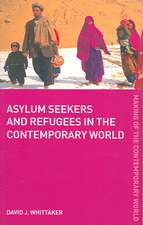 Asylum Seekers and Refugees in the Contemporary WorldDavid J. WhittakerPreț: 375.64 lei
 -
 -15%Preț: 400.73 lei471.45 lei
 -
 Growing SeasonHarwoodPreț: 182.57 lei
 -
 Preț: 325.37 lei
 -
 Trafficking and Global Crime ControlMaggy LeePreț: 393.85 lei
 -
 -26%Preț: 1002.97 lei1348.42 lei
 -
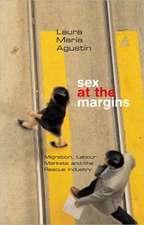 Sex at the Margins: Migration, Labour Markets and the Rescue IndustryLaura María Agustin-21%Preț: 164.62 lei208.08 lei
De ce să citești această carte
Recomandăm această carte cercetătorilor și studenților din sociologie și științe politice care doresc să înțeleagă mecanismele profunde ale controlului migrației. Cititorul câștigă o înțelegere teoretică solidă asupra modului în care „deportabilitatea” afectează viața cotidiană și drepturile omului. Este un instrument esențial pentru a decoda logica sociopolitică din spatele știrilor despre crizele de la frontiere și politicile de expulzare ale marilor puteri.
Despre autor
Nicholas De Genova este profesor asistent în cadrul Departamentului de Antropologie și al Programului de Studii Latino de la Universitatea Columbia. Cercetările sale se concentrează pe intersecția dintre rasă, cetățenie și politicile de control ale statului-națiune. Este coautor al volumului „Latino Crossings” și a editat lucrări de referință precum Roma Migrants in the European Union și Racial Transformations. Expertiza sa în antropologia migrației și studiul frontierelor oferă acestui volum o rigoare academică recunoscută internațional, poziționându-l ca o voce critică în dezbaterile despre mobilitatea umană globală.
Descriere scurtă
Cuprins
Recenzii
The Deportation Regime is an important and timely book, both for theory and for politics. A series of well-written case studies (from across the world) accompanied by a smart theoretical overview by Nicholas De Genova, the collection urges us to see the undocumented migrant/sans papiers/deportable alien/stateless citizen as paradigmatic of our time, as norm rather than exception, and thus as constitutive of sovereignty and the political today.--Charles Piot, author of Remotely Global: Village Modernity in West Africa
This valuable collection of essays treating deportation as a distinct form of state social control shows convincingly that deportation demands more specific attention from social theorists. The ethnographically rich and theoretically informed essays provide fascinating case studies on the functioning of the deportation regime in different national settings.--Linda Bosniak, author of The Citizen and the Alien: Dilemma of Contemporary Membership
"This collection is truly impressive. It demonstrates the importance of deportation as a mechanism for producing citizenship and alienage, nations, states, and territories in both theory and practice...There is much to be done, and this book outlines an emerging research agenda." Bridget Anderson, Journal of the Royal Anthropological Institute "The Deportation Regime is an important and timely book, both for theory and for politics. A series of well-written case studies (from across the world) accompanied by a smart theoretical overview by Nicholas De Genova, the collection urges us to see the undocumented migrant/sans papiers/deportable alien/stateless citizen as paradigmatic of our time, as norm rather than exception, and thus as constitutive of sovereignty and the political today."--Charles Piot, author of Remotely Global: Village Modernity in West Africa "This valuable collection of essays treating deportation as a distinct form of state social control shows convincingly that deportation demands more specific attention from social theorists. The ethnographically rich and theoretically informed essays provide fascinating case studies on the functioning of the deportation regime in different national settings."--Linda Bosniak, author of The Citizen and the Alien: Dilemma of Contemporary Membership