
Cold War U.S. Army
Autor Ingo Trauschweizeren Limba Engleză Hardback – iun 2008
Considerăm că The Cold War U.S. Army este o resursă fundamentală pentru studenții la istorie militară, cercetătorii în studii de securitate și practicienii din domeniul apărării care doresc să înțeleagă modul în care o instituție masivă se adaptează în condiții de incertitudine tehnologică și politică. Autorul Ingo Trauschweizer analizează transformarea structurală și doctrinară a forțelor terestre americane într-o epocă dominată de spectrul armelor nucleare, oferind o perspectivă rară asupra modului în care s-a construit capacitatea de descurajare în Europa. Găsim în această lucrare o examinare detaliată a tensiunii dintre necesitatea menținerii unei forțe convenționale gata de luptă și presiunea politică de a adopta strategii bazate pe aviație și armament atomic. Textul urmărește cronologic experimentele organizaționale, precum structura pentomică și ulterior conceptul ROAD, evidențiind rolul crucial al Armatei a Șaptea din Germania de Vest. Autorul propune un argument revizionist interesant, plasând eșecul din Vietnam în contextul mai larg al priorităților de descurajare europene, demonstrând cum maturizarea doctrinală a condus în final la strategia AirLand Battle din 1982. Această monografie completează perspectiva oferită de U.S. Army Campaigns of the Vietnam War: The U.S. Army Before Vietnam, 1953-1965, adăugând o analiză extinsă care depășește perioada pre-Vietnam și se concentrează pe interacțiunea dintre strategia NATO și organizarea internă a armatei. În timp ce alte lucrări se axează pe conflicte specifice, The Cold War U.S. Army reușește să sintetizeze relația complexă dintre tehnologie, birocrație militară și doctrină pe parcursul a trei decenii de pace tensionată.
Preț: 464.82 lei
Carte tipărită la comandă
Livrare economică 02-16 iunie
Specificații
ISBN-10: 0700615784
Pagini: 386
Dimensiuni: 157 x 235 x 27 mm
Greutate: 0.79 kg
Editura: University Press of Kansas
V-ar putea interesa
-
 Maxwell Taylor's Cold WarIngo TrauschweizerPreț: 285.01 lei
 -
 Religion and Peace: Global Perspectives and PossibilitiesNukhet A. SandalPreț: 233.62 lei
 -
 Preț: 255.06 lei
 -
 Air Power and Maneuver WarfareMartin Van CreveldPreț: 158.45 lei
 -
 Strategies for the Human RealmRalph D. SawyerPreț: 92.74 lei
 -
 The American Sailing NavyHarry BaehrPreț: 111.72 lei
 -
 D'Urban's Report on the Campaign and Battle of Albuera 1811Benjamin D'UrbanPreț: 84.46 lei
 -
 Preț: 103.21 lei
 -
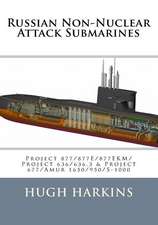 Russian Non-Nuclear Attack SubmarinesHugh HarkinsPreț: 160.38 lei
 -
 The Bulwark of ChristendomKarl August SchimmerPreț: 214.16 lei
 -
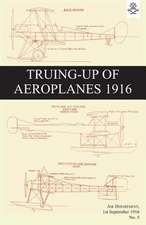 Truing-Up of Aeroplanes 1916Air DepartmentPreț: 73.80 lei
 -
 Preț: 72.86 lei
 -
 Preț: 74.16 lei
 -
 Preț: 60.67 lei
 -
 America Looks to AustraliaJames PriorPreț: 128.39 lei
 -
 The History of American Ranks and Rank Insignia (Fourth Edition)Steven A. BingamanPreț: 175.66 lei
De ce să citești această carte
Pentru cititorul interesat de istorie militară și strategii de apărare, această carte oferă o analiză riguroasă a modului în care Armata SUA și-a redefinit identitatea în timpul Războiului Rece. Veți câștiga o înțelegere profundă a dilemelor strategice dintre războiul convențional și cel nuclear, fiind o lectură esențială pentru a înțelege fundamentele doctrinare care au modelat forțele NATO moderne până la sfârșitul secolului XX.