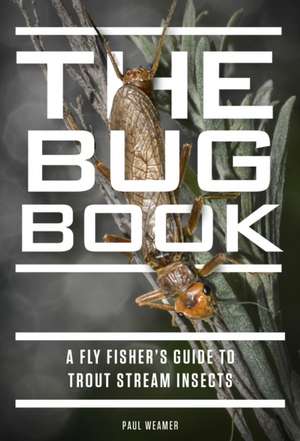
The Bug Book
Autor Paul Weameren Limba Engleză Hardback – sep 2016
Imaginați-vă că sunteți pe malul unui râu și observați păstrăvi care se hrănesc la suprafață, dar refuză sistematic orice muscă le prezentați. Diferența dintre un pescar frustrat și unul de succes constă adesea în capacitatea de a descifra „codul” insectelor din apă. În The Bug Book, Paul Weamer elimină bariera terminologiei complicate și a numelor în latină care îi intimidează pe mulți începători, oferind în schimb o hartă clară a entomologiei aplicate. Suntem de părere că înțelegerea modului în care insectele trăiesc și eclozează este la fel de importantă ca tehnica lansării; nu poți prinde pești selectivi dacă nu înțelegi ce caută aceștia în meniul zilnic. Volumul se distinge prin abordarea practică, oferind grafice de ecloziune și recomandări de modele de muște care acoperă întreg teritoriul Statelor Unite. Ca și Matching the Hatch de Pat O'Reilly, această lucrare pune accent pe importanța corelării imitației cu insecta naturală, dar The Bug Book adoptă un stil mai accesibil, orientat spre eliminarea anxietății pe care o simt pescarii în fața științei complexe a insectelor. Apreciem modul în care Paul Weamer sintetizează experiența sa de ghid profesionist pentru a explica mecanismele din spatele alegerii unei muște, transformând teoria într-un instrument de captură imediat. Este o resursă esențială pentru cei care doresc să înțeleagă biologia râului fără a deveni academicieni, ci rămânând pescari eficienți.
Preț: 145.72 lei
Cartea se retipărește
Specificații
ISBN-10: 1934753424
Pagini: 118
Dimensiuni: 150 x 223 x 15 mm
Greutate: 0.32 kg
Editura: Headwater Books
De ce să citești această carte
Recomandăm această carte oricărui pescar la muscă care s-a simțit vreodată pierdut în fața diversității insectelor de pe râu. Paul Weamer transformă entomologia dintr-o disciplină aridă într-un avantaj tactic clar. Veți câștiga încrederea de a alege musca potrivită în funcție de context, înțelegând exact de ce un anumit model funcționează, ceea ce vă va ajuta să păcăliți chiar și cei mai prudenți păstrăvi sălbatici.
Despre autor
Paul Weamer este o figură respectată în comunitatea pescuitului la muscă din SUA, servind ca Mid Atlantic Field Editor pentru prestigioasa revistă Fly Fisherman. Cu o carieră vastă în spate, a fost realizator profesionist de muște artificiale, ghid autorizat și manager al mai multor magazine de profil de succes în Pennsylvania și New York. Experiența sa practică de zeci de ani pe ape celebre precum Penns Creek se reflectă în abordarea sa pragmatică și pedagogică, fiind autorul a cinci volume dedicate acestui sport.
Descriere scurtă
Understanding aquatic insect hatches is like being able to cast an entire fly line. Do you need to cast that far to catch fish? Of course not. But will being able to cast a long distance inhibit your ability to catch fish? Never. Knowing where, and how, insects live and emerge gives anglers yet another piece of the puzzle. I've never heard a fly fisherman exclaim, ¿I probably would have caught those rising fish if I just didn't know so much about trout stream insects.¿
You still need to cast. You still need to present flies in such a manner that fish will accept them. But though no one has ever failed to catch a trout because they knew too much about aquatic insects, plenty of anglers have not caught as big a fish, or as many fish as they could have caught, because they failed to understand the importance of matching a hatch. This is particularly true when fishing for large, wild, selective trout¿the ones we all really want to catch.
In this book, I try to relieve some of the reticence about trout stream insects that makes many anglers feel inadequate and uneasy. Many excellent books provide very detailed information about specific hatches. But that's not this book's goal. This book is written for new anglers who want a basic understanding of aquatic insects or more seasoned fly fishers who want to take their skills to the next level; those who want to know not only if their flies will work but why they'll work as well. I remember when I was first learning to fly fish, and I read about complicated Latin names or confusing stages of aquatic insect development. I was lost. It was as if the whole fly fishing world was born knowing about these things, and I was left out. This book's aim is to provide basic aquatic insect knowledge that will not only help you to understand more about trout stream insects, but it will also help you catch more trout on your next fishing trip. It will help you to understand why you should tie one fly to your leader rather than another to imitate the hatches you encounter.
Cuprins
Introduction X
1 Aquatic Insect Habitats X
2 The Name Game: Latin vs. Common Names X
3 Mayflies (Ephemeroptera) X
4 Caddisflies (Trichoptera) X
5 Stoneflies (Plecoptera) X
6 Hatch Progression and Importance
Charts and Phenology X
Chart I: Eastern and Midwestern
Hatch Progression and Importance by Stage X
Chart II: Western Hatch Progression
and Importance by Stage X
Chart III: Important Mayfly Families a
nd Genera in the East, Midwest, and West X
7 Selecting the Best Fly Patterns X
8 East/Midwest Five Star Hatches X
9 Western Five Star Hatches X
10 Other Important Trout Stream Foods X
11 Resources X