Cantitate/Preț
Produs

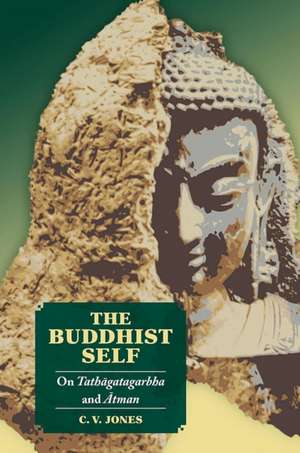
The Buddhist Self

Autor C V Jones
en Limba Engleză Paperback – 30 apr 2024

Analiza conceptului de tathāgatagarbha, sau „natura de Buddha”, reprezintă punctul central al acestei lucrări premiate, oferind o perspectivă nuanțată asupra modului în care budismul indian a renegociat ideea de sine. Considerăm că abordarea autorului C V Jones este esențială pentru înțelegerea unei aparente contradicții doctrinare: trecerea de la negarea radicală a unui sine permanent (anātman) la afirmarea unei prezențe interioare imuabile și prețioase. Remarcăm rigurozitatea cu care sunt examinate sursele Mahāyāna timpurii, autorul argumentând că această „natură-Buddha” a fost concepută ca un răspuns inovator la căutările spirituale indiene contemporane de descoperire a divinului în propria constituție. Comparabil cu Self, No Self? de Mark Siderits în rigurozitatea academică, volumul de față este însă actualizat pentru a reflecta evoluția terminologică și istorică a conceptului de „sine adevărat” în cadrul tradiției indiene specifice. În timp ce alte lucrări se concentrează pe interfața cu științele cognitive, The Buddhist Self rămâne ancorat în filologia și istoria ideilor, oferind o examinare metodică a textelor care au definit eliberarea nu doar ca o încetare a renașterii, ci ca o atingere a statutului exaltat de Buddha. Tonul este unul academic precis, structura narativă urmărind cronologic și tematic dezvoltarea literaturii tathāgatagarbha, fără a apela la generalizări simpliste. Găsim în această ediție de la University of Hawaii Press o contribuție majoră la studiile buddhiste, clarificând modul în care limbajul sinelui a fost utilizat strategic pentru a dota școala Mahāyāna cu o ontologie afirmativă.

Citește tot Restrânge

Preț: 21699 lei

Puncte Express: 325

Carte disponibilă

Livrare economică 25 iunie-09 iulie

Livrare prin curier în România Termenul estimat este afișat lângă disponibilitate.
Transport gratuit de la 40000 lei Plată online sau ramburs, în funcție de opțiunile comenzii.
Retur gratuit în 14 zile Comandă securizată și suport în română.

Specificații

ISBN-13: 9780824899264
ISBN-10: 0824899261
Pagini: 316
Dimensiuni: 150 x 226 x 23 mm
Greutate: 0.52 kg
Editura: University of Hawaii Press

De ce să citești această carte

Recomandăm această carte cercetătorilor și studenților la filozofie orientală care doresc să înțeleagă complexitatea doctrinei non-sinelui. Cititorul câștigă o perspectivă clară asupra modului în care texte influente au reinterpretat identitatea personală sub forma naturii-Buddha. Este o lectură fundamentală pentru cei care vor să depășească viziunea simplistă a budismului ca simplă negație, descoperind o istorie fascinantă a „sinelui adevărat” în gândirea indiană.


Descriere

Winner of the 2021 Toshihide Numata Book Award in Buddhism The assertion that there is nothing in the constitution of any person that deserves to be considered the self (ātman)--a permanent, unchanging kernel of personal identity in this life and those to come--has been a cornerstone of Buddhist teaching from its inception. Whereas other Indian religious systems celebrated the search for and potential discovery of one's "true self," Buddhism taught about the futility of searching for anything in our experience that is not transient and ephemeral. But a small yet influential set of Mahāyāna Buddhist texts, composed in India in the early centuries CE, taught that all sentient beings possess at all times, and across their successive lives, the enduring and superlatively precious nature of a Buddha. This was taught with reference to the enigmatic expression tathāgatagarbha--the "womb" or "chamber" for a Buddha--which some texts refer to as a person's true self. The Buddhist Self is a methodical examination of Indian teaching about the tathāgatagarbha (otherwise the presence of one's "Buddha-nature") and the extent to which different Buddhist texts and authors articulated this in terms of the self. C. V. Jones attends to each of the Indian Buddhist works responsible for explaining what is meant by the expression tathāgatagarbha, and how far this should be understood or promoted using the language of selfhood. With close attention to these sources, Jones argues that the trajectory of Buddha-nature thought in India is also the history and legacy of a Buddhist account of what deserves to be called the self: an innovative attempt to equip Mahāyāna Buddhism with an affirmative response to wider Indian interest in the discovery of something precious or even divine in one's own constitution. This argument is supplemented by critical consideration of other themes that run through this distinctive body of Mahāyānist literature: the relationship between Buddhist and non-Buddhist teachings about the self, the overlap between the tathāgatagarbha and the nature of the mind, and the originally radical position that the only means of becoming liberated from rebirth is to achieve the same exalted status as the Buddha.