
Forty, S: Ardennes Battlefields
en Limba Engleză Hardback – 30 oct 2017
Notăm cu interes apariția acestui volum semnat de Leo Marriott și Simon Forty, care propune o metodologie de analiză geografică și vizuală rar întâlnită în literatura istorică standard. Ce aduce nou Ardennes Battlefields este transformarea narațiunii istorice a „Ofensivei din Ardeni” într-un ghid topografic precis, menit să ajute cititorul să identifice urmele materiale ale conflictului în peisajul contemporan. Ne-a atras atenția modul în care autorii folosesc tehnica fotografiei comparate pentru a suprapune realitatea cruntă a iernii anului 1944 peste liniștea actuală a regiunii, oferind o perspectivă tactică asupra modului în care relieful împădurit a influențat mișcările celor 2.000 de tancuri și tunuri de asalt germane. Putem afirma că lucrarea funcționează ca un instrument de cercetare pe teren, analizând în detaliu punctele de rezistență americane, precum Bastogne sau St. Vith, prin prisma vestigiilor care pot fi vizitate astăzi: de la monumente și muzee, până la tehnică militară conservată in situ. Această abordare completează perspectiva oferită de Tigers in the Ardennes de Gregory A. Walden. În timp ce Walden se concentrează pe dificultățile tehnice și tactice ale unui singur batalion de tancuri grele Tiger II, lucrarea de față extinde cadrul analizei la întregul teatru de operațiuni, adăugând contextul vizual al monumentelor și cimitirelor de onoare. De asemenea, dacă Hitler's Ardennes Offensive de Danny S Parker mizează pe mărturiile ofițerilor germani, Marriott și Forty preferă o analiză a spațiului fizic, oferind hărți noi care clarifică ce a supraviețuit din structura defensivă aliată.
Preț: 189.59 lei
Carte disponibilă
Livrare economică 23 iunie-07 iulie
Livrare express 06-12 iunie pentru 73.17 lei
Specificații
ISBN-10: 1612005349
Pagini: 192
Ilustrații: 350
Dimensiuni: 225 x 306 x 22 mm
Greutate: 1.13 kg
Ediția:1
Editura: Casemate
V-ar putea interesa
-
 Preț: 78.33 lei
 -
 US Naval Aviation, 1945 2003Leo MarriottPreț: 118.81 lei
 -
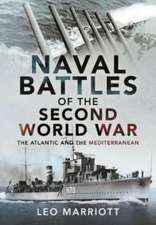 Naval Battles of the Second World WarLeo MarriottPreț: 139.89 lei
 -
 American Children Through Their BooksMonica KieferPreț: 213.03 lei
 -
 Preț: 337.47 lei
 -
 Preț: 225.53 lei
 -
 Preț: 207.20 lei
 -
 Brazil - World FrontierBenjamin H. HunnicuttPreț: 266.47 lei
 -
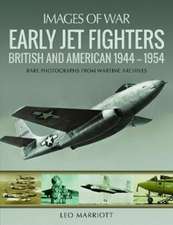 Early Jet FightersLeo MarriottPreț: 107.69 lei
 -
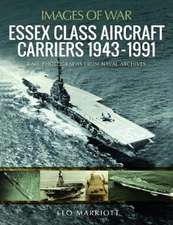 Essex Class Aircraft Carriers, 1943-1991Leo MarriottPreț: 122.44 lei
 -
 Preț: 105.38 lei
 -
 Preț: 75.12 lei
 -
 The Nine Lives of Charles E. LivelyR G YohoPreț: 172.42 lei
 -
 Preț: 210.67 lei
 -
 Preț: 122.36 lei
 -
 The journal of Alexander ChesneyE. Alfred JonesPreț: 125.34 lei
 -
 A laboratory manual of the anatomy of the ratHarrison R. HuntPreț: 112.71 lei
De ce să citești această carte
Recomandăm această carte pasionaților de istorie militară care doresc să înțeleagă geografia Bătăliei din Ardeni dincolo de text. Este un ghid vizual esențial pentru oricine intenționează să viziteze siturile istorice din Belgia și Luxemburg, oferind hărți precise și fotografii comparative care transformă lectura într-o experiență documentară aplicată pe terenul actual.
Despre autor
Leo Marriott și Simon Forty sunt autori specializați în istorie militară și tehnologie, cunoscuți pentru seria lor de succes dedicată invaziei aliate în Europa. Cei doi au colaborat la numeroase proiecte publicate de editura Casemate, axându-se pe documentarea vizuală a câmpurilor de luptă din Al Doilea Război Mondial. Leo Marriott este recunoscut și pentru expertiza sa în istoria navală și aeronautică, în timp ce Simon Forty are o vastă experiență editorială în domeniul cărților de istorie ilustrate, contribuind la popularizarea cercetării de arhivă prin formate accesibile publicului larg.