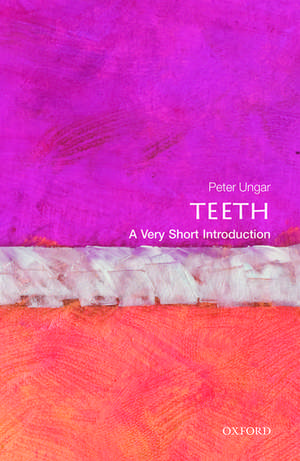
Teeth: A Very Short Introduction: Very Short Introductions
Autor Peter S. Ungaren Limba Engleză Paperback – 27 mar 2014
Analizând procesul prin care dinții au evoluat pe parcursul a 500 de milioane de ani, Teeth oferă o perspectivă riguroasă asupra modului în care aceste structuri biologice au reușit să fragmenteze țesuturile altor organisme fără a se distruge în proces. Considerăm că abordarea autorului Peter S. Ungar este esențială pentru înțelegerea biomecanicii dentare, acesta explicând cum dinții nu sunt doar simple unelte de masticare, ci indicatori preciși ai adaptării evolutive. Volumul explorează modul în care țesuturile dure s-au diversificat pentru a depăși barierele de protecție ale plantelor și animalelor consumate, oferind o privire detaliată asupra originii și funcționării lor.
Apreciem structura concisă a acestei introduceri, care reușește să sintetizeze concepte complexe de antropologie fizică și paleontologie în doar 160 de pagini, fiind completată de ilustrații relevante pentru studiul morfologiei. Cartea extinde cadrul propus de Evolution's Bite cu date noi din perspectiva istoriei naturale a mamiferelor, făcând trecerea de la analiza fosilelor la problemele clinice contemporane. Peter S. Ungar își rafinează aici cercetările anterioare din Mammal Teeth, oferind o sinteză accesibilă dar academică, ce pune în context și observațiile din Human Diet referitoare la succesul evolutiv al speciei noastre.
Descoperim aici o analiză pertinentă a modului în care dieta modernă a alterat sănătatea dentară, un subiect care leagă trecutul biologic de prezentul medical. Spre deosebire de lucrări mai tehnice precum The Teeth of Mammalian Vertebrates, acest volum prioritizează claritatea narativă și integrarea multidisciplinară, fiind un punct de plecare ideal pentru studenții la antropologie sau stomatologie.
Din seria Very Short Introductions
-
 Preț: 52.21 lei
 -
 Preț: 52.05 lei
 -
 Preț: 45.30 lei
 -
 Preț: 51.00 lei
 - 5%
 Preț: 64.72 lei
 -
 Preț: 51.19 lei
 -
 Preț: 64.74 lei
 -
 Preț: 51.69 lei
 - 20%
 Preț: 57.23 lei
 - 20%
 Preț: 56.92 lei
 - 20%
 Preț: 55.70 lei
 - 20%
 Preț: 57.19 lei
 - 20%
 Preț: 57.20 lei
 - 20%
 Preț: 57.12 lei
 - 20%
 Preț: 57.28 lei
 - 19%
 Preț: 57.62 lei
 - 20%
 Preț: 57.23 lei
 - 21%
 Preț: 55.59 lei
 - 19%
 Preț: 57.82 lei
 - 20%
 Preț: 56.99 lei
 - 20%
 Preț: 57.23 lei
 - 21%
 Preț: 54.82 lei
 - 20%
 Preț: 57.32 lei
 - 20%
 Preț: 56.62 lei
 - 20%
 Preț: 57.12 lei
 - 32%
 Preț: 48.55 lei
 - 20%
 Preț: 57.12 lei
 - 20%
 Preț: 57.12 lei
 - 20%
 Preț: 57.12 lei
 - 19%
 Preț: 57.42 lei
 - 20%
 Preț: 57.12 lei
 - 20%
 Preț: 57.32 lei
 - 20%
 Preț: 55.88 lei
 - 21%
 Preț: 55.39 lei
 - 20%
 Preț: 57.12 lei
 - 20%
 Preț: 57.12 lei
 - 19%
 Preț: 57.70 lei
 - 20%
 Preț: 56.73 lei
 - 20%
 Preț: 56.42 lei
 - 19%
 Preț: 57.62 lei
 - 20%
 Preț: 56.42 lei
 - 19%
 Preț: 57.70 lei
 - 20%
 Preț: 56.92 lei
 -
 Preț: 68.81 lei
 - 19%
 Preț: 57.70 lei
 - 19%
 Preț: 57.42 lei
 - 20%
 Preț: 57.23 lei
 - 19%
 Preț: 57.82 lei
 - 19%
 Preț: 57.82 lei
 - 20%
 Preț: 57.12 lei
Preț: 59.10 lei
Preț vechi: 72.28 lei
-18%
Carte disponibilă
Livrare economică 06-11 noiembrie
Livrare express 21-27 octombrie pentru 33.80 lei
Specificații
ISBN-10: 0199670595
Pagini: 160
Ilustrații: Approximately 30 black and white illustrations
Dimensiuni: 114 x 174 x 10 mm
Greutate: 0.23 kg
Editura: Oxford University Press
Colecția OUP Oxford
Seria Very Short Introductions
Locul publicării:Oxford, United Kingdom
V-ar putea interesa
-
 Your Inner FishNeil Shubin-5%Preț: 88.05 lei92.67 lei
 -
 SabertoothMauricio AntónPreț: 364.78 lei
 -
 The Bare BonesMatthew F Bonnan-15%Preț: 436.84 lei513.93 lei
 -
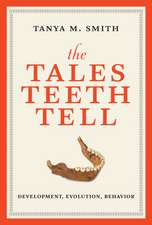 The Tales Teeth TellTanya M. SmithPreț: 283.12 lei
 -
 Functional Occlusion: From TMJ to Smile DesignPeter E. Dawson-32%Preț: 1089.04 lei1607.99 lei
 -
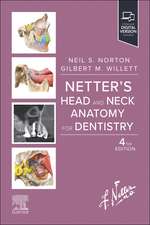 Netter's Head and Neck Anatomy for DentistryNeil S. Norton-24%Preț: 379.70 lei498.91 lei
 -
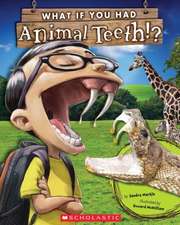 What If You Had Animal Teeth?Sandra MarklePreț: 28.84 lei
 -
 A History of Dinosaurs in 50 FossilsPaul M. Barrett-16%Preț: 111.11 lei132.94 lei
 -
 Evolution's BitePeter UngarPreț: 174.77 lei
 -
 Mammal TeethPeter S. Ungar-23%Preț: 592.40 lei769.34 lei
 -
 Evolution Changes Everything!Jorge ChamPreț: 57.20 leiRecomandat
 -
 Fossils at a Glance 2eClare MilsomPreț: 382.65 lei
 -
 The Skeleton RevealedSteve HuskeyPreț: 397.54 lei
 -
 -24%Preț: 93.26 lei123.45 lei
 -
 Tiny ToothMax AmatoPreț: 108.97 lei
 -
 Preț: 121.29 lei
 -
 BeautifulWilliam Spring-13%Preț: 125.73 lei145.02 lei
 -
 Prehistoric WildlifeLyn CouttsPreț: 60.42 lei
 -
 The Masticatory OrganProf. Dr. Rudolf Slavicek-5%Preț: 1979.22 lei2083.39 leiRecomandat
De ce să citești această carte
Recomandăm această carte oricărui cititor interesat de antropologie, biologie evoluționistă sau medicină dentară. Veți câștiga o înțelegere profundă a modului în care dinții au modelat istoria vieții pe Pământ. Este un motiv concret pentru a explora legătura dintre forma dinților și dieta speciilor, oferind totodată explicații științifice pentru problemele dentare actuale, totul într-un format compact și ușor de parcurs.
Despre autor
Peter S. Ungar este profesor de antropologie la Universitatea din Arkansas și un cercetător de renume în domeniul paleoantropologiei. Expertiza sa se concentrează pe evoluția dietei umane și a mamiferelor, fiind autorul unor lucrări de referință premiate, precum Mammal Teeth, care a primit premiul PROSE în 2010. Prin activitatea sa, Ungar a revoluționat modul în care utilizăm micro-uzura dentară și analiza chimică a smalțului pentru a reconstitui comportamentele alimentare ale strămoșilor noștri, fiind o voce autoritară în cadrul Oxford University Press.
Descriere
Notă biografică
Cuprins
- 1: Teeth matter
- 2: Types and parts of teeth
- 3: What teeth do: food and feeding
- 4: The origin of teeth and teeth in non-mammals
- 5: The evolution of teeth in mammals
- 6: Mammal teeth today
- 7: Human teeth and their history
- 8: Endless forms
- Further reading