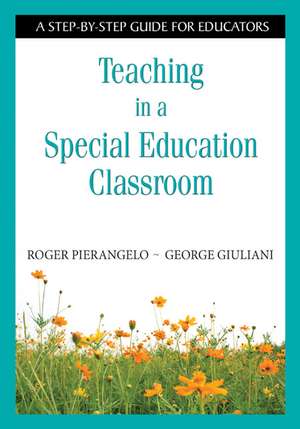
Teaching in a Special Education Classroom
Autor Roger Pierangelo, George Giulianien Limba Engleză Paperback – 22 mai 2008
Exercițiile de organizare a spațiului educațional și studiile privind adaptarea modului de răspuns al elevilor reprezintă nucleul practic al acestui volum. Teaching in a Special Education Classroom funcționează ca un manual operațional destinat cadrelor didactice care activează în săli de resurse sau clase incluzive. Găsim în această lucrare o structură riguroasă, organizată în șase etape logice: de la culegerea informațiilor medicale și educaționale înainte de prima zi de școală, până la strategii de intervenție instrucțională pentru dizabilități specifice. Reținem accentul pus pe colaborare; autorii detaliază protocoale de comunicare nu doar cu părinții, ci și cu profesorii din învățământul de masă și furnizorii de servicii conexe, esențiale pentru succesul integrării. Această lucrare completează perspectiva oferită de Common-Sense Classroom Management for Special Education Teachers, Grades K-5 de Jill A. Lindberg, adăugând o componentă critică de conformitate legislativă prin alinierea la standardele IDEA 2004 și un glosar terminologic detaliat. În contextul operei autorilor, volumul se situează la intersecția dintre managementul comportamental tratat în The Classroom Teacher's Behavior Management Toolbox și rigoarea administrativă din Understanding, Developing, and Writing Effective IEPs. Dacă lucrările anterioare ale lui Roger Pierangelo se concentrau pe nișe precum tulburările emoționale, titlul de față oferă o viziune de ansamblu asupra întregului an școlar, fiind un instrument de planificare indispensabil pentru debutanți.
Preț: 215.83 lei
Carte tipărită la comandă
Livrare economică 24 noiembrie-08 decembrie
Specificații
ISBN-10: 1412917840
Pagini: 120
Dimensiuni: 178 x 254 x 7 mm
Greutate: 0.29 kg
Ediția:1
Editura: Corwin
Locul publicării:Thousand Oaks, United States
V-ar putea interesa
-
 Identifying, Assessing, and Treating Dyslexia at SchoolCatherine Christo-5%Preț: 719.98 lei757.87 lei
 -
 Dyslexia, Dyscalculia and Mathematics: A practical guideAnne HendersonPreț: 369.63 lei
 -
 The Learning Mentor's Resource BookKathy Hampson-8%Preț: 455.67 lei495.29 lei
 -
 Preț: 265.97 lei
 -
 Inclusion Strategies for Young ChildrenLorraine O. MoorePreț: 244.08 lei
 -
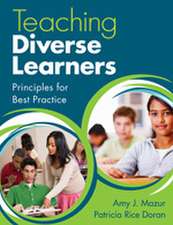 Teaching Diverse LearnersAmy J MazurPreț: 308.04 lei
 -
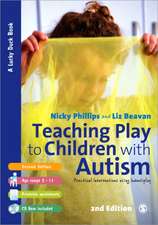 Teaching Play to Children with AutismLiz BeavanPreț: 473.22 lei
 -
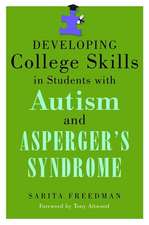 -20%Preț: 159.00 lei199.16 lei
 -
 -26%Preț: 183.98 lei248.60 lei
 -
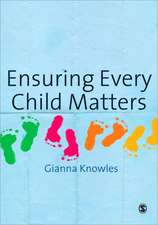 Ensuring Every Child MattersGianna KnowlesPreț: 456.86 lei
 -
 -24%Preț: 246.71 lei325.61 lei
 -
 Martian in the PlaygroundClare SainsburyPreț: 319.98 lei
De ce să citești această carte
Recomandăm această carte profesorilor de educație specială aflați la început de drum, dar și veteranilor care caută o structurare mai eficientă a proceselor administrative. Cititorul câștigă un set clar de strategii pentru gestionarea IEP-urilor și adaptarea curriculumului în funcție de nevoile specifice ale elevilor. Este un ghid esențial pentru a transforma o clasă complexă într-un mediu de învățare predictibil și productiv, respectând în același timp normele legale în vigoare.
Despre autor
Roger Pierangelo este profesor asociat în cadrul Departamentului de Educație Specială și Alfabetizare la Long Island University. Cu o experiență de peste 18 ani ca membru permanent în comisiile de educație specială și o vastă carieră în administrarea programelor dedicate copiilor cu nevoi speciale, acesta deține un doctorat la Yeshiva University. Expertiza sa este consolidată de titlul de diplomat în psihologia copilului și psihologie judiciară. Împreună cu George Giuliani, a publicat numeroase lucrări de referință care traduc legislația complexă în practici concrete pentru sala de clasă.
Descriere scurtă
Westerly School Department, RI
"The tips and strategies provided will help any teacher grow professionally."
—Teri Fechter, Specific Learning Disabilities Teacher
Franklin Elementary School, Appleton, WI
Tips and strategies for the beginning special education teacher!
Designed for professionals working in a resource room, self-contained special class, or inclusive setting, this step-by-step guide helps new teachers in special education get their careers off to a positive start and offers experienced teachers supportive information to help improve classroom practice.
Special education experts Roger Pierangelo and George Giuliani review all aspects of special education teaching, from how to get to know your students before school starts to writing end-of-the-year reports. Aligned with the reauthorization of IDEA 2004, this guidebook provides practical guidelines for appropriate classroom design, includes a complete glossary, and examines critical issues such as:
- Gathering information on students' educational history, medical background, and Individual Educational Programs (IEPs)
- Meeting with parents, aides, mainstream teachers, and service providers
- Addressing and evaluating factors that affect learners' performance and adapting the curriculum
- Managing a classroom of students with specific disabilities and applying instructional interventions
- Understanding grading options
Teaching in a Special Education Classroom offers straightforward advice to make the school year more productive for you and your students.
Recenzii
"An extensive overview of what to expect as a beginning special education teacher. This book would have been useful at the beginning of my career."
“Provides a great deal of useful information in one concise book. The tips and strategies provided will help any teacher grow professionally.”
“Probably one of the best books I’ve read that guides special educators from the beginning of the year to the end.”
Cuprins
Acknowledgments
About the Authors
Step I. What to Do Before the Start of School
Getting to Know Your Students
Step II. Designing and Setting Up Your Classroom
Classroom Design
Setting Up Your Classroom
Evaluating Existing Materials
Step III. Meeting With Parents and Staff Members
Communicating With Parents
Meeting With Your Assistant Teacher or Aide
Communicating With Related Service Providers
Communicating With Your Regular Education Teachers
Communicating With the Mainstreamed Class and Teachers
Step IV. Factors Affecting Curriculum Performance for Students With Special Needs
Introduction
Factors Affecting Curriculum for Children With Special Needs
Step V. Adapting the Curriculum for Students With Special Needs
What Are Curriculum Adaptations?
Examples of Curriculum Adaptation
Ways to Adapt the Curriculum
Adapting Response Mode
Step VI. Classroom Management of Children With Specific Disabilities
Students With Learning Disabilities
Students With Mental Retardation
Students With Emotional Disabilities
Students With Attention Deficit/Hyperactive Disorder
Step VII. Applying Instructional Interventions for Specific Behaviors Exhibited in the Classroom by Students With Emotional and/or Behavioral Disorders
Instructional Interventions for Attendance Problems
Instructional Interventions for Difficulty With Transitions
Instructional Interventions for Disrespect to Teachers
Instructional Interventions for Classroom Disruption
Instructional Interventions for Failure to Accept Responsibility for Own Behavior and/or Consequences for Misbehavior
Instructional Interventions for Interpersonal Relationships With Peers
Instructional Interventions for Out-of-Control Behaviors
Instructional Interventions for Passive Resistance
Instructional Interventions for Not Respecting Property or Personal Space of Others
Instructional Interventions for Verbal Aggression
Instructional Interventions for Verbal Outbursts
Step VIII. Understanding Grading Options for Students With Special Needs
Grading Approaches
Reporting to Parents
Step IX. Developing Educational Treatment Plans for Your Students
Step X. End-of-School-Year Responsibilities
Triennial Evaluation Reports
Annual Review Meetings
Declassification Consideration and Procedures
Extended-School-Year Services
End-of-the-Year Reports
References
Glossary
Index
Notă biografică
Pierangelo earned his BS degree from St. John¿s University, his MS from Queens College, Professional Diploma from Queens College, PhD from Yeshiva University, and Diplomate Fellow in Child and Adolescent Psychology and Forensic Psychology from the International College of Professional Psychology. He is a member of the American Psychological Association, New York State Psychological Association, Nassau County Psychological Association, New York State Union of Teachers, and Phi Delta Kappa.
Pierangelo is the coauthor of numerous books, including The Big Book of Special Education Resources and The Step-by-Step Book Series for Special Educators.