Cantitate/Preț
Produs

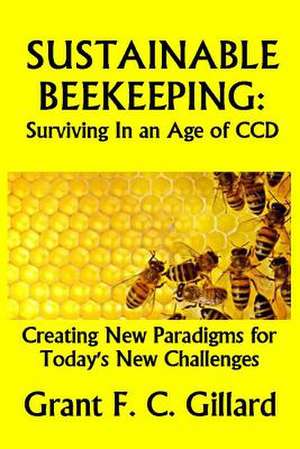
Sustainable Beekeeping

Autor Grant F. C. Gillard
en Limba Engleză Paperback

Apreciem că apicultura modernă a depășit stadiul de simplu hobby, devenind o formă de rezistență ecologică. Sustainable Beekeeping este structurată ca un ghid de supraviețuire pentru apicultorul contemporan, organizând soluțiile practice în funcție de provocările sezoniere, nivelul de complexitate al intervențiilor și resursele materiale necesare pentru a menține o colonie sănătoasă. Grant F. C. Gillard, care practică apicultura comercială încă din 1981, propune o schimbare de paradigmă: trecerea de la metodele extractive la un model bazat pe reziliență și auto-suficiență.

Suntem de părere că forța acestui volum rezidă în onestitatea sa radicală. Autorul nu oferă soluții magice împotriva acarianului Varroa, ci analizează critic utilizarea stupilor de tip Warre sau Top Bar prin prisma realităților dure: deșerturile verzi create de monoculturi și impactul pesticidelor sistemice. Pe aceeași linie cu Natural Beekeeping de Ross Conrad, lucrarea de față pledează pentru reducerea intervențiilor chimice, dar se diferențiază printr-un pragmatism comercial accentuat, oferind strategii concrete pentru creșterea propriilor mătci și gestionarea pierderilor inevitabile.

În contextul operei sale, dacă în Beekeeping 101 Grant F. C. Gillard punea bazele teoretice pentru începători, iar în Free Bees! explora latura economică, în acest titlu el atinge maturitatea filosofică. Este un manual care nu se mulțumește să explice biologia albinei, ci investighează cum putem proteja acest polenizator vital într-un peisaj dominat de beton și agricultura industrială. Ritmul narativ este unul echilibrat, îmbinând rigoarea tehnică a unui manual de întreținere cu o viziune aspirațională despre viitorul ecosistemului nostru.

Citește tot Restrânge

Preț: 16848 lei

Puncte Express: 253

Carte disponibilă

Livrare economică 06-20 octombrie

Livrare prin curier în România Termenul estimat este afișat lângă disponibilitate.
Transport gratuit de la 40000 lei Plată online sau ramburs, în funcție de opțiunile comenzii.
Retur gratuit în 14 zile Comandă securizată și suport în română.

Specificații

ISBN-13: 9781494277376
ISBN-10: 1494277379
Pagini: 454
Dimensiuni: 152 x 229 x 23 mm
Greutate: 0.6 kg
Editura: CREATESPACE

De ce să citești această carte

Recomandăm această carte oricărui apicultor care s-a simțit descurajat de pierderea coloniilor în ultimii ani. Veți câștiga o perspectivă realistă asupra sustenabilității, învățând să deveniți independenți prin producția proprie de mătci și nuclee. Este o lectură esențială pentru cei care doresc să treacă de la apicultura convențională la un model ecologic rezistent, adaptat provocărilor climatice și chimice actuale, fără a sacrifica viabilitatea economică a stupinei.


Descriere scurtă

There is more to beekeeping than simply keeping bees. Honey bees face threats from Colony Collapse Disorder, systemic pesticides and GMO crops. It's becoming more difficult to keep honey bees, and next to impossible to keep those bees alive How do we survive in this challenging age? Grant F. C. Gillard, a small-scale commercial beekeeper since 1981, shares his insights and philosophies, his field-tested ideas and sustainable methods on how to hang tough, to persevere in the face of adversity, to run and not grow weary, to walk and not faint. It's tough out there; tougher than you may think; tougher than we want to admit. The present response brings us the ideals of treatment-free beekeeping, natural and organic beekeeping, ecological beekeeping, even biodynamic beekeeping. We're giving Warre Hives and Top Bar Hives serious consideration. But sadly, even these less intensive methods of keeping bees face the same challenges as the commercial, conventional and traditional methods of keeping bees in Langstroth hives. Suburban homeowners chemically sanitize meticulously manicured lawns. Burgeoning expanses of asphalt and concrete gobble up formerly lush meadows of forage, clover and wildflowers. Systemic pesticides abound, poisoning our air, water and soil. Monocultured GMO crops proliferate from horizon to horizon in weed-free sterility, creating green deserts nutritionally devoid of floral diversity. We're plowing up fence rows, destroying vital habitat and endangering a fragile ecosystem already stressed by our incessant hunger to feed a starving planet. Ironically, such progress imperils our honey bees, these persistent pollinators that make as much as one-third of our food possible. A honey bee's daily existence perilously balances above an abyss, her simple tasks becoming a precarious ordeal simply to survive. Even seasoned beekeepers, caught by the shrapnel of this ecological assault, stagger and stumble amid paths strewn with unaccounted collateral damage. No one is immune and an uncertain future holds our food supply hostage. We need the bees, and we need the beekeepers. In the struggle to keep our hives alive, what are the workable solutions we can put into action to help us keep on keeping bees? What are the sustainable management practices that transcend our choice of how we keep our bees? How do I, as an individual beekeeper, become more self-reliant, resistant and resilient with respect to raising my own queens, replacement nucs...and how do I personally sustain myself amid all the disappointments, frustrations and dying hives every beekeeper faces in these difficult times? How do I have hope and not lose heart? We approach natural beekeeping and treatment-free methods, top bar hives and Warre hives as exemplars and prototypes to preserve for future generations the sacred practice of keeping honey bees. We search for that mythically elusive "silver bullet," the Holy Grail against our old nemesis, the varroa mite. For all our efforts, solutions evade us. We need a little hope, and a lot more optimism, but those alone won't keep our bees from dying. Inarguably, we need the honey bee, not just for honey but for the miraculous act of pollination that contributes to 1/3 of our food supply. We need more beekeepers willing to step up to the front lines in this battle, but we need to empower and enable them to continue. We need to give them the weaponry to succeed. We need fewer former beekeepers with vacant, used equipment hoping for "some day when..." In this day and age of CCD and our struggles to keep hives alive, what are the practical steps to keep us keeping honey bees? What can we do to minimize the variables which befuddle and scatter? How do we weather the factors beyond our control, the outside influences of weather and availability of resources?