Cantitate/Preț
Produs

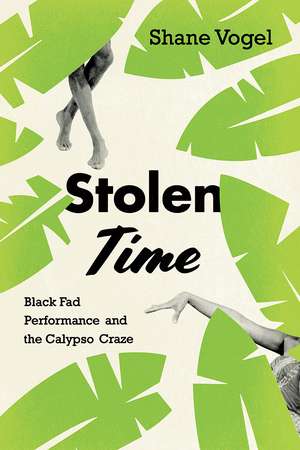
Stolen Time: Black Fad Performance and the Calypso Craze

Autor Shane Vogel
en Limba Engleză Paperback – 7 sep 2018

Considerăm că Stolen Time reprezintă o contribuție esențială la intersecția dintre istoria culturală, studiile de performanță și sociologia rasei, oferind o analiză riguroasă a fenomenului „calypso craze” din Statele Unite ale anilor '50. Autorul Shane Vogel propune o perspectivă interdisciplinară, examinând modul în care muzica, televiziunea, teatrul de pe Broadway și dansul modern au fuzionat pentru a crea un moment cultural unic, dominat de succesul comercial fără precedent al lui Harry Belafonte. Merită menționat că lucrarea nu se limitează la o simplă cronică muzicală, ci introduce conceptul inovator de „black fad performance” pentru a explica modul în care artiștii de culoare au navigat între cerințele pieței de masă și subversiunea stereotipurilor rasiale.

Notăm cu interes modul în care Vogel extinde cadrul propus de Rhythm and Blues Goes Calypso de Timothy Dodge cu date noi din perioada Jim Crow, demonstrând că artiștii de culoare au ales strategic să adopte „kitsch-ul calypso” în locul unei autenticități imposibile. Această abordare continuă preocupările autorului din lucrări anterioare precum Race and Performance After Repetition și The Scene of Harlem Cabaret, unde acesta a explorat relația complexă dintre timp, repetiție și identitate rasială în spațiile de divertisment.

Structura volumului reflectă o progresie logică, de la fundamentarea ontologică a conceptului de „fad” (modă trecătoare) în primul capitol, până la studii de caz aplicate asupra tehnologiei cinematografice, teatrului lui Duke Ellington și coregrafiilor lui Geoffrey Holder. Această organizare permite cititorului să înțeleagă cum un gen muzical aparent efemer a devenit un instrument de critică la adresa noțiunilor americane de autenticitate, transformând „furtul” cultural într-o formă de rezistență intelectuală.

Citește tot Restrânge

Preț: 21627 lei

Puncte Express: 324

Carte disponibilă

Livrare economică 08-22 mai
Livrare express 23-29 aprilie pentru 2525 lei


Specificații

ISBN-13: 9780226568447
ISBN-10: 022656844X
Pagini: 272
Ilustrații: 35 halftones
Dimensiuni: 152 x 229 x 20 mm
Greutate: 0.37 kg
Ediția:First Edition
Editura: University of Chicago Press
Colecția University of Chicago Press

De ce să citești această carte

Recomandăm această lucrare cercetătorilor și studenților interesați de evoluția culturii de masă americane. Cititorul va descoperi cum succesul comercial al calypso-ului a servit drept paravan pentru o critică socială subtilă. Este un studiu fascinant despre cum artiștii pot manipula așteptările publicului pentru a chestiona însuși conceptul de rasă, totul în contextul industriei de divertisment din secolul XX.


Despre autor

Shane Vogel este un cercetător specializat în studii de performanță și literatură, cu un interes academic profund pentru istoria culturală afro-americană. În opera sa, Vogel explorează frecvent intersecțiile dintre spațiile de divertisment (precum cabaretele din Harlem) și politicile de identitate. Lucrările sale anterioare, printre care The Scene of Harlem Cabaret, s-au concentrat pe modul în care teatrul și viața de noapte au testat limitele rasiale și sexuale ale societății americane. Prin Stolen Time, publicată la University of Chicago Press, el își consolidează poziția de expert în analiza modului în care performanța artistică poate deconstrui structurile de putere istorice.


Descriere scurtă

In 1956 Harry Belafonte’s Calypso became the first LP to sell more than a million copies. For a few fleeting months, calypso music was the top-selling genre in the US—it even threatened to supplant rock and roll. Stolen Time provides a vivid cultural history of this moment and outlines a new framework—black fad performance—for understanding race, performance, and mass culture in the twentieth century United States. Vogel situates the calypso craze within a cycle of cultural appropriation, including the ragtime craze of 1890s and the Negro vogue of the 1920s, that encapsulates the culture of the Jim Crow era. He follows the fad as it moves defiantly away from any attempt at authenticity and shamelessly embraces calypso kitsch. Although white calypso performers were indeed complicit in a kind of imperialist theft of Trinidadian music and dance, Vogel argues, black calypso craze performers enacted a different, and subtly subversive, kind of theft. They appropriated not Caribbean culture itself, but the US version of it—and in so doing, they mocked American notions of racial authenticity. From musical recordings, nightclub acts, and television broadcasts to Broadway musicals, film, and modern dance, he shows how performers seized the ephemeral opportunities of the fad to comment on black cultural history and even question the meaning of race itself.

Notă biografică

Shane Vogel is professor of English and African American studies at Yale University.

Cuprins

Acknowledgments

Introduction: This and That, or, Swiped Calypsos

1          Stolen Time: The Ontology of Black Fad Performance
2          The Calypso Program: Technology, Performance, Cinema
3          Carnivalizing Jazz: Duke Ellington’s Calypso Theater and the Diasporic Instant
4          Surfacing the Caribbean: Black Broadway and Mock Transnational Performance
5          Working against the Music: Geoffrey Holder’s Elsewhen

Conclusion: Don’t Stop the Carnival
 
Notes
Index

Recenzii

Stolen Time is beautifully written and beautifully argued. It is not only excellent scholarship, profound in its implications for African American studies, performance studies, media studies, and other fields, but also exemplary scholarship. . . . A significant contribution to an understanding of the racial politics and cultural logics of authenticity, particularly as they have affected black performers. . . . In his close textual analyses, which are a feature of every chapter, Vogel produces insights from the (seemingly) ephemeral or culturally inauthentic.”

“Vogel’s interrogation of the historical-ontological situation of black fad performance brilliantly recalibrates the field of black performance studies and offers added dimension to its studies of representation and resistance. With its exacting depth and ambitious breadth, Stolen Time will be a consequential book for scholars of performance studies, black studies, popular music studies, media studies, and midcentury cultural history.”

“Recommended. . . The book's five dense chapters detail theoretical concepts of stolen time, critical solipsism, radical counterprogramming, mock transnational performance, and the phantom gestures and “temporal elsewhen” evoked through dance. Close readings of “counterfeit” performances by Lena Horne, Maya Angelou, Josephine Premice, Geoffrey Holder, and Duke Ellington offer insight into “the development of diasporic consciousness ... as African American performers self-reflexively and circuitously engaged with Caribbean performance tradition.” Vogel ends with a poignant description of Harry Belafonte’s rendition of “Don’t Stop the Carnival"—created for The Smothers Brothers Comedy Hour with overtly politicized imagery and lyric content—which reveals “an emancipatory aesthetics and historical consciousness” always present in black fad performance.”

"An impressive book that addresses the artistic and expressive responses of black performers toward the commodification of calypso music during the 1950s. . . . The book is as much a critical intervention into the discourse on blackness in 1950s American popular culture as it is about black fad performance cycles and the reclamation of power through stolen time. . . . Stolen Time, as text and concept, performs a call to arms to scholars of various fields to engage in more collaborative research that is neither defined by nor confined to disciplinary boundaries. As we see in his exploration of the plurality of blackness, such work has great implications for future research in black studies, Caribbean studies, Afro-diasporic studies, performance studies, and more."

"Stolen Time is thoroughly enjoyable and brings forward a much-needed history of Black fad performances as represented in calypso music. . . . A significant contribution to the study of Black musical fads. . . Rigorously original."

“One of the boldest and most original studies of race and transnational mass culture in recent memory. Stolen Time promises to break wide open new directions in performance studies, cultural studies, black diaspora studies, and beyond.”

Stolen Time provides the first book-length study of the black calypso craze, breaking new and important scholarly ground. Meticulously researched, clearly written, and forcefully argued, Stolen Time demonstrates how mass culture expands conceptions of black freedom and possibility.Vogel provides original insight to the calypso craze while advancing existing conversations in black cultural, literary, and performance studies about mid-twentieth-century popular culturalproduction. Essential reading.”

“Vogel deftly reads performances across a range of modes including sound recordings, nightclub acts, television specials, musical theater, film, and dance...With the diversity of performance texts that form the bases of Vogel’s critical inquiry, this work seamlessly traverses disciplinary boundaries which will make it of particular interest to scholars of performance, critical race, diaspora, literary, film, media, and sound studies.”

“Thoughtfully researched and compellingly written. . . Especially striking throughout Stolen Time is Vogel’s skillful weaving of history, biography, theory, and critical inquiry to contemplate the significance of the calypso craze and the ontological conditions of black fad performance. The book is rich with fresh insights and important methodological interventions that add complexity to our understandings of concepts such as race, time, performance, diaspora, transnationalism, and mass culture. Students and scholars across myriad fields—theater studies, performance studies, media studies, popular music, and critical race studies, among them—will no doubt benefit tremendously from rigorously engaging with each chapter. To be sure, there is much to be gleaned about the significant role that artists continue to play in prompting social, cultural, and political change from Stolen Time’s absorbing prose and its shrewd considerations of black performance in the Jim Crow era.”