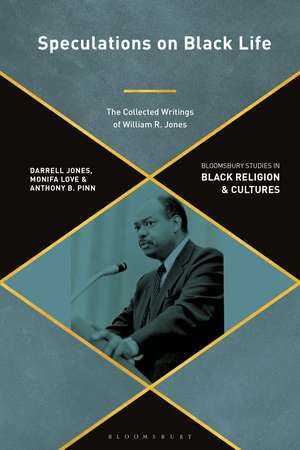
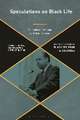
Speculations on Black Life: The Collected Writings of William R. Jones: Bloomsbury Studies in Black Religion and Cultures
Editat de Darrell Jones, Monifa Love, Anthony B. Pinnen Limba Engleză Hardback – 18 mai 2023
Over the course of 30 years, Jones pushed questions and considerations that refined Black theology and that gave greater shape to and understanding of Black philosophers' intervention into issues of racial and structural inequality. His philosophical work, related to the grid of oppression, fosters an approach to the nature and meaning of oppression in the United States, encouraging rational interrogation of structures of injustice and thought patterns supporting those structures.
Still relevant today, the straightforward style of communication used by Jones makes these essays easily accessible to a popular audience, while maintaining intellectual rigor, making the book also suitable for an academy-based audience.




Preț: 525.68 lei
Preț vechi: 837.37 lei
-37%
Puncte Express: 789
Carte disponibilă
Livrare economică 22 iulie-05 august
Livrare express 08-14 iulie pentru 193.24 lei
Livrare prin curier în România Termenul estimat este afișat lângă disponibilitate.
Transport gratuit pentru acest produs Plată online sau ramburs, în funcție de opțiunile comenzii.
Retur gratuit în 14 zile Comandă securizată și suport în română.
Specificații
ISBN-13: 9781350338746
ISBN-10: 1350338745
Pagini: 240
Ilustrații: 10 bw illus
Dimensiuni: 238 x 164 x 20 mm
Greutate: 0.52 kg
Editura: Bloomsbury Publishing
Colecția Bloomsbury Academic
Seria Bloomsbury Studies in Black Religion and Cultures
Locul publicării:London, United Kingdom
ISBN-10: 1350338745
Pagini: 240
Ilustrații: 10 bw illus
Dimensiuni: 238 x 164 x 20 mm
Greutate: 0.52 kg
Editura: Bloomsbury Publishing
Colecția Bloomsbury Academic
Seria Bloomsbury Studies in Black Religion and Cultures
Locul publicării:London, United Kingdom
Cuprins
Foreword. Peter Paris, Princeton Theological Seminary, USA
Introduction Monifa Love, Bowie State University, USA
Part I. (Black) Humanism
1. Black Power and Unitarianism: A Personal View [1967]
2. Theism and Religious Humanism: The Chasm Narrows [1975]
3. The Concept of Functional Authority in Religious Humanism [1978]
4. The Case for Black Humanism [1978]
5. Religious Humanism: Its Problems and Prospects in Black Religion and Culture [1979]
6. Toward a UU Concept of Authority [1979]
7. Is Faith in God Necessary for a Just Society? [1987]
8. Oppression, Race, and Humanism (Skinner House Volume) [1992]
Part II. Theology and Philosophy
9. Theodicy and Methodology in Black Theology: A Critique of Washington, Cone and Cleage [1971]
10. Reconciliation and Liberation in Black Theology [1972]
11. Toward an Interim Assessment of Black Theology [1972]
12. Theodicy: The Controlling Category for Black Theology [1973]
13. Crisis in Philosophy: The Black Presence [1973]
14. Toward a Black Theology [1974]
15. Theological Response: The Church and Urban Policy [1978]
16. Toward a Humanist Framework for Black Theology, in Black Theology II [1978]
17. The Legitimacy and Necessity of Black Philosophy [1978]
18. Liberation Strategies in Black Theology: Mao, Martin, or Malcolm? [1983]
19. The Religious Legitimation of Counterviolence: Insights from Latin American Liberation Theology [1987]
20. Purpose and Method in Liberation Theology: Implications for an Interim Assessment [1987]
21. Coping with the Four R's: Reading, 'Riting, 'Rithmetic, and Racism: Insights from Liberation Theology [1987]
22. Process Theology: Guardian of the Oppressor or Goad to the Oppressed: An Interim Assessment [1989]
Part III. The Politics of Race
23. Power and Anti-Power [1977]
24. Towards a Norm for Assessing the Christianization of Africa [1981]
25. Moral Decision-Making in the Post-Modern World: Implications for Unitarian-Universalist Religious Education [1985]
26. Religion as Legitimator and Liberator: Insights from the Underclass for Public Policy [1987]
27. Guidelines for the Diagnosis of Social Reality in America [1988]
28. Hypocrisy, Bibliogracy, and Democracy [1993]
29. The Disguise of Discrimination [1995]
30. Towards a New Paradigm for Uncovering Neo-racism in American Institutions [2003]
Part IV. Critical Reflection on Jones' Writings
Essay One. Anthony Pinn, Rice University, USA
Essay Two. Jamil Drake, Florida State University, USA
Essay Three. Jawole Zollar, MacArthur award-winning dance choreographer
Essay Four. Brittany O'Neal, Lehman College, USA
Afterword. Darrell Jones, Columbia College, Chicago, USA
Bibliography
Index
Introduction Monifa Love, Bowie State University, USA
Part I. (Black) Humanism
1. Black Power and Unitarianism: A Personal View [1967]
2. Theism and Religious Humanism: The Chasm Narrows [1975]
3. The Concept of Functional Authority in Religious Humanism [1978]
4. The Case for Black Humanism [1978]
5. Religious Humanism: Its Problems and Prospects in Black Religion and Culture [1979]
6. Toward a UU Concept of Authority [1979]
7. Is Faith in God Necessary for a Just Society? [1987]
8. Oppression, Race, and Humanism (Skinner House Volume) [1992]
Part II. Theology and Philosophy
9. Theodicy and Methodology in Black Theology: A Critique of Washington, Cone and Cleage [1971]
10. Reconciliation and Liberation in Black Theology [1972]
11. Toward an Interim Assessment of Black Theology [1972]
12. Theodicy: The Controlling Category for Black Theology [1973]
13. Crisis in Philosophy: The Black Presence [1973]
14. Toward a Black Theology [1974]
15. Theological Response: The Church and Urban Policy [1978]
16. Toward a Humanist Framework for Black Theology, in Black Theology II [1978]
17. The Legitimacy and Necessity of Black Philosophy [1978]
18. Liberation Strategies in Black Theology: Mao, Martin, or Malcolm? [1983]
19. The Religious Legitimation of Counterviolence: Insights from Latin American Liberation Theology [1987]
20. Purpose and Method in Liberation Theology: Implications for an Interim Assessment [1987]
21. Coping with the Four R's: Reading, 'Riting, 'Rithmetic, and Racism: Insights from Liberation Theology [1987]
22. Process Theology: Guardian of the Oppressor or Goad to the Oppressed: An Interim Assessment [1989]
Part III. The Politics of Race
23. Power and Anti-Power [1977]
24. Towards a Norm for Assessing the Christianization of Africa [1981]
25. Moral Decision-Making in the Post-Modern World: Implications for Unitarian-Universalist Religious Education [1985]
26. Religion as Legitimator and Liberator: Insights from the Underclass for Public Policy [1987]
27. Guidelines for the Diagnosis of Social Reality in America [1988]
28. Hypocrisy, Bibliogracy, and Democracy [1993]
29. The Disguise of Discrimination [1995]
30. Towards a New Paradigm for Uncovering Neo-racism in American Institutions [2003]
Part IV. Critical Reflection on Jones' Writings
Essay One. Anthony Pinn, Rice University, USA
Essay Two. Jamil Drake, Florida State University, USA
Essay Three. Jawole Zollar, MacArthur award-winning dance choreographer
Essay Four. Brittany O'Neal, Lehman College, USA
Afterword. Darrell Jones, Columbia College, Chicago, USA
Bibliography
Index
Recenzii
This important text, Speculations on Black Life: The Collected Writings of Willam R. Jones, is a major work of memory which keeps alive the philosophical contribution of William R. Jones to the study of Black religion and culture and Black liberation theology ... a testament to relentless, unromantic, and committed philosophical, religious, and cultural criticism.
In this time of rising authoritarianism, white nationalism, and white supremacy, this collection of essays provides the background to Dr. William Jones' creative and critical methods for elucidating the structural injustice that shapes our world. With this resource, we can better live out his legacy of addressing the ongoing mutations of racial injustice, and his vision of co-equal freedom, authority and power.
In this time of rising authoritarianism, white nationalism, and white supremacy, this collection of essays provides the background to Dr. William Jones' creative and critical methods for elucidating the structural injustice that shapes our world. With this resource, we can better live out his legacy of addressing the ongoing mutations of racial injustice, and his vision of co-equal freedom, authority and power.