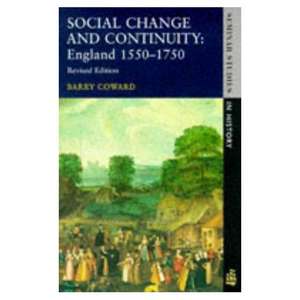
Social Change and Continuity: England 1550-1750: Seminar Studies
Autor Barry Cowarden Limba Engleză Paperback – 30 iun 1997
Din seria Seminar Studies
-
 Preț: 377.49 lei
 -
 Preț: 371.94 lei
 -
 Preț: 363.40 lei
 -
 Preț: 414.01 lei
 -
 Preț: 341.26 lei
 -
 Preț: 378.44 lei
 -
 Preț: 381.47 lei
 -
 Preț: 403.52 lei
 -
 Preț: 377.68 lei
 -
 Preț: 490.74 lei
 -
 Preț: 400.00 lei
 -
 Preț: 370.64 lei
 -
 Preț: 370.75 lei
 -
 Preț: 416.86 lei
 -
 Preț: 377.37 lei
 -
 Preț: 409.68 lei
 -
 Preț: 403.52 lei
 -
 Preț: 390.32 lei
 - 15%
 Preț: 445.39 lei
 -
 Preț: 401.07 lei
 -
 Preț: 407.04 lei
 -
 Preț: 418.86 lei
 -
 Preț: 376.09 lei
 -
 Preț: 434.10 lei
 -
 Preț: 286.00 lei
 -
 Preț: 399.31 lei
 -
 Preț: 410.69 lei
 -
 Preț: 392.24 lei
 -
 Preț: 377.96 lei
 -
 Preț: 394.55 lei
 -
 Preț: 377.24 lei
 -
 Preț: 378.92 lei
 -
 Preț: 410.57 lei
 -
 Preț: 369.11 lei
 -
 Preț: 404.56 lei
 -
 Preț: 456.91 lei
 -
 Preț: 401.07 lei
 -
 Preț: 370.05 lei
 - 8%
 Preț: 441.32 lei
 -
 Preț: 405.33 lei
 -
 Preț: 443.13 lei
 -
 Preț: 374.85 lei
 -
 Preț: 404.32 lei
 -
 Preț: 437.63 lei
 -
 Preț: 413.32 lei
 -
 Preț: 419.85 lei
 -
 Preț: 412.21 lei
 -
 Preț: 377.12 lei
 -
 Preț: 393.30 lei
Preț: 254.21 lei
Puncte Express: 381
Carte tipărită la comandă
Livrare economică 08-22 decembrie
Livrare prin curier în România Termenul estimat este afișat lângă disponibilitate.
Transport gratuit de la 400.00 lei Plată online sau ramburs, în funcție de opțiunile comenzii.
Retur gratuit în 14 zile Comandă securizată și suport în română.
Specificații
ISBN-13: 9780582294424
ISBN-10: 0582294428
Pagini: 160
Dimensiuni: 138 x 216 x 10 mm
Greutate: 0.3 kg
Ediția:Revizuită
Editura: Taylor & Francis
Colecția Routledge
Seria Seminar Studies
Locul publicării:Oxford, United Kingdom
ISBN-10: 0582294428
Pagini: 160
Dimensiuni: 138 x 216 x 10 mm
Greutate: 0.3 kg
Ediția:Revizuită
Editura: Taylor & Francis
Colecția Routledge
Seria Seminar Studies
Locul publicării:Oxford, United Kingdom
V-ar putea interesa
-
 Victoria's MadmenC. BloomPreț: 310.80 lei
 -
 -37%Preț: 46.45 lei73.49 lei
 -
 Preț: 471.78 lei
 -
 ChurchillKeith RobbinsPreț: 479.86 lei
 -
 No Gods and Precious Few HeroesChristopher Harvie-10%Preț: 129.15 lei143.60 lei
 -
 Radical Reformers and Respectable RebelsJ. RobsonPreț: 244.33 lei
 -
 -22%Preț: 46.52 lei59.65 lei
 -
 -23%Preț: 73.20 lei95.59 lei
 -
 Elizabeth's BedfellowsAnna Whitelock-25%Preț: 81.01 lei108.72 lei
 -
 British Prime MinistersRobert J. ParkerPreț: 70.10 lei
 -
 A Short History of the English Revolution and the Civil WarsProf David J. Appleby-10%Preț: 112.23 lei124.29 lei
Cuprins
Part One: The Structure of Early Modern English Society.
1. The Social Order in Early Modern England.
2. Geographical Mobility.
3. An Agrarian Society.
4. Contrasting Communities.
5. Family and Kinship.
6. Local Communities and the Nation.
Part Two: Changing Material Conditions
7. Population Fluctuations and Changing Social Fortunes.
8. Poverty and Dearth.
9. Affluence and Prosperity.
Part Three: Changing Ideas
10. Education and Literacy.
11. The Impact of Protestantism.
12. The Scientific Revolution.
Part Four: Documents.
Bibliography.
Index.
1. The Social Order in Early Modern England.
2. Geographical Mobility.
3. An Agrarian Society.
4. Contrasting Communities.
5. Family and Kinship.
6. Local Communities and the Nation.
Part Two: Changing Material Conditions
7. Population Fluctuations and Changing Social Fortunes.
8. Poverty and Dearth.
9. Affluence and Prosperity.
Part Three: Changing Ideas
10. Education and Literacy.
11. The Impact of Protestantism.
12. The Scientific Revolution.
Part Four: Documents.
Bibliography.
Index.
Descriere
Barry Coward has revised his wide-ranging text which outlines the major social changes that occurred in England in the two hundred years after the Reformation. He examines the religious and intellectual changes resulting from revolutionary pressures and he considers the impact of rapid inflation and population expansion that occurred in the later sixteenth and early seventeenth centuries.