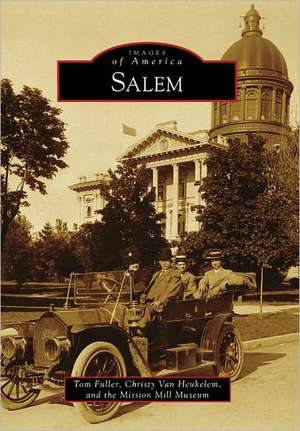
Salem: Images of America (Arcadia Publishing)
Autor Tom Fuller, Christy Van Heukelem, Mission Mill Museumen Limba Engleză Paperback – 31 mai 2009
Din seria Images of America (Arcadia Publishing)
-
 Preț: 133.56 lei
 -
 Preț: 132.32 lei
 -
 Preț: 131.91 lei
 -
 Preț: 136.47 lei
 -
 Preț: 136.47 lei
 -
 Preț: 133.38 lei
 -
 Preț: 132.32 lei
 -
 Preț: 133.38 lei
 -
 Preț: 133.38 lei
 -
 Preț: 133.78 lei
 -
 Preț: 131.28 lei
 -
 Preț: 133.38 lei
 -
 Preț: 133.38 lei
 -
 Preț: 132.32 lei
 -
 Preț: 133.14 lei
 -
 Preț: 132.32 lei
 -
 Preț: 133.38 lei
 -
 Preț: 133.38 lei
 -
 Preț: 127.77 lei
 -
 Preț: 133.78 lei
 -
 Preț: 131.28 lei
 -
 Preț: 132.32 lei
 -
 Preț: 174.74 lei
 -
 Preț: 133.38 lei
Preț: 133.38 lei
Puncte Express: 200
Carte disponibilă
Livrare economică 26 septembrie-10 octombrie
Livrare prin curier în România Termenul estimat este afișat lângă disponibilitate.
Transport gratuit de la 400.00 lei Plată online sau ramburs, în funcție de opțiunile comenzii.
Retur gratuit în 14 zile Comandă securizată și suport în română.
Specificații
ISBN-13: 9780738571393
ISBN-10: 0738571393
Pagini: 127
Dimensiuni: 170 x 241 x 10 mm
Greutate: 0.32 kg
Editura: Arcadia Publishing (SC)
Seria Images of America (Arcadia Publishing)
ISBN-10: 0738571393
Pagini: 127
Dimensiuni: 170 x 241 x 10 mm
Greutate: 0.32 kg
Editura: Arcadia Publishing (SC)
Seria Images of America (Arcadia Publishing)
Descriere
Long before the city of Salem got its name, the lush valley was a favorite winter camping location for the Kalapuya tribe. Jason Lee first ventured to Oregon in 1834, at the invitation of Northwest tribes, creating a mission and a settlement here. Native Americans called it aChemeketa.a William H. Willson, who laid out the city plan in 1851, called it aSalem.a Both words mean apeace.a Salemas central location, in the middle of the Willamette Valleyas agricultural belt, made it an ideal location for the new capital of Oregon. Since then, Salemas character has largely been influenced by the presence of woolen mills, crop production, and many state institutions. Surviving devastating floods and fires in all three state capitol buildings, Salem and its people have a history of resilience, leadership, and public service.