Cărți de Rudolf Steiner
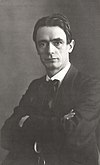
Rudolf Joseph Lorenz Steiner (27 or 25 February 1861 – 30 March 1925) was an Austrian occultist philosopher, social reformer, architect, esotericist, and claimed clairvoyant. Steiner gained initial recognition at the end of the nineteenth century as a literary critic and published philosophical works including The Philosophy of Freedom. At the beginning of the twentieth century he founded an esoteric spiritual movement, anthroposophy, with roots in German idealist philosophy and theosophy; other influences include Goethean science and Rosicrucianism. His ideas are largely pseudoscientific. Others call them parascience. He was also prone to pseudohistory.
In the first, more philosophically oriented phase of this movement, Steiner attempted to find a synthesis between science and spirituality. His philosophical work of these years, which he termed "spiritual science", sought to apply the clarity of thinking characteristic of Western philosophy to spiritual questions,: 291 differentiating this approach from what he considered to be vaguer approaches to mysticism. In a second phase, beginning around 1907, he began working collaboratively in a variety of artistic media, including drama, the movement arts (developing a new artistic form, eurythmy) and architecture, culminating in the building of the Goetheanum, a cultural centre to house all the arts. In the third phase of his work, beginning after World War I, Steiner worked to establish various practical endeavors, including Waldorf education, biodynamic agriculture, and anthroposophical medicine.
Steiner advocated a form of ethical individualism, to which he later brought a more explicitly spiritual approach. He based his epistemology on Johann Wolfgang Goethe's world view, in which "thinking… is no more and no less an organ of perception than the eye or ear. Just as the eye perceives colours and the ear sounds, so thinking perceives ideas." A consistent thread that runs from his earliest philosophical phase through his later spiritual orientation is the goal of demonstrating that there are no essential limits to human knowledge.
O Mensch, erkenne dich selbst!
Die Philosophie der Freiheit
Das Johannes-Evangelium
Das fünfte Evangelium
Nahrung für die Seele
Das Leben nach dem Tod
Karma verstehen
Die Liebe und ihre Bedeutung in der Welt
Kunst der Erziehung, Kunst des Lebens
Im Urbeginn war das Wort
Die geistige Führung des Menschen und der Menschheit
Gesunde Ernährung
Geist in der Natur
Was ist Anthroposophie?
Die Welt der Sinne und die Welt des Geistes
Die Geheimwissenschaft Im Umriss
Arbeit an sich selbst
Anthroposophie
Was kommt nach dem Tod?
Christus und die menschliche Seele
Zwischen Schicksal und Freiheit
Anthroposophie heute, Band 1
Für alle Menschen, Band 2: Anthroposophische Leitsätze
Für alle Menschen
Krankheit und Heilung
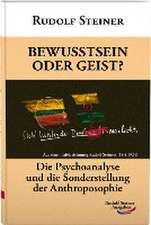
Bewusstsein oder Geist?
Die Kernpunkte der sozialen Frage
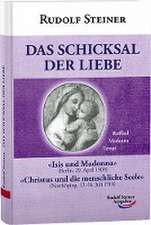
Das Schicksal der Liebe
Geistige Impfung
Mit Leib und Seele
Das Weltbild Des Deutschen Idealismus: Mit Ungedruckten Briefen, Gedichten Und Einer Autobiographie Geibels
Lehrgang Esoterik Band 1
Mit den Toten leben
Wirtschaft für den Menschen
Das Denken
Lehrgang Esoterik Band 3
Meditation als innere Heilung
Die Bibel heute
Geschichte verstehen
Zukunft gestalten 2B
Wissenschaft für das Leben
Das Wahre, das Schöne, das Gute
Vom Volk zum Menschen
Gut leben ist möglich
Der soziale Organismus
Das Vaterunser als Gebet und Meditation
Die Ätherisation des Blutes
Mut zur Freiheit. Audio-CD

Wahrhaftigkeit, Liebe, Lebensweisheit
Die alten Ägypter kehren wieder
Zwischen Ost und West
Zwischen Ost und West 2
Hauptsache Mensch
Von der Erotik zur Liebe
Erziehung und Kunst
Mann und Frau
Naturgeister
Was ist das Böse?
Zukunft verstehen
Zukunft gestalten
Volksengel
Menschwerdung
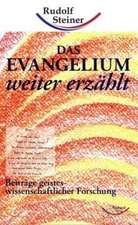
Das Evangelium weitererzählt
Leben im dritten Jahrtausend
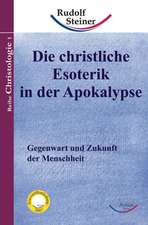
Die christliche Esoterik in der Apokalypse
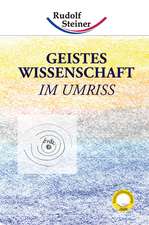
Geisteswissenschaft im Umriss
Judentum, Christentum, Islam
Wahrheit und Irrtum
Einführung in die Geisteswissenschaft
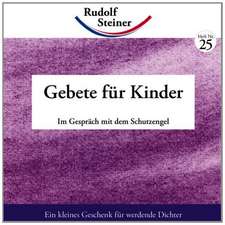
Gebete für Kinder
Ursprung des Menschen
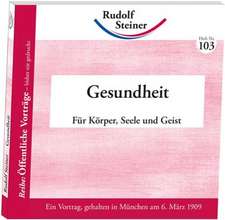
Gesundheit
Das Soziale
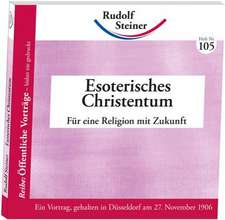
Esoterisches Christentum
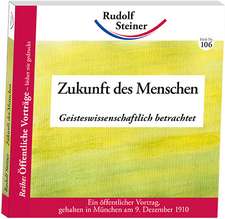
Zukunft des Menschen
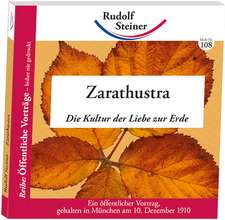
Zarathustra
Wiederholte Erdenleben
Was wird aus meinem Kind?
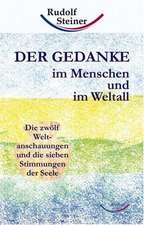
Der Gedanke im Menschen und im Weltall
Dreigliederung von Kultur, Politik und Wirtschaft
Mit Engeln und Naturgeistern leben
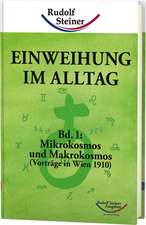
Einweihung im Alltag, Band 1
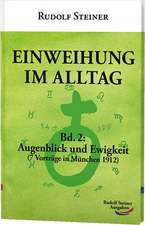
Einweihung im Alltag. Band 2
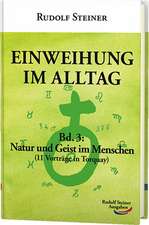
Einweihung im Alltag, Band 3
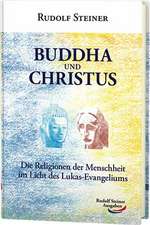
Buddha und Christus
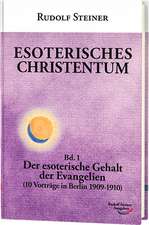
Esoterisches Christentum 1
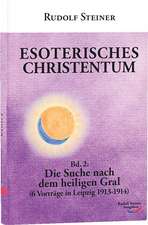
Esoterisches Christentum 2
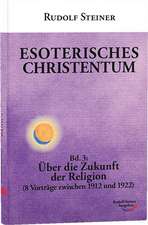
Esoterisches Christentum 3

Das Johannes-Evangelium und die drei anderen Evangelien
Natur und Moral
Mensch und Kosmos
Für alle Menschen, Band 1: Mein Lebensgang
Was ist "Christentum"?
Das menschliche Leben
Der Weg zum Geist
- 1
- 2