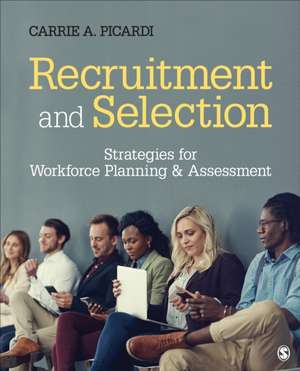
Recruitment and Selection
Autor Carrie A. Picardien Limba Engleză Paperback – 8 iul 2020
Considerăm că cea mai mare greșeală în managementul resurselor umane este tratarea recrutării ca pe un proces intuitiv, bazat pe „feeling”, mai degrabă decât pe o metodologie riguroasă de analiză a muncii. În Recruitment and Selection, Carrie A. Picardi demontează acest mit, demonstrând că succesul unei organizații depinde de capacitatea de a ancora selecția în date concrete și structuri de lucru bine definite. Dacă Human Resource Management - International Student Edition v-a oferit cadrul teoretic general al funcției de HR, această lucrare oferă instrumentele practice necesare pentru a executa recrutarea cu precizie chirurgicală. Cartea este construită în jurul unui cadru de analiză a postului (job analysis framework) care transformă teoria în pași executabili. Structura este una progresivă și logică: începe cu definirea conceptului de muncă și evoluția structurilor organizaționale, trece prin filtrul critic al conformității legale și etice — exemplificat prin politicile de diversitate de la MasterCard — și culminează cu un ghid detaliat în trei faze pentru analiza datelor profesionale. Această abordare metodologică este o extensie naturală a expertizei autoarei, pe care am întâlnit-o și în Research Methods, unde punea accent pe rigoarea cercetării aplicate. Recomandăm acest volum pentru modul în care reușește să pună în dialog bunele practici corporative, precum rotația posturilor la HSBC, cu necesitatea unei evaluări etice a candidaților. Nu este doar un manual de proceduri, ci un sistem integrat care pregătește cititorul să răspundă nevoilor unei forțe de muncă în continuă schimbare, asigurând o potrivire reală între competențele individului și cerințele postului.
Preț: 656.93 lei
Preț vechi: 853.16 lei
-23%
Carte disponibilă
Livrare economică 16-30 noiembrie
Livrare express 31 octombrie-06 noiembrie pentru 37.02 lei
Specificații
ISBN-10: 1483385396
Pagini: 328
Dimensiuni: 187 x 233 x 18 mm
Greutate: 0.6 kg
Ediția:1
Editura: Sage Publications, Inc
Locul publicării:Thousand Oaks, United States
De ce să citești această carte
Această carte se adresează studenților și profesioniștilor HR care doresc să depășească nivelul de începător în recrutare. Cititorul câștigă o metodologie clară pentru a proiecta strategii de selecție care sunt nu doar eficiente, ci și sigure din punct de vedere legal și etic. Este resursa ideală pentru cei care vor să implementeze sisteme de evaluare bazate pe dovezi, reducând costurile generate de angajările greșite.
Recenzii
“Picardi provides an easy-to-read and follow text that covers all the major elements of the recruitment and selection process while providing practical applications and opportunities.”
“The strength of this text is the emphasis on the importance of the job analysis and how it flows throughout the staffing process.”
“Written by a seasoned practitioner, this book is full of real-world insight into staffing and recruiting. The text is accessible to the student or new HR practitioner working to understand the strategic and aspects of recruiting, along with the necessary compliance considerations and great how-to tools throughout.”
“The book is very informative on staffing with relevant examples from several organizations.”
“An excellent “how to” approach for recruitment and selection. This textbook develops skills that transfer learning to the work environment, which translates to saving time, money and resources for the individual and organization.”
Cuprins
Acknowledgments
About the Author
1. Introduction to Workforce Planning and Assessment
What is “Work”? The Organization of Work and Jobs
The Evolution of Work Structure
Organizing the Work: Jobs and Job Families
The Logistics of Work
Strategic Job Redesign and Its Benefits
The Role of Human Resources in Workforce Planning and Assessment
Organizational Best Practices: Spotlight on Job Rotation at HSBC
Chapter Summary
Key Terms
2. Legal Compliance and Ethical Considerations
Legal Compliance in Workforce Employment Decisions
U.S. Legislation and Equal Employment Opportunity
Assessment of Legal Compliance in Workforce Employment Decisions
Ethical Employment Considerations
Organizational Best Practices: Embracing Workforce Diversity at MasterCard
Chapter Summary
Key Terms
3. Job Analysis and Design
Phase 1: Identify the Job to Examine
Phase 2: Determine Appropriate Information Sources and Collect Job-Related Data
Phase 3: Organize and Analyze Data
Organizational Best Practices: Discovering Data in New Places—Job Analysis Leverages Social Networking Tools
Chapter Summary
Key Terms
4. Job Description and Competency Model Development
Job Descriptions in a Perfect World
Job Description Structure and Format
Competency Models
Organizational Best Practices: Examining Global Leader Competencies at McKinsey & Company
Chapter Summary
Key Terms
5. Job Evaluation
The Job Evaluation Process
Step 1: Obtain Job KSAOs, Qualifications, Working Conditions, and Essential Duties
Step 2: Examine Compensable Factors Using the Rating/Weighting Evaluation Method
Step 3: Add Factor Points Together to Determine Overall Job Value
Spotlight on Hay Group—Pioneer in Job Evaluation
Determining Compensation using Job Evaluation Data
Legal and Ethical Considerations for Job Evaluation
Organizational Best Practices: Behind the Scenes of an Online Salary Survey—Payscale’s Data Methodology
Chapter Summary
Key Terms
6. Recruitment Strategy
Factors Affecting Recruitment
Recruitment Strategy: An Internal Approach
Recruitment Strategy: An External Approach
Recruitment Legal and Ethical Considerations
Organizational Best Practices: Groupon’s Innovative Recruitment and Its People Blog
Chapter Summary
Key Terms
7. Selection and Interview Strategy
Interview Strategy and Process
Developing Effective Interviewers
Legal and Ethical Considerations in the Interview Process
Organizational Best Practices: A Holistic Interview Process at Whole Foods Market
Chapter Summary
Key Terms
8. Selection: Simulations and Assessment Centers
Simulations
Assessment Centers
Legal and Ethical Considerations for Simulations and Assessment Centers
Organizational Best Practices: Spotlight on Vodafone’s Assessment Center Strategy
Chapter Summary
Key Terms
9. Selection: Employment Testing
History of Testing in Occupational Selection
Assessment of Knowledge, Skills, and Abilities
Personality Assessment
Honesty and Integrity Assessment
Administration of Tests and Assessments
Test Score Interpretation for Selection Decision Making
Validity and Reliability of Testing Measures
Legal and Ethical Issues of Employment Testing
Organizational Best Practices: Identifying Strengths and Talents, the Facebook Way
Chapter Summary
Key Terms
10. Making the Hire—Final Assessment of Candidate–Job Fit
Biodata and Application Forms
Spotlight on Technology: Implications of Using Social Media Content in Hiring Decisions
Background Checks
Reference Checks
Preemployment Testing
Making a Job Offer
A Final Word: Transitioning from Job Candidate to Employee
Organizational Best Practices: Technology-Driven Reference Checks? There’s an App for That
Chapter Summary
Key Terms
Appendix
Glossary
References
Index