Cantitate/Preț
Produs

Puruṣa: Personhood in Ancient India

Autor Matthew I. Robertson
en Limba Engleză Hardback – 22 mar 2024

Descoperim în Puruṣa o abordare care reconfigurează înțelegerea noastră asupra antropologiei indiene antice, punând în lumină conceptul de „persoană” nu ca entitate izolată, ci ca un element profund unit cu universul. Remarcăm că, deși termenul sanskrit puruṣa este central în literatura vedică și post-vedică, puține studii au reușit să îi urmărească transformările semantice cu atâta rigoare istorică. Această lucrare extinde cadrul propus de Soul and Self in Vedic India de Per-Johan Norelius prin adăugarea unei dimensiuni practice și politice: Robertson nu se limitează la evoluția conceptului de suflet, ci analizează cum „persoana” se extinde prin ritual, dietă ayurvedică și yoga.

Suntem de părere că forța acestui volum rezidă în capacitatea de a conecta domenii aparent disparate. Autorul demonstrează cum suveranul care își „umflă” simbolic prezența pentru a cuprinde regatul și ascetul care își restrânge simțurile împărtășesc, de fapt, aceeași paradigmă a coextensivității cu lumea. Spre deosebire de abordarea din Ancient and Medieval Indian Thought, care se concentrează pe curente politice și sociologice, Matthew I. Robertson plonjează în metafizica trăită, arătând cum medicina sau devoțiunea (bhakti) sunt tehnici de modelare a sinelui. Stilul este academic, dar narativul este susținut de analize textuale clare, făcând din această apariție de la Oxford University Press o resursă esențială pentru înțelegerea modului în care vechii indieni își defineau limitele identității în raport cu divinul și cosmosul.

Citește tot Restrânge

Preț: 48471 lei

Preț vechi: 70041 lei
-31%

Puncte Express: 727

Carte disponibilă

Livrare economică 07-13 mai
Livrare express 18-24 aprilie pentru 14459 lei


Specificații

ISBN-13: 9780197693605
ISBN-10: 0197693601
Pagini: 296
Dimensiuni: 226 x 163 x 38 mm
Greutate: 0.54 kg
Editura: Oxford University Press
Colecția OUP USA
Locul publicării:New York, United States

De ce să citești această carte

Recomandăm această carte cercetătorilor și pasionaților de indianistică dornici să depășească clișeele despre dualismul trup-suflet. Veți câștiga o înțelegere profundă a modului în care medicina ayurvedică, yoga și politica regală se întâlnesc în definirea conceptului de „puruṣa”. Este o lectură densă, care clarifică legătura dintre microcosmosul uman și macrocosmos, oferind instrumente teoretice noi pentru studiul istoriei religiilor și al filozofiei comparative.


Despre autor

Matthew I. Robertson este un cercetător specializat în studiul tradițiilor religioase și filozofice ale Indiei antice. Expertiza sa acoperă o gamă largă de texte sanskrite, de la Upaniṣade la tratate de medicină (Ayurveda) și literatură politică. Prin lucrarea sa publicată la Oxford University Press, Robertson se afirmă ca o voce importantă în reevaluarea conceptelor de subiectivitate și ontologie în contextul indic, aducând o perspectivă critică asupra modului în care identitatea umană a fost construită și practicată de-a lungul secolelor în Asia de Sud.


Descriere

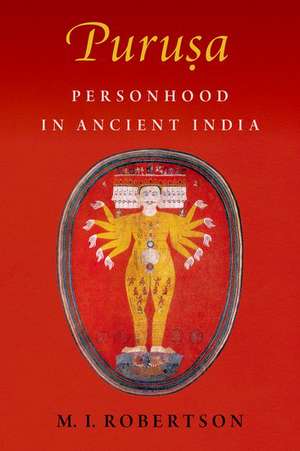
Personhood is central to the worldview of ancient India. Across voluminous texts and diverse traditions, the subject of the puruṣa, the Sanskrit term for "person," has been a constant source of insight and innovation. Yet little sustained scholarly attention has been paid to the precise meanings of the puruṣa concept or its historical transformations within and across traditions. In Puruṣa: Personhood in Ancient India, Matthew I. Robertson traces the history of Indic thinking about puruṣas through an extensive analysis of the major texts and traditions of ancient India.Through clear explanations of classic Sanskrit texts and the idioms of Indian traditions, Robertson discerns the emergence and development of a sustained, paradigmatic understanding that persons are deeply confluent with the world. Personhood is worldhood. Puruṣa argues for the significance of this "worldly" thinking about personhood to Indian traditions and identifies a host of techniques that were developed to "extend" and "expand" persons to ever-greater scopes. Ritualized swellings of sovereigns to match the extent of their realm find complement in ascetic meditations on the intersubjective nature of perceptually delimited person-worlds, which in turn find complement in yogas of sensory restraint, the dietary regimens of Ayurvedic medicine, and the devotional theologies by which persons "share" and "eat" the expansive divinity of God. Whether in the guise of a king, an ascetic, a yogi, a buddha, or a patient in the care of an Ayurvedic physician, fully realized persons know themselves to be coterminous with the horizons of their world.Offering new readings of classic works and addressing the fields of religion, politics, philosophy, medicine, and literature, Puruṣa: Personhood in Ancient India challenges us to reexamine the goals of ancient Indian religions and yields new insights into the interrelated natures of persons and the worlds in which they live.

Recenzii

Thinking precisely and clearly about personhood and its relationship to the worldhood is important.' This golden thread runs through the whole of this fascinating book that examines the social, philosophical, and religious understandings of puruṣa through Indian history. From deepest antiquity to the mid-first millennium, Robertson explores the very different evolutions of the central concept of personhood through the great traditions of Indian reflection and belief. This is a nuanced and sophisticated series of reflections on one of the most important and continuous themes in South Asian thought.
This magnificent, groundbreaking study of the ancient Indian category of puruṣa, the Indian 'person,' sweeps us into a world where the dimensions of inner and outer, and body and cosmos, collapse. Also collapsing are several received notions concerning Indian metaphysics.

Notă biografică

Matthew I. Robertson is a lecturer in the Department of History at Murray State University and holds a PhD in Religious Studies from the University of California, Santa Barbara.