Cantitate/Preț
Produs

Psychobuch 2

Autor Beni Bischof
en Limba Engleză Paperback – 2 apr 2026

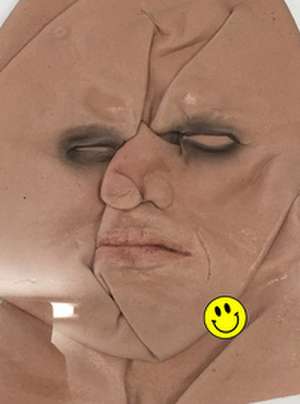
Characterized by cynical humor and a penchant for chaos, Bischof's latest digital distortions are collected here in this 700-plus-page paperback

Swiss artist Beni Bischof (born 1978) appropriates and alters images from fashion magazines, pulp literature, album covers and more. Following his first Psychobuch from 2014, Psychobuch 2 offers further insight into Bischof's paradoxical universe: a multilayered, multimedia entity held together by a dense network of recurring themes.

Citește tot Restrânge

Preț: 52848 lei

Preț vechi: 67295 lei
-21%

Puncte Express: 793

Carte disponibilă

Livrare economică 05-19 octombrie
Livrare express 19-25 septembrie pentru 21319 lei

Livrare prin curier în România Termenul estimat este afișat lângă disponibilitate.
Transport gratuit pentru acest produs Plată online sau ramburs, în funcție de opțiunile comenzii.
Retur gratuit în 14 zile Comandă securizată și suport în română.

Specificații

ISBN-13: 9783907236970
ISBN-10: 3907236971
Pagini: 752
Dimensiuni: 230 x 310 x 30 mm
Greutate: 2.68 kg
Editura: Edition Patrick Frey
Colecția Edition Patrick Frey
Locul publicării:Zurich, Switzerland

Descriere

Following the first successful publication of «Psychobuch» in 2014, «Psychobuch 2» now offers a further in-depth insight into the paradoxical universe of Beni Bischof. The book presents a multilayered, multimedia entity held together by a dense network of recurring themes and motifs. It is a comprehensive presentation of Bischof’s work without claiming to be complete, while at the same time functioning as an independent artist’s book.
Sculptures, paintings, and installations followed his drawings and collages, in which he relentlessly pursued his obsessions with unbridled creative drive. Bischof interprets everyday moments and transforms found objects into quirky pieces and spatial stagings using a variety of materials and techniques. The combination of striking visual statements and painterly reworking is also evident in his appropriations of media images from fashion magazines, pulp literature, LP covers, and the like. He alters these painterly, digitally, or even mechanically, thereby developing a distinctive visual language of his own.
Bischof’s practice is characterized by intuitive gestures, cynical humor, and an evident inclination toward chaos—a wildly proliferating multimedia body of work wrested from everyday life.