
Protagoras: Ancients in Action
Autor Daniel Silvermintzen Limba Engleză Paperback – 17 dec 2015
Recomandăm această lucrare ca o referință esențială pentru nivelul de licență și master în filosofie antică, fiind în prezent singura introducere monografică accesibilă dedicată exclusiv lui Protagoras. Daniel Silvermintz reușește să sintetizeze, în cadrul seriei Ancients in Action, moștenirea celui care a declarat că „omul este măsura tuturor lucrurilor”, oferind o perspectivă clară asupra agnosticismului și relativismului sofist. Observăm o organizare riguroasă a materialului: după o incursiune în biografia și contextul politic alături de Pericle, autorul dedică secțiuni interpretării fragmentelor supraviețuite, conectându-le cu teme contemporane precum gândirea critică și construcția socială a individului.
Această ediție de la Bloomsbury Academic se distinge printr-un stil detaliat, dar fluid, evitând jargonul excesiv fără a sacrifica rigoarea academică. Găsim în text o analiză comparativă a influenței sofiste asupra pedagogiei și retoricii, subliniind de ce ideile sale rămân relevante pentru curentul postmodern. Cartea reprezintă o alternativă viabilă la Protagoras and the Challenge of Relativism de Ugo Zilioli pentru cursurile de epistemologie sau istoria filosofiei, cu avantajul unei abordări mai concise și al unui accent pus pe relevanța sociologică imediată. Spre deosebire de lucrările vaste despre The Sophistic Movement semnate de G. B. Kerferd, volumul de față oferă un portret focalizat, ideal pentru studenții care au nevoie de o bază solidă înainte de a aborda dialogurile platonice.
Din seria Ancients in Action
- 8%
 Preț: 118.75 lei
 - 17%
 Preț: 183.72 lei
 - 24%
 Preț: 192.42 lei
 - 17%
 Preț: 182.74 lei
 - 21%
 Preț: 187.88 lei
 - 22%
 Preț: 167.20 lei
 - 23%
 Preț: 169.09 lei
 - 23%
 Preț: 169.37 lei
 - 17%
 Preț: 182.27 lei
 - 20%
 Preț: 183.14 lei
 - 17%
 Preț: 176.36 lei
 - 25%
 Preț: 201.80 lei
 - 20%
 Preț: 172.55 lei
 - 21%
 Preț: 187.66 lei
 - 15%
 Preț: 183.72 lei
 -
 Preț: 126.42 lei
 -
 Preț: 140.30 lei
 - 22%
 Preț: 182.85 lei
 - 10%
 Preț: 183.72 lei
 - 21%
 Preț: 155.60 lei
 - 20%
 Preț: 167.00 lei
 - 17%
 Preț: 176.36 lei
Preț: 187.10 lei
Preț vechi: 250.25 lei
-25%
Carte disponibilă
Livrare economică 16-30 noiembrie
Specificații
ISBN-10: 1472510925
Pagini: 112
Dimensiuni: 212 x 136 x 6 mm
Greutate: 0.18 kg
Editura: Bloomsbury Publishing
Colecția Bloomsbury Academic
Seria Ancients in Action
Locul publicării:London, United Kingdom
V-ar putea interesa
-
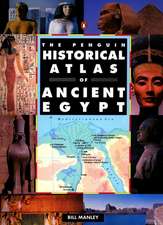 The Penguin Historical Atlas of Ancient EgyptBill Manley-19%Preț: 108.64 lei134.35 lei
 -
 -44%Preț: 75.79 lei134.22 lei
 -
 Preț: 176.07 lei
 -
 The Roman CitizenshipA. N. Sherwin-White-27%Preț: 461.35 lei636.16 lei
 -
 Athenian Democratic Origins: and Other EssaysG.E.M.DE STE.CROIX-33%Preț: 647.59 lei959.44 lei
 -
 Spectacular Power in the Greek and Roman CityAndrew Bell-19%Preț: 360.22 lei445.70 lei
 -
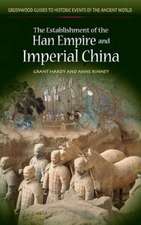 The Establishment of the Han Empire and Imperial ChinaGrant R. Hardy-41%Preț: 240.07 lei404.73 lei
 -
 The Romans For DummiesGuy De La BédoyèrePreț: 177.64 lei
 -
 Caesar's LegionStephen Dando-CollinsPreț: 107.47 lei
 -
 Cleopatra's KidnappersStephen Dando-CollinsPreț: 213.53 lei
 -
 Thucydides' War NarrativeCarolyn Dewald-23%Preț: 524.21 lei680.80 lei
 -
 Preț: 309.55 lei
 -
 Histories – Books 1–3Tacitus TacitusPreț: 225.64 lei
 -
 The Temples of KarnakR. A. Schwaller de LubiczPreț: 507.15 lei
 -
 Ancient RomeSimon Baker-18%Preț: 88.42 lei108.16 lei
 -
 Roman Death: The Dying and the Dead in Ancient RomeDr Valerie M. Hope-38%Preț: 348.62 lei560.32 lei
 -
 Night's Black Agents: Witches, Wizards and the Dead in the Ancient WorldProfessor Daniel Ogden-8%Preț: 378.12 lei409.68 lei
De ce să citești această carte
Apreciem această carte pentru modul în care transformă fragmente antice dificile într-un curs coerent de introducere în gândirea critică. Cititorul câștigă o înțelegere clară a rădăcinilor relativismului occidental, fiind o lectură utilă atât pentru studenții la filosofie, cât și pentru cei de la științe politice sau sociologie care doresc să exploreze originile conceptului de „măsură a lucrurilor” într-un format compact și bine structurat.
Despre autor
Daniel Silvermintz este profesor asociat de științe umaniste la University of Houston-Clear Lake, SUA, specializat în filosofie politică și gândire antică. Expertiza sa în studiile clasice este valorificată în această lucrare prin capacitatea de a extrage relevanță contemporană din surse fragmentare. Activitatea sa academică se concentrează pe intersecția dintre educație, etică și cetățenie, teme centrale în cariera lui Protagoras, ceea ce îi permite să ofere o interpretare nuanțată a mișcării sofiste în contextul democrației ateniene.
Descriere
This accessible introductory survey by Daniel Silvermintz covers Protagoras' life, ideas and lasting legacy. Each chapter interprets one of the surviving fragments and draws connections with related ideas forwarded by other sophists, showing its relevance to an area of knowledge: epistemology, ethics, education and sociology.
Cuprins
Acknowledgements
Notes on Sources
1. From Humble Beginnings to Celebrated Teacher
2. Protagoras and Pericles
3. Protagoras' Secret Teaching
Notes
Bibliography
Index
Recenzii
In this short, elegant, and readable work, Daniel Silvermintz brings alive one of the most elusive and enigmatic thinkers of the ancient world.
[CC] Piecing together the thoughts of early Greek philosophers can be a challenge. Little of their writing has survived, so scholars must often rely on the testimony of much later philosophers, whose reliability can be suspect. Aware of these challenges, Silvermintz (Univ. of Houston, Clear Lake) provides readers with a useful-albeit very brief-introduction to the life and ideas of Protagoras the Sophist. The book includes three chapters. The first provides an intellectual biography, the second examines Protagoras's political thought and his influence on Athenian political reforms, and the third focuses on Protagoras's esotericism . Silvermintz's book could serve as a useful supplement to introductory courses in ancient philosophy. Summing Up: Recommended. Lower-division undergraduates through faculty.
This short book ... can be recommended for at least three reasons: it is the only available introduction to Protagoras; its style is detailed, but nonetheless enjoyable, which makes it perfect reading for undergraduate students; and, in its final chapter, it offers a fascinating, albeit admittedly 'speculative' thesis, which will surely peak the interest of specialists as well.