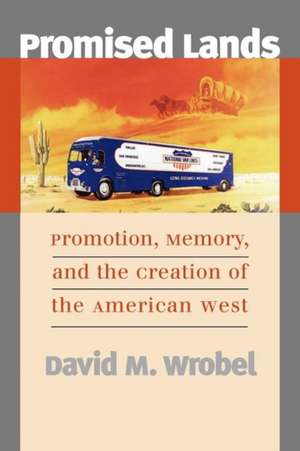
Promised Lands
Autor David M. Wrobelen Limba Engleză Paperback – sep 2011
Destinat studenților în istorie, cercetătorilor identității culturale și practicienilor din domeniul studiilor regionale, Promised Lands oferă o demitizare necesară a modului în care frontiera americană a fost „vândută” și ulterior „rememorată”. Descoperim aici o analiză riguroasă a mecanismelor prin care Vestul a fost imaginat și transformat într-un produs cultural, mult înainte de a fi complet colonizat fizic. Notăm cu interes dualitatea pe care David M. Wrobel o scoate la iveală: pe de o parte, promotorii care prezentau zonele subdezvoltate ca fiind deja civilizate pentru a atrage investiții, iar pe de altă parte, vechii coloniști care exagerau sălbăticia trecutului pentru a-și valida propriile eforturi. Această tensiune între viitorul idealizat și trecutul mitizat a pus bazele identității regionale americane. Cititorii familiarizați cu Western Places, American Myths de Gary J. Hausladen vor aprecia modul în care Wrobel trece de la geografia simbolică la analiza concretă a textelor efemere — afișe și broșuri — care au construit acest imaginar. În contextul operei sale, volumul completează temele abordate în America's West și Many Wests, rafinând argumentul că „Vestul” nu este o entitate geografică fixă, ci o construcție fluidă. Spre deosebire de The Mythic West in Twentieth-Century America, lucrarea de față insistă asupra perioadei formative de după Războiul Civil, oferind un aparat critic valoros pentru înțelegerea modului în care stereotipurile rasiale și elitiste au fost codificate în literatura de promovare a epocii. Tonul este precis, academic, dar accesibil, transformând o cercetare documentară vastă într-o narațiune coerentă despre puterea cuvântului scris în modelarea realității.
Preț: 290.95 lei
Carte tipărită la comandă
Livrare economică 01-15 iunie
Specificații
ISBN-10: 0700618236
Pagini: 342
Dimensiuni: 152 x 229 x 19 mm
Greutate: 0.5 kg
Editura: University Press of Kansas
V-ar putea interesa
-
 Hidden FiguresMargot Lee ShetterlyPreț: 85.37 lei
 -
 Texas RisingStephen L MoorePreț: 105.57 lei
 -
 KissingerNiall Ferguson-17%Preț: 111.18 lei134.59 lei
 -
 Ronald ReaganMichael Schaller-17%Preț: 73.73 lei89.08 lei
 -
 Preț: 102.83 lei
 -
 The N WordJabari AsimPreț: 102.22 lei
 -
 The Imperial PresidencyArthur Meier Jr. SchlesingerPreț: 178.33 lei
 -
 The End of American ExceptionalismDavid M. WrobelPreț: 227.71 lei
 -
 Many WestsDavid M. WrobelPreț: 297.95 lei
 -
 Seeing and Being SeenDavid M. WrobelPreț: 291.15 lei
 -
 Making San Francisco AmericanBarbara BerglundPreț: 288.86 lei
 -
 Preț: 408.35 lei
 -
 Preț: 222.95 lei
 -
 Preț: 224.63 lei
 -
 Alaska's Place in the WestRoxanne WillisPreț: 415.41 lei
 -
 Flint Hills CowboysJim HoyPreț: 148.50 lei
 -
 Historic Preservation and the Imagined WestJudy Mattivi MorleyPreț: 188.62 lei
 -
 Preț: 363.89 lei
 -
 Preț: 258.24 lei
 -
 Preț: 446.59 lei
 -
 Black Hawk and the Warrior's PathRoger L NicholsPreț: 257.31 lei
 -
 The Secret Societies of All Ages & Countries (Two Volumes in One)Charles William HeckethornPreț: 226.92 lei
 -
 Rio de Janeiro: Extreme CityLuiz Eduardo SoaresPreț: 108.40 lei
De ce să citești această carte
Această carte este esențială pentru oricine dorește să înțeleagă rădăcinile mitologiei americane. Cititorul câștigă o perspectivă critică asupra modului în care marketingul istoric și memoriile selective au creat imaginea „Pământului Făgăduinței”. Este un instrument valoros pentru a descifra cum discursurile din secolul al XIX-lea continuă să influențeze politica și identitatea culturală a Vestului contemporan, dincolo de clișeele genului western.
Despre autor
David M. Wrobel ocupă catedra Merrick în Istoria Vestului la Universitatea din Oklahoma, fiind unul dintre cei mai respectați specialiști în domeniu. Expertiza sa se concentrează pe intersecția dintre istoria intelectuală și cea regională, explorând modul în care anxietățile legate de frontieră și excepționalismul american au modelat politicile naționale. Pe lângă Promised Lands, opera sa include titluri de referință precum The End of American Exceptionalism și Seeing and Being Seen, lucrări care investighează impactul turismului și al reprezentărilor culturale asupra comunităților vestice. Abordarea sa se distinge prin rigoarea documentară și capacitatea de a integra istoria socială în contextul mai larg al formării identității naționale americane.
Descriere scurtă
Promoters trying to lure settlers and investors to the West insisted that the frontier had already been tamed-that the only frontiers remaining were those of opportunity. Through posters, pamphlets, newspaper articles, and other printed pieces, these boosters literally imagined places into existence by depicting backwater areas as settled, culturally developed regions where newcomers would find none of the hardships associated with frontier life.
Quick on their heels, some of the West's original settlers had begun publishing their reminiscences in books and periodicals and banding together in pioneer societies to sustain their conception of frontier heritage. Their selective memory focused on the savage wilderness they had tamed, exaggerating the past every bit as much as promoters exaggerated the present.
Although they are generally seen today as unscrupulous charlatans and tellers of tall tales, David Wrobel reveals that these promoters and reminiscers were more significant than their detractors have suggested. By exploring the vast literature produced by these individuals from the end of the Civil War through the 1920s, he clarifies the pivotal impact of their works on our vision of both the historic and mythic West.
In examining their role in forging both sense of place within the West and the nation's sense of the West as a place, Wrobel shows that these works were vital to the process of identity formation among westerners themselves and to the construction of a "West" in the national imagination. Wrobel also sheds light on the often elitist, sometimes racist legacies of both groups through their characterizations of Native Americans, African Americans, Mexican Americans, and Asian Americans.
In the era Wrobel examines, promoters painted the future of each western place as if it were already present, while the old-timers preserved the past as if it were still present. But, as he also demonstrates, that West has not really changed much: promoters still tout its promise, while old-timers still try to preserve their selective memories. Even relatively recent western residents still tap into the region's mythic pioneer heritage as they form their attachments to place. "Promised Lands" shows us that the West may well move into the twenty-first century, but our images of it are forever rooted in the nineteenth.