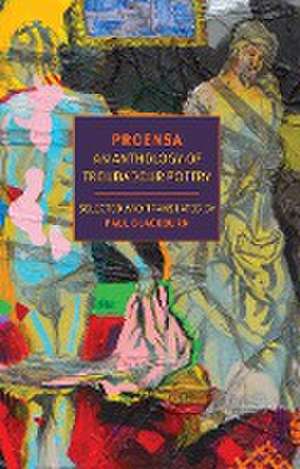
Proensa
Autor George Economou, Paul Blackburnen Limba Engleză Paperback – 10 ian 2017
Observăm o evoluție constantă în studiul liricii medievale, care a încetat de mult să fie privită doar ca o curiozitate istorică, devenind o resursă vitală pentru înnoirea limbajului poetic modern. Proensa reprezintă punctul culminant al acestui proces de redescoperire, oferind o perspectivă asupra etosului iubirii curtenești din Provence-ul medieval, care a modelat ulterior opera lui Dante și a liricii europene vernaculare. Ne-a atras atenția devotamentul traducătorului Paul Blackburn, care a dedicat două decenii finisării acestor versiuni, reușind să păstreze muzicalitatea senzuală și spiritul pământean al originalelor. Lucrarea este comparabilă cu Lark in the Morning de Robert Kehew în ceea ce privește rigoarea formei, dar este actualizată printr-o sensibilitate modernistă care amintește de experimentele lui Ezra Pound. În timp ce antologia lui Kehew pune accent pe structura metrică, volumul de față, sub îngrijirea lui George Economou, reușește să se impună ca o operă literară autonomă, integrându-se în tradiția marilor traduceri poetice englezești. Apreciem modul în care această ediție se plasează în contextul operei lui George Economou. Dacă în Poem of the Cid acesta explora bazele epicii spaniole, iar în Euripides, 3 se concentra pe canonul dramatic grecesc, prin editarea volumului Proensa el consolidează o viziune unitară asupra rădăcinilor literaturii occidentale. Această antologie nu doar recuperează treizeci de voci fundamentale ale trubadurilor, ci demonstrează legătura indisolubilă dintre rigoarea filologică și creativitatea poetică, oferind un instrument esențial pentru înțelegerea evoluției liricii de la secolul al XI-lea până la modernismul secolului XX.
Preț: 170.73 lei
Carte disponibilă
Livrare economică 20 iulie-03 august
Livrare express 04-10 iulie pentru 27.09 lei
Specificații
ISBN-10: 1681370301
Pagini: 256
Dimensiuni: 128 x 203 x 22 mm
Greutate: 0.37 kg
Ediția:Main
Editura: New York Review Books
De ce să citești această carte
Această antologie este esențială pentru cititorii interesați de originile poeziei europene și de conceptul de iubire curtenească. Prin efortul de două decenii al lui Paul Blackburn, câștigul este dublu: o resursă academică solidă despre trubaduri și o colecție de poezie vibrantă, tradusă într-un limbaj modern. Este recomandată studenților la litere, dar și poeților care caută inspirație în structurile muzicale și erotice ale evului mediu.
Despre autor
George Economou, profesor emerit la Universitatea din Oklahoma, este un reputat specialist în literatură medievală și poezie, fiind educat la universitățile Colgate și Columbia. Cu o carieră didactică de peste patru decenii, el a fost distins de două ori cu bursa National Endowment for the Humanities. Expertiza sa în traducerea și editarea textelor clasice este reflectată în lucrări precum Poem of the Cid și versiunile sale pentru poemele lui Cavafy. În Proensa, Economou aduce rigoarea sa critică pentru a definitiva moștenirea poetică a lui Paul Blackburn, ancorând textele trubadurilor în contextul marii literaturi universale.
Descriere scurtă
Notă biografică
George Economou taught English and comparative literature at Long Island University and the University of Oklahoma for forty-one years. He has published twenty-one books of poetry, translations, and criticism.