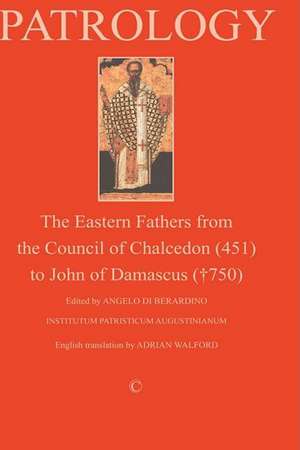
Patrology
Editat de Adrian Walford, Angelo Di Berardinoen Limba Engleză Paperback – 29 mai 2008
Preț: 628.07 lei
Preț vechi: 775.40 lei
-19%
Puncte Express: 942
Carte tipărită la comandă
Livrare economică 03-17 decembrie
Livrare prin curier în România Termenul estimat este afișat lângă disponibilitate.
Transport gratuit pentru acest produs Plată online sau ramburs, în funcție de opțiunile comenzii.
Retur gratuit în 14 zile Comandă securizată și suport în română.
Specificații
ISBN-13: 9780227172643
ISBN-10: 0227172647
Pagini: 736
Dimensiuni: 156 x 234 x 37 mm
Greutate: 1.01 kg
Ediția:2nd edition
Editura: BOYDELL & BREWER
ISBN-10: 0227172647
Pagini: 736
Dimensiuni: 156 x 234 x 37 mm
Greutate: 1.01 kg
Ediția:2nd edition
Editura: BOYDELL & BREWER
V-ar putea interesa
-
 -29%Preț: 408.68 lei573.39 lei
 -
 -28%Preț: 418.77 lei584.75 lei
 -
 -11%Preț: 388.78 lei437.66 lei
 -
 -20%Preț: 342.57 lei425.64 lei
 -
 Introducing Eastern Orthodox TheologyAndrew LouthPreț: 110.54 lei
 -
 -25%Preț: 238.63 lei320.12 lei
 -
 Big Bang Big GodRodney HolderPreț: 71.02 lei
 -
 Approaching the EndStanley HauerwasPreț: 150.05 lei
 -
 What Shall We Say?Thomas G. LongPreț: 125.69 lei
 -
 Calvin vs. WesleyDon ThorsenPreț: 112.49 lei
 -
 Preț: 323.65 lei
 -
 What Is Biblical Theology?James M Hamilton JrPreț: 70.75 lei
 -
 Evangelical TruthJohn R. W. StottPreț: 122.75 lei
 -
 The One-Minute ApologistDave ArmstrongPreț: 104.80 lei
Notă biografică
Dr Angelo di Berardino is President and Professor of Patrology at the Augustinian Patristic Institute in Rome, and is considered to be one of the leading patristic scholars.
Cuprins
Preface. I. INTRODUCTION. 1. The social and political background. 2. The religious background. 3. Literary production. II. LITERATURE FROM THE CONSTANTINOPLE AREA AND ASIA MINOR. INTRODUCTION. Eudoxia Augusta. Atticus of Constantinople. Heraclides of Nyssa. Maximian of Constantinople. Alypius the Presbyter. Parthenius, Presbyter of Constantinople. Dorotheus of Marcianopolis. Basil the Archimandrite. Amphilochius of Side. Dalmatius the Archimandrite. Julian of Sardica. Severus of Synnada. Eusebius of Heraclea. Memnon of Ephesus. Eusebius of Dorylaeum. Theodotus of Ancyra. Peter of Traianopolis. Firmus of Caesarea. Erecthius of Antioch. Cyrus of Panopolis. Eutyches. Flavian of Constantinople. Anatolius of Constantinople. Julian of Tabia. Peter of Myra. Callinicus. Acacius of Constantinople. Zeno. Basiliscus. Gelasius of Cyzicus. Fravita of Constantinople. Theodore the Lector. Cyrus of Tyana. Irenaeus of Harpasos. John II of Constantinople. Epiphanius of Constantinople. Julian of Halicarnassus. Dionysius the Areopagite. The Emperor Justinian. Agapetus Diaconus. Innocent of Maronea. Heraclian of Chalcedon. Hypatius of Ephesus. Eustathius Monachus. Anthimus of Constantinople. Menas of Constantinople. Domitian of Ancyra. Nicholas of Ancyra. Pseudo-Caesarius. Romanus Melodus. Paul Silentiarius. Abramius of Ephesus. Eutychius of Constantinople. Eustratius, Presbyter of Constantinople. Leontius, Presbyter of Constantinople. John III Scholasticus. Conon of Tarsus; Eugenius of Seleucia; Theonas. John IV the Faster. Photinus, Presbyter of Constantinople. Constantine the Deacon. John of Thessalonica. Andrew of Caesarea. George of Sykeon. Sergius of Constantinople. George of Pisidia. Timothy the Presbyter. Theodore Syncellus. Chronicon Paschale. George the Monk. Sergia. Eobulus of Lystra. Pyrrhus of Constantinople. Paul II of Constantinople. Theodore the Deacon. Maximus the Confessor. The Associates of St Maximus. Gregory the Presbyter. Gregory of Agrigento. John VI of Constantinople. Germanus of Constantinople. Andrew of Crete. Cosmas Vestitor. Aetius, Presbyter of Constantinople. George Grammaticus. John the Carpathian. Florilegia. III. GREEK LITERATURE OF SYRIA. INTRODUCTION. Theodotus of Antioch. John of Antioch. Succensus of Diocaesarea. Helladius of Tarsus. Zenobius of Zephyrium. Hesychius of Castabala. Maximian (or Maximin) of Anazarbus. Meletius of Mopsuestia. Alexander of Apamea. Paul of Emesa. Alexander of Hierapolis. Abbibus of Doliche. Andrew of Samosata. Acacius of Melitene. Rabbula of Edessa. Symeon Stylites the Elder. Antony the Hagiographer. Domnus of Antioch. Stephen I of Hierapolis. Eustathius of Berytus. Ibas of Edessa. Pseudo-Martyrius of Antioch. Peter the Fuller. John of Berytus. Severus of Antioch. John of Gabala. John Bar Aphthonia. Sergius Grammaticus. Jobius the Monk. Ephrem of Antioch. Constantine of Laodicea. Paul of Nisibis. Jacob Baradaeus. Paul of Antioch (the Black). Peter of Callinicus. Stephen II of Hierapolis. Symeon Stylites the Younger. Anastasius I of Antioch. Adrian the Exegete. Theodulus, Presbyter and Exegete. Victor of Antioch. Oecumenius. John Drungarius, Catenist. John Diacrinomenus. John Malalas. Evagrius Scholasticus. Macarius of Antioch. Isaac of Nineveh. John of Damascus. John of Euboia. Reginus of Constantia. Alexander of Cyprus. Arcadius, Archbishop of Cyprus. Leontius of Neapolis. Theodore of Paphos. Sergius of Cyprus. Theodore of Tremithous. IV. WRITERS OF THE PALESTINE REGION. Ammonius the Monk. Juvenal of Jerusalem. Theodosius of Jerusalem. Antipater of Bostra. Chrysippus of Jerusalem. Martyrius of Jerusalem. Mark the Deacon. Isaiah of Gaza (and/or Scete?). John Rufus. Aeneas of Gaza. Zacharias Scholasticus. Procopius of Gaza. Symmachus. Choricius of Gaza. Barsanuphius and John. Dorotheus of Gaza. Theognius, Presbyter of Jerusalem. Psuedo-Gregentius. Zosimas. Peter of Jerusalem. John of Scythopolis. Theodore of Scythopolis. Cyril of Scythopolis. Theodore, Bishop of Petra. Paul of Elusa. John of Caesarea. Leontius of Byzantium. Leontius of Jerusalem. Leontius Scholasticus (De Sectis). Pamphilus Theologus. Theodore Ascidas. Theodore of Bostra. Theodore of Raithou. Gregory of Antioch. John IV of Jerusalem. Zacharias of Jerusalem. Modestus of Jerusalem. Strategius. Antiochus the Monk. Anthony the Chozibite. John Moschus. Sophronius of Jerusalem. Theotecnus, Bishop of Livias. Stephen of Bostra. Jerome of Jerusalem. Leontius, Presbyter of Jerusalem. Pantoleon the Byzntine Presbyter. Timothy of Jerusalem. John Climacus. Anastasius the Sinaite. Maro of Edessa (CPG 6986). Hesychius of Sinai. Philotheus of Sinai. Anonymous Sventh-Century Works. V. ALEXANDRIAN AND EGYPTIAN WRITERS. INTRODUCTION. Philo the Historian. Mark Diadochus. Panodorus. Annianus. Barbarus Scaligeri and Chronographus Anonymus. Agathonicus Of Tarsus (pseudo-). Epiphanius the Archdeacon. Eusebius of Alexandria. Dioscorus of Alexandria. Proterius of Alexandria. Timothy Aelurus. Peter Mongus. Nephalius. Olympiodorus the Deacon. Timothy IV (III) of Alexandria. Themistius, Deacon of Alexandria. Theodore the Monk. Colluthus. John Philoponus. Stephen Gobar. Cosmas Indicopleustes. Theodosius of Alexandria. John the Egyptian. John of Cellia. Longinus of Nubia. Theodosius, Presbyter of Alexandria. Theodore of Copris. Theodore of Philae. Theodore of Alexandria. Peter IV of Alexandria. Damain, Patriarch of Alexandria. Eulogius of Alexandria. John the Almsgiver. George of Alexandria. Cyrus of Alexandria. Hyperechius. Daniel of Scete. John of Nikiu. Ammonius of Alexandria. Ammonius Alexandrinus. VI. SYRIAC LITERATURE. PREFACE. INTRODUCTION. INTRODUCTION. Syriac Ecclesiastical Chronicles and Histories (in Chronological Order). The Old Testament Peshitta. Old Testament Apocrypha: II Baruch and IV Esdras. Diatessaron, Vetus Syra and New Testament Peshitta. Odes of Solomon. Bardesanes (Bardaisan). Mara. Melito the Philosopher. Acts of Judas Thomas. Aphrahat (Aphraates). Ephrem. Cyrillonas. Liber Graduum (late fourth-early fifth century). Doctrine of Addai. Acts of the Martyrs. Balai. Isaac of Antioch. John the Solitary. Narsai. Philoxenus of Mabbugh. Jacob of Sarug. Sergius of Rish'ayna. Stephen Bar Sudaili. Cave of Treasures. Daniel of Salah. The Schools of Nisibis and Seleucia-Ctesiphon in the sixth century. Babai the Great. Isho'yabh II and Isho'yabh III, Catholicoi of the Church of Persia. Martyrius Sahdona. Nestrorian Monasticism. The Learned Tradition of the Jacobite Church. Theodore Bar Konai. VII. PATRISTIC TEXTS IN COPTIC. INTRODUCTION. Early Apocrypha and Jewish Influence. Melito and the Asiatics. Antony. Pachomius and the Pachomians. Theodore. Horsiesi. Gnostic Texts. Manichaean Texts. Origenism and the Question of Anthropomorphism. Paul of Tamma and Anthropomorphite Monasticism. The Historiae Monachorum. The Gnomai of Nicaea and the Didascalia. Shenute. Homiletic Translations. Chalcedon and Plerophoriae. Plerophoriaev. COPTIC PLEROPHORIC TEXTS. Damian and Benjamin. VIII. PATRISTIC TEXTS IN ARMENIAN (5TH TO 8TH CENTURIES). INTRODUCTION. Patristic Translations. TYPES OF TRANSLATION. AUTHORS TRANSLATED. The Bible. The Apocrypha. Hagiographical texts. Armenian Theologians and Philosophers. Historians. Florilegia. Liturgy. Law. IX. GREEK EXEGETICAL CATENAE. GENERAL CHARACTERISTICS. Octateuch and Kings. Psalms. Biblical Canticles. Books of Solomon. Job. Prophets. New Testament Books. X. CANONICALAND LITURGICAL LITERATURE. INTRODUCTION. Apostolic Constitutions. Works dependent on the A"Apostolic ConstitutionsA". Greek canonical collections. Eastern Christian Liturgies after the 5th Century. Eastern liturgical books. Eastern anaphorae. Mystagogical commentaries. INDEX OF NAMES.
Recenzii
'This textbook is remarkable for the massive information it provides to the reader. The bibliographic indications are one of the strengths of this monumental book, to which no equivalent in French language exists.' Jean-Marie Auwers in Revue d'Histoire Ecclesiastique, 107/1, 2012