
Palliative Care in Oncology
Editat de Bernd Alt-Epping, Friedemann Naucken Limba Engleză Hardback – 8 apr 2015
Adresat cu precădere medicilor oncologi, specialiștilor în îngrijiri paliative, rezidenților și medicilor de familie implicați în managementul bolilor cronice, Palliative Care in Oncology de Bernd Alt-Epping și Friedemann Nauck reprezintă o resursă clinică esențială pentru integrarea suportului paliativ în parcursul terapeutic oncologic. Suntem de părere că valoarea acestui volum rezidă în abordarea specifică pe tipuri de diagnostic, depășind recomandările generale pentru a oferi soluții adaptate contextului clinic al fiecărei entități tumorale în parte. Subliniem modul în care lucrarea balansează intervențiile direcționate împotriva simptomelor cu terapiile antineoplatice ghidate de calitatea vieții. Pe linia clinică a volumului Oncology for Palliative Medicine de Peter Hoskin, dar cu un accent pronunțat pe complexitatea strategiilor farmacologice și pe interacțiunile medicamentoase la pacientul aflat în fază avansată, acest manual oferă o rigoare științifică necesară în fața polipragmaziei. Organizarea textului urmărește o progresie logică: de la perspectivele specifice bolii (unde sunt contrastate, de exemplu, cancerul pulmonar și cel mamar), la controlul durerii și managementul nursing, culminând cu provocările etice și structurale ale fazei terminale. Merită menționat că autorii nu omit aspectele de politică sanitară, discutând implementarea serviciilor paliative în ambulatoriu și spital, precum și conceptul de „integrare timpurie”. Într-o specialitate unde granița dintre tratamentul curativ și cel de suport devine tot mai fluidă, această ediție publicată de Springer funcționează ca un ghid metodologic pentru îmbunătățirea standardelor de îngrijire la finalul vieții.
Preț: 699.94 lei
Preț vechi: 736.78 lei
-5%
Carte tipărită la comandă
Livrare economică 10-24 iunie
Specificații
ISBN-10: 366246201X
Pagini: 324
Ilustrații: XIII, 308 p. 23 illus., 16 illus. in color.
Dimensiuni: 160 x 241 x 24 mm
Greutate: 0.65 kg
Ediția:2015
Editura: Springer
Locul publicării:Berlin, Heidelberg, Germany
V-ar putea interesa
-
 Insertional Mutagenesis Strategies in Cancer GeneticsAdam J. Dupuy-5%Preț: 683.52 lei719.49 lei
 -
 Berries and Cancer PreventionGary D. Stoner-5%Preț: 1356.41 lei1427.80 lei
 -
 Molecular Basis for Therapy of AIDS-Defining CancersDirk P. Dittmer-5%Preț: 1050.57 lei1105.86 lei
 -
 Pre-Invasive Disease: Pathogenesis and Clinical ManagementRebecca C. Fitzgerald-5%Preț: 1064.77 lei1120.81 lei
 -
 Vitamin D and CancerCandace S. Johnson-5%Preț: 1056.52 lei1112.13 lei
 -
 The Rho GTPases in CancerKenneth van Golen-5%Preț: 1048.28 lei1103.45 lei
 -
 Epidemiology, Pathogenesis, and Prevention of Head and Neck CancerAndrew F. Olshan-5%Preț: 1350.80 lei1421.90 lei
 -
 -5%Preț: 1054.94 lei1110.47 lei
 -
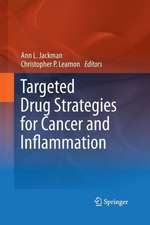 Targeted Drug Strategies for Cancer and InflammationAnn L. Jackman-5%Preț: 1050.57 lei1105.86 lei
 -
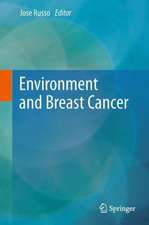 Environment and Breast CancerJose Russo-5%Preț: 1049.67 lei1104.92 lei
 -
 Brain Cancer, Tumor Targeting & Cervical CancerElena K Salvatti-30%Preț: 673.95 lei960.41 lei
 -
 -30%Preț: 307.66 lei439.82 lei
 -
 Breast Cancer Screening & PreventionJonathan D Pegg-30%Preț: 490.32 lei702.10 lei
 -
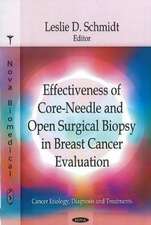 -30%Preț: 1071.66 lei1532.94 lei
 -
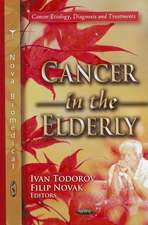 Cancer in the ElderlyIvan Todorov-30%Preț: 815.34 lei1169.05 lei
 -
 Hepatocellular Carcinoma: A Global ChallengeIsabelle Chemin-30%Preț: 1120.42 lei1605.06 lei
 -
 Palliativmedizin heuteEberhard Klaschik-5%Preț: 439.53 lei462.66 lei
 -
 Autonomie und Vertrauen: Schlüsselbegriffe der modernen MedizinHolmer SteinfathPreț: 468.01 lei
Public țintă
Professional/practitionerDe ce să citești această carte
Recomandăm această lucrare profesioniștilor care doresc să stăpânească nuanțele farmacologice și clinice ale îngrijirii paliative moderne. Cititorul câștigă o înțelegere profundă a modului în care simptomele variază în funcție de tipul de cancer, primind protocoale concrete pentru gestionarea durerii și a fazei terminale. Este un instrument indispensabil pentru oncologii care vor să integreze suportul paliativ încă din primele stadii ale bolii.