
Orwell: A Celebration: Oberon Modern Plays
Autor George Orwell Adaptat de Dominic Cavendishen Limba Engleză Paperback – 8 iun 2009
As well as placing two of his best-loved essays - Shooting an Elephant and A Hanging - in a theatrical context, Cavendish has distilled The Ministry of Love interrogation scenes from 1984 into a short, sharp, shocking vignette of a man's inhumanity to man. Together they demonstrate the enduring power and range of Orwell's writing, its observational clarity, bracing humour and political intensity.
Orwell: A Celebration was in production at the Trafalgar Studios, London, in June 2009.
Din seria Oberon Modern Plays
- 37%
 Preț: 68.52 lei
 - 26%
 Preț: 55.44 lei
 - 19%
 Preț: 148.66 lei
 - 26%
 Preț: 61.88 lei
 - 25%
 Preț: 69.49 lei
 - 26%
 Preț: 57.54 lei
 - 25%
 Preț: 75.68 lei
 - 26%
 Preț: 67.32 lei
 - 26%
 Preț: 67.06 lei
 - 26%
 Preț: 67.45 lei
 - 26%
 Preț: 62.10 lei
 - 25%
 Preț: 68.48 lei
 - 25%
 Preț: 80.64 lei
 -
 Preț: 39.11 lei
 - 14%
 Preț: 64.85 lei
 - 26%
 Preț: 67.32 lei
 - 25%
 Preț: 68.28 lei
 - 25%
 Preț: 68.28 lei
 - 18%
 Preț: 48.63 lei
 - 15%
 Preț: 74.37 lei
 - 24%
 Preț: 71.32 lei
 - 26%
 Preț: 67.88 lei
 - 25%
 Preț: 75.28 lei
 - 25%
 Preț: 68.69 lei
 - 25%
 Preț: 68.69 lei
 - 18%
 Preț: 61.57 lei
 - 23%
 Preț: 87.77 lei
 - 23%
 Preț: 80.73 lei
 - 25%
 Preț: 68.28 lei
 - 25%
 Preț: 65.05 lei
 - 25%
 Preț: 59.74 lei
 - 14%
 Preț: 58.52 lei
 - 43%
 Preț: 47.53 lei
 - 14%
 Preț: 64.00 lei
 - 25%
 Preț: 70.03 lei
 - 26%
 Preț: 67.45 lei
 - 24%
 Preț: 72.17 lei
 - 26%
 Preț: 46.84 lei
 - 25%
 Preț: 68.28 lei
 - 18%
 Preț: 74.77 lei
 - 16%
 Preț: 80.49 lei
 - 25%
 Preț: 68.28 lei
 - 24%
 Preț: 76.55 lei
 - 24%
 Preț: 79.59 lei
 - 26%
 Preț: 67.45 lei
 - 25%
 Preț: 68.32 lei
 - 19%
 Preț: 73.82 lei
 - 25%
 Preț: 70.46 lei
 - 23%
 Preț: 74.35 lei
 - 12%
 Preț: 73.49 lei
Preț: 86.11 lei
Preț vechi: 103.83 lei
-17%
Puncte Express: 129
Carte tipărită la comandă
Livrare economică 09-23 decembrie
Livrare prin curier în România Termenul estimat este afișat lângă disponibilitate.
Transport gratuit de la 400.00 lei Plată online sau ramburs, în funcție de opțiunile comenzii.
Retur gratuit în 14 zile Comandă securizată și suport în română.
Specificații
ISBN-13: 9781840029314
ISBN-10: 1840029315
Pagini: 80
Dimensiuni: 130 x 210 x 5 mm
Greutate: 0.1 kg
Editura: Bloomsbury Publishing
Colecția Oberon Books
Seria Oberon Modern Plays
Locul publicării:London, United Kingdom
ISBN-10: 1840029315
Pagini: 80
Dimensiuni: 130 x 210 x 5 mm
Greutate: 0.1 kg
Editura: Bloomsbury Publishing
Colecția Oberon Books
Seria Oberon Modern Plays
Locul publicării:London, United Kingdom
V-ar putea interesa
-
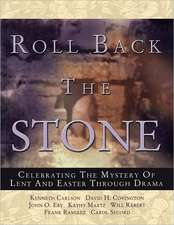 Roll Back the StoneKathy MartzPreț: 147.15 lei
 -
 Mrs FarnsworthA R GurneyPreț: 99.57 lei
 -
 -21%Preț: 143.65 lei182.15 lei
 -
 The Sign of JonahGuenter RutenbornPreț: 50.62 lei
 -
 Dolly MixtureDorothy BeaumontPreț: 97.03 lei
 -
 How to Enjoy ShakespeareRobert Thomas Fallon-9%Preț: 98.51 lei108.44 lei
 -
 -19%Preț: 55.72 lei69.14 lei
 -
 HijraAsh Kotak-18%Preț: 84.73 lei102.71 lei
 -
 Sol B. River: Plays TwoSol B. River-16%Preț: 110.82 lei131.56 lei
 -
 adrenalin…heartGeorgia Fitch-12%Preț: 80.54 lei91.22 lei
 -
 -15%Preț: 134.83 lei157.89 lei
 -
 HuddersfieldUglješa ŠajtinacPreț: 57.53 lei
 -
 Heartbroken MaryMarcelo Bertuccio-14%Preț: 58.52 lei68.35 lei
 -
 The Three Plays (Lenz)Jacob LenzPreț: 91.89 lei
 -
 George Orwell - De två mästerverkGeorge OrwellPreț: 171.42 lei
 -
 George Orwell - I due capolavoriGeorge OrwellPreț: 172.92 lei
 -
 George Orwell - Les deux chefs-d'¿uvreGeorge OrwellPreț: 173.44 lei
 -
 Preț: 172.65 lei
 -
 Preț: 38.22 lei