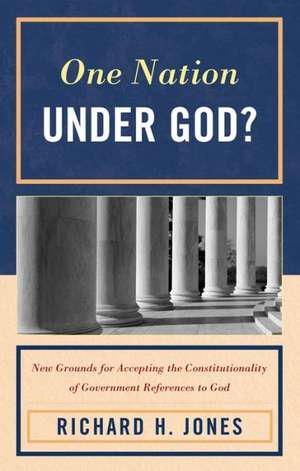
One Nation Under God?: New Grounds for Accepting the Constitutionality of Government References to God
Autor Richard H. Jonesen Limba Engleză Paperback – 3 sep 2013
Preț: 263.63 lei
Preț vechi: 366.74 lei
-28%
Puncte Express: 395
Carte tipărită la comandă
Livrare economică 06-20 iunie
Specificații
ISBN-13: 9780761861621
ISBN-10: 0761861629
Pagini: 184
Dimensiuni: 152 x 229 x 15 mm
Greutate: 0.3 kg
Editura: Bloomsbury Publishing
Colecția University Press of America
Locul publicării:New York, United States
ISBN-10: 0761861629
Pagini: 184
Dimensiuni: 152 x 229 x 15 mm
Greutate: 0.3 kg
Editura: Bloomsbury Publishing
Colecția University Press of America
Locul publicării:New York, United States
V-ar putea interesa
-
 Religion, Civil Society, and Peace in Northern IrelandJohn D. BrewerPreț: 266.81 lei
 -
 Religion and the Public Order of the European UnionRonan McCrea-31%Preț: 333.26 lei480.67 lei
 -
 Righteous Rhetoric: Sex, Speech, and the Politics of Concerned Women for AmericaLeslie Dorrough SmithPreț: 343.72 lei
 -
 -7%Preț: 628.82 lei676.38 lei
 -
 Constitutional Secularism in an Age of Religious RevivalSusanna Mancini-27%Preț: 815.65 lei1109.77 lei
 -
 Religion, Modernity, and Politics in HegelThomas A. Lewis-12%Preț: 229.49 lei261.68 lei
 -
 Teaching the I Ching (Book of Changes)Geoffrey Redmond-34%Preț: 663.21 lei997.65 lei
 -
 -14%Preț: 738.31 lei858.50 lei
 -
 -8%Preț: 229.85 lei249.64 lei
 -
 -28%Preț: 249.71 lei348.17 lei
 -
 Reality, Grief, HopeWalter BrueggemannPreț: 115.03 lei
 -
 When Governments StumbleBen Freeth Freeth MbePreț: 69.12 lei
 -
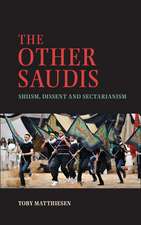 The Other Saudis: Shiism, Dissent and SectarianismToby MatthiesenPreț: 227.54 lei
 -
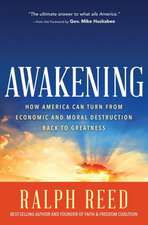 Preț: 249.11 lei
 -
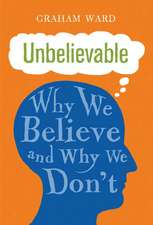 Unbelievable: Why We Believe and Why We Don'tProf. Graham Ward-17%Preț: 333.61 lei401.73 lei
 -
 The Faith of the FaithlessSimon CritchleyPreț: 175.10 lei
Cuprins
Preface
1. A Brief History of Government's References to God
"In God We Trust"
The Pledge and "Under God"
Religion and the Early Federal Government
American Civil Religion
2. Religion, the Constitution, and the Supreme Court
No Religious Tests
The Nonestablishment Clause
The Free Exercise Clause
The Free Speech Clause
Separationist and Accommodationist Ideals
Neutrality
The Lemon Test
The Endorsement Test
The Reasonable or Objective Observer
The Coercion Test
Acknowledgments of Our Religious Heritage
Legal Judgment
The Constitution and the Supreme Court
3. God-References and the Courts
Supreme Court Dicta
State Court Decisions
Lower Federal Court Decisions
Newdow v. the United States Congress
4. Assessing the Courts' Arguments
Do the God-References Have Religious Meaning?
Have God-References Lost Their Religious Nature?
Affirmations, Creeds, and Entailed Beliefs
Ceremonial Deism
Historical Acknowledgments
Religious Symbolism and the Supreme Court
Religious Symbolism and Endorsement
Conclusion
5. A Better Approach for Upholding Government References to God
Religion Versus Religious Institutions
Sectarian and Nonsectarian Symbols
The Threshold Question
The Problem of Any Religious Symbols
Limitations on Symbolic Aid to Religion
Use of Other Religious Symbols
Government God-References in Public Schools
The Drawbacks to This Approach
Conclusion
Church-State Cases Cited
References and Other Works
Index
1. A Brief History of Government's References to God
"In God We Trust"
The Pledge and "Under God"
Religion and the Early Federal Government
American Civil Religion
2. Religion, the Constitution, and the Supreme Court
No Religious Tests
The Nonestablishment Clause
The Free Exercise Clause
The Free Speech Clause
Separationist and Accommodationist Ideals
Neutrality
The Lemon Test
The Endorsement Test
The Reasonable or Objective Observer
The Coercion Test
Acknowledgments of Our Religious Heritage
Legal Judgment
The Constitution and the Supreme Court
3. God-References and the Courts
Supreme Court Dicta
State Court Decisions
Lower Federal Court Decisions
Newdow v. the United States Congress
4. Assessing the Courts' Arguments
Do the God-References Have Religious Meaning?
Have God-References Lost Their Religious Nature?
Affirmations, Creeds, and Entailed Beliefs
Ceremonial Deism
Historical Acknowledgments
Religious Symbolism and the Supreme Court
Religious Symbolism and Endorsement
Conclusion
5. A Better Approach for Upholding Government References to God
Religion Versus Religious Institutions
Sectarian and Nonsectarian Symbols
The Threshold Question
The Problem of Any Religious Symbols
Limitations on Symbolic Aid to Religion
Use of Other Religious Symbols
Government God-References in Public Schools
The Drawbacks to This Approach
Conclusion
Church-State Cases Cited
References and Other Works
Index