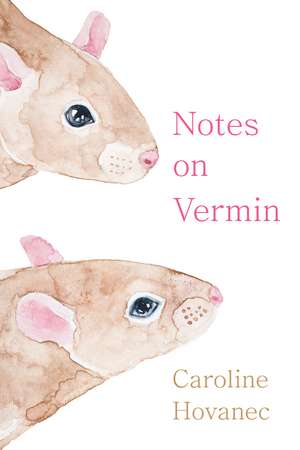
Notes on Vermin
Autor Caroline Hovanecen Limba Engleză Paperback – 28 ian 2025
În peisajul academic actual, studiile despre animale au neglijat adesea creaturile care provoacă dezgust sau teamă, concentrându-se pe specii carismatice. Ne-a atras atenția modul în care Notes on Vermin vine să umple această lacună, oferind un atlas al dăunătorilor literari — de la șobolani și gândaci la țânțari și viermi — priviți nu doar ca metafore politice degradante, ci ca subiecți complecși în literatura modernă și contemporană. Găsim în această lucrare o încercare curajoasă de a recupera aceste „vieți excedentare” din marginile puterii, transformându-le în instrumente de analiză a culturii și mediului.
Cititorii familiarizați cu Modernist Parasites de Sebastian Williams vor aprecia modul în care Caroline Hovanec extinde discuția despre parazitismul biologic și social, trecând dincolo de simplul antagonism uman-animal către o explorare a „artei comensalismului”. Dacă lucrările anterioare, precum Animal Subjects: Volume 1, poziționau animalele ca subiecți în contextul teoriei evoluționiste, noul volum rafinează această perspectivă prin prisma biopoliticii și a eco-marxismului, analizând cum dăunătorii oglindesc structurile de opresiune umană.
Structura volumului este riguroasă, fiind organizată în cinci capitole tematice care urmăresc o progresie de la teoretizarea dăunătorului („Theorizing Vermin”) către aplicații specifice: gândul vermicular, mișcările fugitive, parazitul și, în final, conceptul de viață de prisos. Apreciem în mod deosebit caracterul accesibil al eseurilor, care reușesc să lege figuri literare canonice, precum Gregor Samsa, de realități socio-politice contemporane, oferind o perspectivă proaspătă asupra modului în care speciile considerate „indezirabile” definesc, prin contrast, umanitatea.
Preț: 184.22 lei
Carte disponibilă
Livrare economică 14-28 noiembrie
Specificații
ISBN-10: 0472057200
Pagini: 204
Dimensiuni: 152 x 229 x 18 mm
Greutate: 0.28 kg
Editura: UNIVERSITY OF MICHIGAN PRESS
Colecția University of Michigan Press
De ce să citești această carte
Această carte este esențială pentru cercetătorii din domeniul criticii literare și al studiilor culturale care doresc să înțeleagă cum limbajul despre dăunători a fost utilizat pentru a marginaliza grupuri umane. Cititorul câștigă o perspectivă interdisciplinară valoroasă asupra modului în care literatura poate reabilita specii disprețuite, oferind un nou cadru de analiză pentru relația dintre ecologie, politică și identitate.
Despre autor
Caroline Hovanec este o cercetătoare specializată în relația dintre literatura modernistă și știință. În lucrările sale anterioare, precum Animal Subjects: Volume 1, a explorat modul în care scriitorii britanici de la începutul secolului XX au integrat teoria evoluționistă a lui Darwin pentru a redefini subiectivitatea animală. Prin Notes on Vermin, publicată la UNIVERSITY OF MICHIGAN PRESS, Hovanec își extinde aria de expertiză către speciile liminale, utilizând un instrumentar teoretic vast ce include psihoanaliza și biopolitica pentru a analiza reprezentările culturale ale dăunătorilor.
Descriere scurtă
Notes on Vermin is an atlas of the literary vermin that appear in modern and contemporary literature, from Franz Kafka’s gigantic insect to Richard Wright’s city rats to Namwali Serpell’s storytelling mosquitoes. As parasites, trespassers, and collectives, vermin animals prove useful to writers who seek to represent life in the margins of power. Drawing on psychoanalysis, cultural studies, eco-Marxism, and biopolitics, this book explores four uses for literary vermin: as figures for the repressed thought, the uncommitted fugitive, the freeloading parasite, and the surplus life. In a series of short, accessible, interlinked essays, Notes on Vermin explores what animal pests can show us about our cultures, our environments, and ourselves.
Notă biografică
Cuprins
Chapter One: Theorizing Vermin
Gregor Samsa
Definition
Verminous Sublime
Pesticide
The Creaturely
Ratwork
Chapter Two: The Verminous Thought
Rat-Man
Mosquito
Eating the Cockroach
Creepiness
The Unhomely
Chapter Three: Fugitive Movements
Sardonic Rat
Out of Place
Boll Weevil Blues
Mickey Mouse
Undercity
Chapter Four: The Parasite
Upstairs, Downstairs
Parasitology
Down the Drain
The Art of Commensalism
The Shared Table
Chapter Five: Surplus Life
Passenger Pigeon
Kitchenette Rat
The Rats of Trade
The Errant Swarm
Worms
Bibliography
Recenzii
“Notes on Vermin will become a standard study on the subject and will undoubtedly inspire additional work on what the term means in Western culture. . . . Essential.”