
Microplastics in Aquatic Systems: Detection, Impact, and Remediation
Editat de Pasquale Avino, Cristina Di Fioreen Limba Engleză Paperback – sep 2026
All chapters feature a Discussion section to highlight research innovations, and insights while offering different perspectives on the topic. Additionally, a dedicated section on Future Perspectives and Innovation explores potential developments and emerging research directions. By bridging scientific research, technological innovation, and socio-economic considerations, this book aims to provide valuable insights for those working towards sustainable solutions to microplastic pollution in aquatic systems.
- Includes flowcharts, step-by-step processes, bulletpoint summaries, supplementary information boxes, and comparative tables of technologies to synthesize chapter content and facilitate information retrieval for the reader
- Provides innovative and applicable solutions for real-world contexts that are aimed at supporting the integration of science with the variability of real-case scenarios
- Offers a comprehensive understanding of the latest technological innovations, including AI and sensor technologies for efficient and effective microplastic detection and mitigation in aquatic ecosystems
Preț: 861.27 lei
Preț vechi: 1241.71 lei
-31% Nou
Puncte Express: 1292
Carte disponibilă
Livrare economică 03-17 noiembrie
Livrare prin curier în România Termenul estimat este afișat lângă disponibilitate.
Transport gratuit pentru acest produs Plată online sau ramburs, în funcție de opțiunile comenzii.
Retur gratuit în 14 zile Comandă securizată și suport în română.
Specificații
ISBN-13: 9780443451584
ISBN-10: 0443451583
Pagini: 320
Dimensiuni: 191 x 235 mm
Greutate: 0.45 kg
Editura: ELSEVIER SCIENCE
ISBN-10: 0443451583
Pagini: 320
Dimensiuni: 191 x 235 mm
Greutate: 0.45 kg
Editura: ELSEVIER SCIENCE
V-ar putea interesa
-
 Using Artificial Intelligence Absolute Beginner's GuideMichael Miller-20%Preț: 201.72 lei252.15 lei
 -
 Microplastics in Human ConsumptionE. V. Ramasamy-5%Preț: 170.00 lei178.94 lei
 -
 Marine Microbiology: Ecology & ApplicationsColin Munn-9%Preț: 791.03 lei869.26 lei
 -
 Microplastics in the EnvironmentRao Y Surampalli-23%Preț: 1698.36 lei2205.66 lei
 -
 -20%Preț: 1433.79 lei1792.23 lei
 -
 Advances in Environmental Research: Volume 18Justin A Daniels-26%Preț: 730.58 lei992.26 lei
 -
 Advances in AI for Cloud, Edge, and Mobile Computing ApplicationsShrikaant Kulkarni-20%Preț: 1296.62 lei1620.78 lei
 -
 Handbook of Microplastics in the EnvironmentTeresa Rocha-Santos-18%Preț: 3488.96 lei4254.83 lei
 -
 -15%Preț: 694.07 lei816.55 lei
 -
 Microplastic in the Environment: Pattern and ProcessMichael S. BankPreț: 348.80 lei
 -
 -18%Preț: 727.70 lei887.45 lei
 -
 MicroplasticsRamkumar Muthuvairavasamy-20%Preț: 593.13 lei741.41 lei
 -
 Microplastics in the Mediterranean SeaMonique MancusoPreț: 366.94 lei
 -
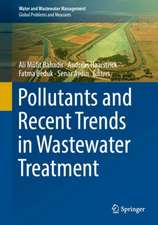 Pollutants and Recent Trends in Wastewater TreatmentAli Müfit Bahadir-18%Preț: 935.57 lei1140.95 lei
 -
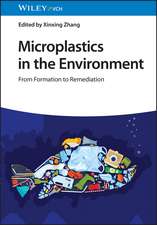 Microplastics in the EnvironmentXinxing Zhang-14%Preț: 907.78 lei1055.55 lei
 -
 -14%Preț: 858.74 lei998.53 lei
 -
 Micro- and Nano-Systems in 21st-CenturyVinayak Pachkawade-18%Preț: 1044.45 lei1273.73 lei
 -
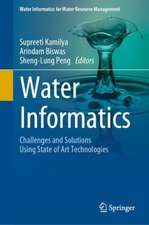 Water InformaticsSupreeti Kamilya-18%Preț: 1153.38 lei1406.56 lei
 -
 AI and MicroservicesDileep Kumar Pandiya-20%Preț: 263.90 lei329.88 lei
Cuprins
1. Microplastic’s Occurrence in Water Systems: Current Status and Future Directions
2. Sampling and Analytical Methodologies of Microplastics from Water Systems: Identifying Pitfalls and Challenges Innovative Tools for Chemical Identification of Microplastics
Part II Innovative Tools for Chemical Identification of Microplastics
3. Innovative Tools for Rapidly Identification of Microplastics in Aquatic Systems
4. Field-Portable Sensor for in situ Qualification of Microplastics
5. AI in the in-situ quali-quantification of Microplastics
6. Practical Applications of AI in the Chemical Analysis of Microplastics – A Case Study
7. 3D Coherent Imaging with Machine Learning for Rapid Identification of Microplastics
8. Microplastic-Associated Contaminants: Their Role in Water Systems
9. Innovative Tools for In-Situ and Real-Time Detection of Microplastic-Associated Contaminants
Part III Innovative Tools for Ecotoxicological Studies on Microplastics
10. Microplastics and Living Organisms: Are They at Risk?
11. Artificial Intelligence and 3D Model to Understand Microplastic’s Behavior in Living Organism’s Body – A Case Study
Part IV Socio-Economic Aspects and Remediation of Aquatic Environment
12. Socio-Economic Impact of Microplastics on the Fish Market
13. Microplastic Remediation in Aquatic Systems: Advantages and Limitations of Traditional Methods
14. Innovative Tools and Technologies for Microplastic’s Clearance from Water Systems
15. Green Remediation of Aquatic Systems from Microplastics
16. Bioremediation: Bacteria and Fungi for Microplastic’s Clearance from Aquatic Systems
17. Removing Microplastics from Water: Success Stories and Challenges
Part V Innovations in understanding Microplastic’s Occurrence in Aquatic Systems due to Anthropogenic Activitieas
18. The Impact of Tourism on Microplastic Release in Aquatic Systems
19. Machine-Learning and AI for Predicting Microplastic’s Levels in Water Systems due to Anthropogenic Activities
Part VI Microplastic’s Regulation and Future Perspectives
20. European Regulatory Aspects about Microplastic’s Management
21. Regulatory Aspects about Microplastics: A Global Overview
2. Sampling and Analytical Methodologies of Microplastics from Water Systems: Identifying Pitfalls and Challenges Innovative Tools for Chemical Identification of Microplastics
Part II Innovative Tools for Chemical Identification of Microplastics
3. Innovative Tools for Rapidly Identification of Microplastics in Aquatic Systems
4. Field-Portable Sensor for in situ Qualification of Microplastics
5. AI in the in-situ quali-quantification of Microplastics
6. Practical Applications of AI in the Chemical Analysis of Microplastics – A Case Study
7. 3D Coherent Imaging with Machine Learning for Rapid Identification of Microplastics
8. Microplastic-Associated Contaminants: Their Role in Water Systems
9. Innovative Tools for In-Situ and Real-Time Detection of Microplastic-Associated Contaminants
Part III Innovative Tools for Ecotoxicological Studies on Microplastics
10. Microplastics and Living Organisms: Are They at Risk?
11. Artificial Intelligence and 3D Model to Understand Microplastic’s Behavior in Living Organism’s Body – A Case Study
Part IV Socio-Economic Aspects and Remediation of Aquatic Environment
12. Socio-Economic Impact of Microplastics on the Fish Market
13. Microplastic Remediation in Aquatic Systems: Advantages and Limitations of Traditional Methods
14. Innovative Tools and Technologies for Microplastic’s Clearance from Water Systems
15. Green Remediation of Aquatic Systems from Microplastics
16. Bioremediation: Bacteria and Fungi for Microplastic’s Clearance from Aquatic Systems
17. Removing Microplastics from Water: Success Stories and Challenges
Part V Innovations in understanding Microplastic’s Occurrence in Aquatic Systems due to Anthropogenic Activitieas
18. The Impact of Tourism on Microplastic Release in Aquatic Systems
19. Machine-Learning and AI for Predicting Microplastic’s Levels in Water Systems due to Anthropogenic Activities
Part VI Microplastic’s Regulation and Future Perspectives
20. European Regulatory Aspects about Microplastic’s Management
21. Regulatory Aspects about Microplastics: A Global Overview