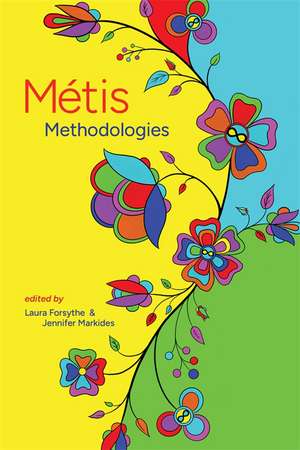
Métis Methodologies
Editat de Laura Forsythe, Jennifer Markidesen Limba Engleză Paperback – sep 2026
Positioned in the context of decolonial research, this collection argues that research undertaken by Métis scholars can and should reflect specific Métis experiences of colonization. This collection represents a groundbreaking contribution to Métis research methodologies. It offers a framework for conducting research in Métis contexts and serves as an accessible entry point for those interested in learning about Métis epistemology, ontology, and axiology. In response to a community request, this collection showcases Métis ways of knowing, being, and doing in research.
Through grounded examples in research projects on Michif language revitalization, land-based pedagogy, health research, digital storytelling, and literary criticism, readers will learn specific techniques for research in this important contribution to decolonial knowledge production and research methodologies.
Preț: 154.96 lei
Preț vechi: 201.39 lei
-23% Nou
Puncte Express: 232
Carte disponibilă
Livrare economică 02-16 noiembrie
Livrare prin curier în România Termenul estimat este afișat lângă disponibilitate.
Transport gratuit de la 400.00 lei Plată online sau ramburs, în funcție de opțiunile comenzii.
Retur gratuit în 14 zile Comandă securizată și suport în română.
Specificații
ISBN-13: 9781773638225
ISBN-10: 177363822X
Pagini: 256
Dimensiuni: 152 x 229 x 6 mm
Greutate: 0.45 kg
Editura: Fernwood Publishing
Colecția Fernwood Publishing
Locul publicării:Canada
ISBN-10: 177363822X
Pagini: 256
Dimensiuni: 152 x 229 x 6 mm
Greutate: 0.45 kg
Editura: Fernwood Publishing
Colecția Fernwood Publishing
Locul publicării:Canada
Cuprins
- Part I: Métis Ways of Knowing: Transforming Research and Practice
- Chapter 1:: Evolution of a Métis Research Methodology Over Fifteen Years (Chantal Fiola)
- Chapter 2:: Intertwined Michif Methodology: Métis-Specific Research (Laura Forsythe)
- Chapter 3:: Developing a Red River Métis Methodology Through Relationality for Health Research (Michelle Driedger and Josee LaVallee)
- Chapter 4:: Whips and Wallows: Approaches in Métis Literary Criticism (Matthew Tétreault)
- Chapter 5:: Methods in Motion: Walking-with Indigenous and Western approaches as Métis methodology (Lydia Toorenburgh)
- Part II: Honoring Métis Values: Ethical Approaches to Research
- Chapter 6:: Aunty Ethics: Métis Perspectives on Ethics, Research, and Life in the Academy (Sherry Farrell Racette, Beverly Cardinal, Allyson Stevenson, Merelda Fiddler-Potter, & Emily Grafton)
- Chapter 7:: Research within Métis Community Work: Methodological tensions and possibilities in a Two-Spirit Michif research ethic (Lucy Delgado)
- Chapter 8:: Being a Good Relative in Language Reclamation Research (Russ Fayant and Melanie Griffith Brice)
- Chapter 9:: La Vayritii Wiihtamakayhk: Relational and Ethical Considerations in Using Digital Storytelling as Métis Methodology (Amanda LaVallee and Yvonne Poitras Pratt)
Recenzii
“Métis Methodologies is a master class in cutting-edge thought, fierce creativity, and intellectual sovereignty. It offers the reader an experience on how Métis knowledge keepers visit, sit at a kitchen table, and debate, and how a nation critically defines itself. Encyclopedic and exceptional in scope and research, this collection of Métis brilliance represents a turning point in the field and forges paths for future Métis thinkers.”
“Reading this book felt like healing. It felt like a good kitchen table visit with some of the smartest folks I know. Métis Methodologies is a thorough and accessible compendium of Métis approaches to research and scholarship, and a beautiful meeting and sharing of ideas and histories. Chi Maarsii, cousins.”
“Métis Methodologies is a powerful storying by Métis scholars who carry the stories and teachings of their Ancestors and communities in academic and communal spaces. This is an inspiring cultivation of contributors and Métis ways for others to look to and learn from.”
“This collection honours the diverse voices and lived experiences of Métis scholars, rooted in the unique realities of their communities. It reflects our shared and distinct knowledges, challenges, and hopes across generations. Grounded in relationality, accountability, resistance, revival, and celebration, this collection speaks to the strength and continuity of Métis identity.”
“Reading this book felt like healing. It felt like a good kitchen table visit with some of the smartest folks I know. Métis Methodologies is a thorough and accessible compendium of Métis approaches to research and scholarship, and a beautiful meeting and sharing of ideas and histories. Chi Maarsii, cousins.”
“Métis Methodologies is a powerful storying by Métis scholars who carry the stories and teachings of their Ancestors and communities in academic and communal spaces. This is an inspiring cultivation of contributors and Métis ways for others to look to and learn from.”
“This collection honours the diverse voices and lived experiences of Métis scholars, rooted in the unique realities of their communities. It reflects our shared and distinct knowledges, challenges, and hopes across generations. Grounded in relationality, accountability, resistance, revival, and celebration, this collection speaks to the strength and continuity of Métis identity.”