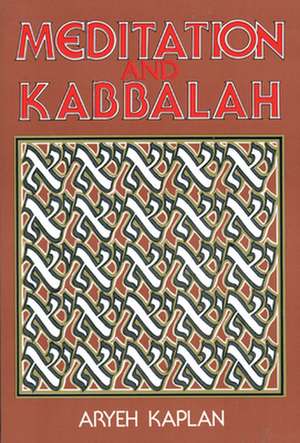
Meditation and Kabbalah
Autor Aryeh Kaplanen Limba Engleză Paperback – noi 1982
Observăm în ultimele decenii o evoluție semnificativă a studiilor iudaice, care au trecut de la analiza pur istorică sau filozofică a textelor la o redescoperire a dimensiunii lor experiențiale. Meditation and Kabbalah reprezintă un pilon central în această tranziție, fiind prima lucrare care dezvăluie metodologia concretă a școlilor cabalistice, dincolo de ramura teoretică intens mediatizată. Suntem de părere că rigoarea cu care Aryeh Kaplan abordează subiectul transformă această ediție revizuită într-un instrument indispensabil pentru înțelegerea modului în care misticii evrei utilizau mantrele și vizualizarea.
Descoperim aici o structură clară care ghidează cititorul prin texte complexe precum „Hekhalot” sau scrierile lui Abraham Abulafia. Autorul reușește să facă accesibile tehnici care au fost secole la rând păstrate în cerc restrâns, oferind în același timp o interpretare modernă, influențată de expertiza sa în fizică. Considerăm această lucrare o alternativă tehnică și aplicată la Kabbalah de Perle Besserman pentru cursurile de misticism comparat, având avantajul unei profunzimi de neegalat în ceea ce privește instrucțiunile meditative practice.
În contextul operei sale, Meditation and Kabbalah servește drept fundament pentru alte lucrări celebre ale sale, precum Sefer Yetzirah, unde Aryeh Kaplan explorează implicațiile magice și telepatice ale textelor vechi. Dacă în The Seven Beggars autorul se apleacă asupra narativului și simbolismului hasidic, în volumul de față el prioritizează rigoarea tehnică și reconstrucția sistematică a practicii tăcute, oferind o perspectivă unică asupra legăturii dintre tradiția profetică și sistemele meditative orientale.
Preț: 142.78 lei
Carte disponibilă
Livrare economică 20 noiembrie-02 decembrie
Specificații
ISBN-10: 0877286167
Pagini: 368
Dimensiuni: 222 x 146 x 27 mm
Greutate: 0.52 kg
Ediția:Revised edition
Editura: RED WHEEL/WEISER
Colecția Weiser Books
De ce să citești această carte
Această carte este esențială pentru cei care doresc să depășească teoria și să înțeleagă mecanismele psihologice și spirituale ale Cabalei. Cititorul câștigă acces la tehnici autentice de concentrare și vizualizare, explicate prin prisma unui autor care a stăpânit deopotrivă fizica modernă și textele sacre. Este o resursă rară ce transformă misticismul abstract într-o disciplină structurată, ideală pentru studiul academic sau practica personală.
Despre autor
Rabbi Aryeh Kaplan (1934–1983) a fost o personalitate rară în peisajul intelectual al secolului XX, reușind să îmbine studiile rabbinice profunde realizate la yeshivot-urile Mir din Brooklyn și Ierusalim cu o carieră de succes în domeniul fizicii. Deținător al unui master în fizică și inclus în „Who's Who in Physics”, Kaplan a folosit rigoarea științifică pentru a traduce și explica cele mai obscure texte cabalistice. În scurta sa carieră de doar doisprezece ani, a devenit unul dintre cei mai prolifici și respectați comentatori ai iudaismului în limba engleză, fiind recunoscut pentru capacitatea sa de a prezenta concepte metafizice complexe într-un limbaj lucid și accesibil.
Descriere scurtă
The Kabbalah is divided into three branches—the theoretical, the meditative, and the magical. While many books, both in Hebrew and English, have explored the theoretical Kabbalah, very little has been published regarding the meditative methods of the various schools of Kabbalah. Aryeh Kaplan’s landmark work, reveals the methodology of the ancient Kabbalists and stresses the meditative techniques that were essential to their discipline, including:
- the use of pictures or letter designs as objects of meditation
- the repetition of specific words or phrases, such as the divine names, to produce profound meditative state
In addition, Meditation and Kabbalah presents relevant portions of such meditative texts as:
- The Grellier Hekhalot, Textbook of the Merkava School
- The works of Abraham Abulafia
- Joseph Gikatalia's Gales of Light
- The Glltes of Holiness
- Gale of The Holy Spirit, Textbook of the Lurianic School
Descriere
The Kabbalah is divided into three branches-the theoretical, the meditative, and the practical. While many books, both in Hebrew and English, have explored the theoretical Kabbalah, virtually nothing has been published regarding the meditative methods of these schools. This is the first book published in any language that reveals the methodology of the Kabbalists and stresses the meditative techniques that were essential to their discipline. Kaplan offers a lucid presentation of the mantras, mandalas, and other devices used by these schools, as well as a penetrating interpretation of their significance in light of contemporary meditative research.
In addition, Meditation and Kabbalah presents relevant portions of such meditative texts as the Greater Hekhalot (textbook of the Merkava School), the writings of Abraham Abulafia, Joseph Gikatalia's Gates of Holiness, Gate of the Holy Spirit (textbook of the Lurianic School), and the important meditative hasidic classics. Also investigated is the intriguing possibility, suggested by the Zohar, that the meditative methods of the East might have been derived from the mystical techniques of the prophets.