
Mapping Early Modern Japan: University of California Press
Autor Marcia Yonemotoen Limba Engleză Hardback – 21 apr 2003
Din seria University of California Press
- 15%
 Preț: 489.42 lei
 - 16%
 Preț: 603.40 lei
 - 27%
 Preț: 718.91 lei
 -
 Preț: 308.50 lei
 - 23%
 Preț: 559.15 lei
 -
 Preț: 271.45 lei
 -
 Preț: 242.07 lei
 - 23%
 Preț: 523.05 lei
 - 23%
 Preț: 563.01 lei
 -
 Preț: 278.09 lei
 -
 Preț: 344.88 lei
 -
 Preț: 275.79 lei
 - 23%
 Preț: 453.32 lei
 -
 Preț: 314.96 lei
 - 23%
 Preț: 562.36 lei
 - 23%
 Preț: 507.53 lei
 - 23%
 Preț: 564.30 lei
 -
 Preț: 284.85 lei
 -
 Preț: 278.80 lei
 -
 Preț: 325.72 lei
 -
 Preț: 277.62 lei
 - 23%
 Preț: 561.82 lei
 - 23%
 Preț: 560.56 lei
 - 23%
 Preț: 561.87 lei
 - 23%
 Preț: 560.85 lei
 - 23%
 Preț: 566.17 lei
 -
 Preț: 166.31 lei
 -
 Preț: 526.65 lei
 -
 Preț: 277.16 lei
 - 23%
 Preț: 568.62 lei
 -
 Preț: 316.93 lei
 - 23%
 Preț: 563.97 lei
 -
 Preț: 165.19 lei
 -
 Preț: 515.97 lei
 -
 Preț: 196.27 lei
 -
 Preț: 255.56 lei
 - 23%
 Preț: 565.31 lei
 -
 Preț: 254.23 lei
 - 23%
 Preț: 565.58 lei
 -
 Preț: 301.23 lei
 - 23%
 Preț: 565.70 lei
 - 23%
 Preț: 562.07 lei
 -
 Preț: 285.86 lei
 - 23%
 Preț: 564.09 lei
Preț: 505.85 lei
Preț vechi: 656.95 lei
-23%
Puncte Express: 759
Carte tipărită la comandă
Livrare economică 19 noiembrie-03 decembrie
Livrare prin curier în România Termenul estimat este afișat lângă disponibilitate.
Transport gratuit pentru acest produs Plată online sau ramburs, în funcție de opțiunile comenzii.
Retur gratuit în 14 zile Comandă securizată și suport în română.
Specificații
ISBN-13: 9780520232693
ISBN-10: 0520232690
Pagini: 252
Dimensiuni: 162 x 239 x 29 mm
Greutate: 0.53 kg
Ediția:New.
Editura: UCAL POD
Colecția University of California Press
Seria University of California Press
Locul publicării:United States
ISBN-10: 0520232690
Pagini: 252
Dimensiuni: 162 x 239 x 29 mm
Greutate: 0.53 kg
Ediția:New.
Editura: UCAL POD
Colecția University of California Press
Seria University of California Press
Locul publicării:United States
V-ar putea interesa
-
 On ChinaKissingerPreț: 141.66 lei
 -
 Talking Back: The Idea of Civilization in the Indian Nationalist DiscourseSabyasachi BhattacharyaPreț: 407.56 lei
 -
 Preț: 290.01 lei
 -
 -16%Preț: 589.01 lei701.21 lei
 -
 Food and Fantasy in Early Modern JapanEric Rath-23%Preț: 505.33 lei656.28 lei
 -
 Golden–Silk Smoke – A History of Tobacco in China, 1550–2010Carol Benedict-23%Preț: 488.91 lei634.95 lei
 -
 Tropics of SavageryRobert Thomas Tierney-23%Preț: 509.16 lei661.25 lei
 -
 Primitive SelvesE. Taylor AtkinsPreț: 275.10 lei
 -
 -23%Preț: 485.34 lei630.30 lei
 -
 IndochinaPierre BrocheuxPreț: 255.82 lei
 -
 BeirutSamir KassirPreț: 248.17 lei
 -
 Six Records of a Life AdriftShen Fu-18%Preț: 105.71 lei129.13 lei
 -
 The Mongol Conquests in World HistoryTimothy MayPreț: 297.78 lei
 -
 Red RockJonathan CampbellPreț: 114.41 lei
Notă biografică
Marcia Yonemoto is Assistant Professor of History at the University of Colorado at Boulder.
Descriere
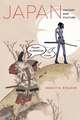
This work considers several texts, cultural practices and intellectual processes to chart the emergence of a new geographical conciousness in early modern Japan. The study shows how spatial and geographical knowledge confined to elites in early Japan became more widespread in the Tokugawa period.