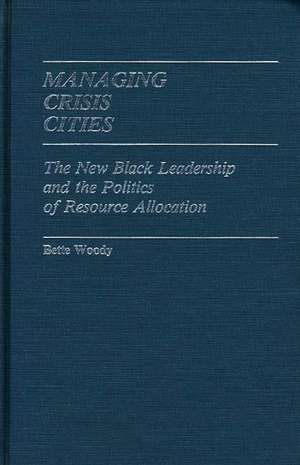
Managing Crisis Cities
Autor Bette Woodyen Limba Engleză Hardback – 28 dec 1982
Preț: 489.69 lei
Preț vechi: 803.90 lei
-39%
Puncte Express: 735
Carte tipărită la comandă
Livrare economică 05-19 ianuarie 27
Livrare prin curier în România Termenul estimat este afișat lângă disponibilitate.
Transport gratuit pentru acest produs Plată online sau ramburs, în funcție de opțiunile comenzii.
Retur gratuit în 14 zile Comandă securizată și suport în română.
Specificații
ISBN-13: 9780313230950
ISBN-10: 0313230951
Pagini: 250
Dimensiuni: 161 x 240 x 18 mm
Greutate: 0.49 kg
Editura: Praeger
V-ar putea interesa
-
 -16%Preț: 219.56 lei261.85 lei
-
 Living FanonF. FanonPreț: 409.27 lei
-
 -8%Preț: 645.12 lei701.22 lei
-
 Preț: 59.78 lei
-
 Preț: 247.70 lei
-
 Freedom Struggles – African Americans and World War IAdriane Lentz–smithPreț: 233.95 lei
-
 The Fisher KingPaule MarshallPreț: 94.34 lei
-
 Amazing GraceJonathan KozolPreț: 128.86 lei
-
 African Roots, Brazilian RitesC. SterlingPreț: 412.38 lei
-
 Punjabi Immigrant Mobility in the United StatesDiditi MitraPreț: 403.56 lei
Descriere
During the past two decades, one of the most significant political and social changes has been the transfer of urban political leadership from aging ethnic-dominated political machines to coalitions led by blacks in cities such as Detroit, Los Angeles, Atlanta, Newark, and New Orleans. Bette Woody's analysis of modern urban government examines the political transformation of the 1970s and 1980s in the context of the failures of machine politics, traditional reforms, and racial policies of the prior two decades. Also discussed is the rise of neighborhood-based political coalitions to support black candidates, business elite support that these new leaders acquired, and the aggressive reform platforms they developed. In analyzing possibilities and strategies for current reform Woody focuses on five black mayors of big cities. A detailed case study of the success and failure of reform during Kenneth Gibson's administration in Newark reveals the importance of reorganizing city agencies and tax and budget structures in successful innovation.