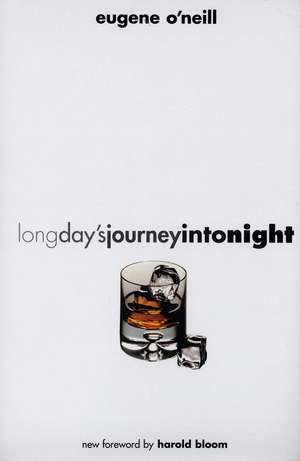
Long Day’s Journey into Night
Autor Eugene O'Neillen Limba Engleză Paperback – 8 feb 2002
În sfera dramaturgiei moderne, piesa Long Day’s Journey into Night ocupă un loc central, fiind considerată de critici și de publicul larg drept cea mai valoroasă lucrare a lui Eugene O'Neill. Această ediție publicată de Yale University Press reprezintă versiunea definitivă a textului, beneficiind de restaurarea unor linii de dialog și indicații scenice care au lipsit din edițiile anterioare. Structura narativă, concentrată pe parcursul unei singure zile din viața familiei Tyrone, oferă o perspectivă necruțătoare asupra tensiunilor dintre soți, părinți și copii.
Subliniem importanța caracterului autobiografic al piesei, pe care autorul a descris-o ca fiind scrisă „cu lacrimi și sânge”. Textul explorează teme precum dependența, regretul și neputința dragostei familiale de a vindeca rănile trecutului. În comparație cu The Cambridge Companion to Eugene O'Neill de Michael Manheim, care oferă o analiză academică a contextului istoric și creativ al autorului, volumul de față permite cititorului să experimenteze direct forța brută a limbajului lui O'Neill. De asemenea, lucrarea completează selecția Six Plays prin profunzimea psihologică a perioadei de maturitate.
Această a doua ediție este îmbogățită de analiza lui Harold Bloom, care poziționează textul în rândul marilor tragedii universale. Spre deosebire de tonul surprinzător de optimist din The Last Will and Testament of an Extremely Distinguished Dog, piesa de față rămâne fidelă realismului tragic și pesimismului personal care au definit opera laureatului Nobel, oferind o experiență de lectură densă, marcată de o onestitate emoțională copleșitoare.
Preț: 91.13 lei
Carte disponibilă
Livrare economică 13-27 noiembrie
Specificații
ISBN-10: 0300093055
Pagini: 192
Dimensiuni: 127 x 197 x 15 mm
Greutate: 0.16 kg
Ediția:Second Edition
Editura: Yale University Press
Colecția Yale University Press
V-ar putea interesa
-
 The Bell JarSylvia PlathPreț: 107.97 lei
 -
 -16%Preț: 232.41 lei277.14 lei
 -
 SnuffChuck PalahniukPreț: 98.18 lei
 -
 LolitaVladimir NabokovPreț: 110.37 lei
 -
 CathedralRaymond CarverPreț: 95.19 lei
 -
 Fear and Loathing in Las VegasHunter S. ThompsonPreț: 98.41 lei
 -
 The Great GatsbyF. Scott FitzgeraldPreț: 91.13 lei
 -
 Preț: 108.59 lei
 -
 Ray Bradbury's Fahrenheit 451Ray BradburyPreț: 110.08 lei
 -
 A Streetcar Named DesireTennessee WilliamsPreț: 71.93 lei
 -
 Cinema of OutsidersEmanuel LevyPreț: 286.12 lei
 -
 FactotumCharles BukowskiPreț: 99.21 lei
 -
 -22%Preț: 100.30 lei128.16 lei
 -
 -21%Preț: 165.37 lei209.60 lei
De ce să citești această carte
Recomandăm această piesă oricărui cititor interesat de dramaturgia clasică americană și de studiul psihologic al dinamicii familiale. Lectura oferă o înțelegere profundă a modului în care Eugene O'Neill a revoluționat teatrul prin introducerea realismului și a limbajului colocvial. Câștigarea Premiului Pulitzer confirmă valoarea literară a acestui text esențial pentru înțelegerea literaturii universale.
Despre autor
Eugene O'Neill (1888–1953) a fost un dramaturg american de renume mondial și laureat al Premiului Nobel pentru Literatură. Este recunoscut pentru introducerea tehnicilor realismului în teatrul din Statele Unite, fiind influențat de mari figuri europene precum Ibsen sau Strindberg. Opera sa se distinge prin utilizarea limbajului vernacular și prin portretizarea personajelor marginalizate care se luptă cu deziluzia și disperarea. Long Day’s Journey into Night este considerată piesa sa reprezentativă, reflectând propria sa istorie familială dureroasă și consolidându-i locul alături de giganți precum Tennessee Williams sau Arthur Miller.
Descriere scurtă
“The definitive edition.”—Boston Globe
Eugene O’Neill’s autobiographical play Long Day’s Journey into Night is regarded as his finest work. First published by Yale University Press in 1956, it won the Pulitzer Prize in 1957 and has since sold more than one million copies. This edition includes a Foreword by Harold Bloom, in which he writes: “By common consent, Long Day’s Journey into Night is Eugene O’Neill’s masterpiece. . . . The helplessness of family love to sustain, let alone heal, the wounds of marriage, of parenthood, and of sonship, have never been so remorselessly and so pathetically portrayed, and with a force of gesture too painful ever to be forgotten by any of us.”
Recenzii
“Drawing upon recent textual scholarship, the sixty-first printing of the Yale edition incorporates missing lines of dialogue accidentally dropped by O’Neill’s wife Carlotta as she retyped.”—American Literature
“Attractive frontispiece. Recommended for all college and university libraries.”—Choice
“No play Eugene O’Neill ever wrote speaks more eloquently to the reader. . . . Certainly no one, henceforth, will write of this other plays without remembering this, his most revealing of himself.”—Lewis Gannett, New York Herald Tribune
“I think he wrote it as an act of forgiveness. Not as a pontifical forgiveness, mind you, not as absolution for the harm that had been done to him. That he was damaged by his family is only a fact now. . . . He seems to be asking forgiveness for his own failure to know his father, mother, and brother well enough at a time when the need for understanding was like an upstairs cry in the night; and to be reassuring their ghosts, wherever they may be, that he knows everything awful that they have done, and loves them.”—Walter F. Kerr, New York Herald Tribune
Winner of the 1957 New York Drama Critics’ Circle Award
Winner of the 1957 Pulitzer Prize in Drama
“Long Day’s Journey into Night has long since become a classic not only of the American stage, but of universal theater. And apart from its secure place in literature, the play is an invaluable key to its author’s creative evolution. It serves as the Rosetta Stone of O’Neill’s life and art.”—Barbara Gelb
“Only an artist of O’Neill’s extraordinary skill and perception can draw the curtain on the secrets of his own family to make you peer into your own. Long Day’s Journey into Night is the most remarkable achievement of one of the world’s greatest dramatists.”—Jose Quintero
“Long Day’s Journey is O’Neill’s last, most realized play, a grand act of mercy upon his family and his own life.”—Arthur Miller
“The helplessness of family love to sustain, let alone heal, the wounds of marriage, of parenthood, and of sonship, have never been so remorselessly and so pathetically portrayed, and with a force of gesture too painful ever to be forgotten by any of us.”—Harold Bloom, from the Foreword