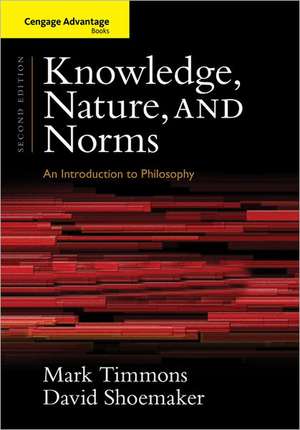
De ce să citești această carte
Această antologie este ideală pentru cei care doresc o introducere în filosofie fără a parcurge volume enciclopedice. Prin combinarea textelor clasice cu literatura modernă, Knowledge, Nature, and Norms face conceptele abstracte extrem de tangibile. Cititorul câștigă o bază solidă în epistemologie și etică, beneficiind de instrumente de autoevaluare care facilitează învățarea individuală sau cursul universitar.
Despre autor
Mark Timmons este profesor de filosofie la University of Arizona și un nume de referință în etica normativă și epistemologie. Activitatea sa academică este marcată de editarea prestigioasei serii anuale Oxford Studies in Normative Ethics, unde coordonează contribuții de vârf despre realismul moral și constructivism. Experiența sa în structurarea dezbaterilor etice complexe este transpusă în Knowledge, Nature, and Norms, unde colaborează cu David Shoemaker pentru a crea un material didactic echilibrat, care pune în dialog tradiția filosofică și provocările contemporane.
Cuprins
Preface. 1. INTRODUCTION. 2. PERSONAL IDENTITY AND IMMORTALITY. Frederik Pohl and C. M. Kornbluth, "The Meeting." Plato, "Phaedo." Clarence Darrow, "The Myth of the Soul." John Locke, "The Prince and the Cobbler." John Perry, "A Dialogue on Personal Identity and Immortality." Marya Schechtman, "Narrative Identity." Derek Parfit, "The Unimportance of Identity." 3. THE MIND-BODY PROBLEM. Terry Bisson, "They're Made Out of Meat." J.J.C. Smart, "Sensations and Brain Processes." Brie Gertler, "In Defense of Mind-Body Dualism." A.M. Turing, "Computing Machinery and Intelligence." John Searle, "Minds, Brains, and Machines." David J. Chalmers, "The Puzzle of Conscious Experience." 4. FREE WILL, DETERMINISM, AND RESPONSIBILITY. Greg Egan, "Reasons to Be Cheerful." Baron d'Holbach, "The Illusion of Free Will." C. A. Campbell, "Has the Self 'Free Will'?" Walter T. Stace, The Problem of Free Will." Galen Strawson, "The Impossibility of Moral Responsibility." P. F. Strawson, "Freedom and Resentment." Susan Wolf, "Sanity and the Metaphysics of Responsibility." 5. THE EXISTENCE OF GOD. Fyodor Dostoevsky, "Rebellion." St. Anselm/Gaunilo, "The Ontological Argument/The Lost Island Objection." St. Thomas Aquinas, "The Cosmological Argument." William Paley, "The Teleological Argument. William Lane Craig and Walter Sinnott-Armstrong, "The Evidence of Miracles: An Exchange Between a Christian and an Atheist." Blaise Pascal, "The Wager." Simon Blackburn, "God." David Hume, "The Problem of Evil." Derk Pereboom, "Theodicies." 6. KNOWLEDGE, SKEPTICISM, AND BELIEF. John L. Pollock, "A Brain in a Vat." Rene Descartes, "Within the Sphere of the Doubtful (Meditations I and II)." G. E. Moore, "Certainty." Peter Unger, "A Defense of Skepticism." William K. Clifford, "The Ethics of Belief." Peter van Inwagen, "Is It Wrong Everywhere, Always, and for Anyone to Believe Anything on Insufficient Evidence?" 7. ETHICS. Plato, "The Myth of Gyges." Gilbert Harman, "Moral Relativism." Thomas Nagel, "Right and Wrong." J.S. Mill, "In Defense of Utilitarianism."Immanuel Kant, "The Moral Law and Autonomy of the Will." W.D. Ross, "What Makes Right Actions Right?" Nel Noddings, "An Ethic of Caring." Aristotle, "Virtue and Character." GLOSSARY. INDEX.
Recenzii
Preface. 1. INTRODUCTION. 2. PERSONAL IDENTITY AND IMMORTALITY. Frederik Pohl and C. M. Kornbluth, "The Meeting." Plato, "Phaedo." Clarence Darrow, "The Myth of the Soul." John Locke, "The Prince and the Cobbler." John Perry, "A Dialogue on Personal Identity and Immortality." Marya Schechtman, "Narrative Identity." Derek Parfit, "The Unimportance of Identity." 3. THE MIND-BODY PROBLEM. Terry Bisson, "They're Made Out of Meat." J.J.C. Smart, "Sensations and Brain Processes." Brie Gertler, "In Defense of Mind-Body Dualism." A.M. Turing, "Computing Machinery and Intelligence." John Searle, "Minds, Brains, and Machines." David J. Chalmers, "The Puzzle of Conscious Experience." 4. FREE WILL, DETERMINISM, AND RESPONSIBILITY. Greg Egan, "Reasons to Be Cheerful." Baron d'Holbach, "The Illusion of Free Will." C. A. Campbell, "Has the Self 'Free Will'?" Walter T. Stace, The Problem of Free Will." Galen Strawson, "The Impossibility of Moral Responsibility." P. F. Strawson, "Freedom and Resentment." Susan Wolf, "Sanity and the Metaphysics of Responsibility." 5. THE EXISTENCE OF GOD. Fyodor Dostoevsky, "Rebellion." St. Anselm/Gaunilo, "The Ontological Argument/The Lost Island Objection." St. Thomas Aquinas, "The Cosmological Argument." William Paley, "The Teleological Argument. William Lane Craig and Walter Sinnott-Armstrong, "The Evidence of Miracles: An Exchange Between a Christian and an Atheist." Blaise Pascal, "The Wager." Simon Blackburn, "God." David Hume, "The Problem of Evil." Derk Pereboom, "Theodicies." 6. KNOWLEDGE, SKEPTICISM, AND BELIEF. John L. Pollock, "A Brain in a Vat." Rene Descartes, "Within the Sphere of the Doubtful (Meditations I and II)." G. E. Moore, "Certainty." Peter Unger, "A Defense of Skepticism." William K. Clifford, "The Ethics of Belief." Peter van Inwagen, "Is It Wrong Everywhere, Always, and for Anyone to Believe Anything on Insufficient Evidence?" 7. ETHICS. Plato, "The Myth of Gyges." Gilbert Harman, "Moral Relativism." Thomas Nagel, "Right and Wrong." J.S. Mill, "In Defense of Utilitarianism."Immanuel Kant, "The Moral Law and Autonomy of the Will." W.D. Ross, "What Makes Right Actions Right?" Nel Noddings, "An Ethic of Caring." Aristotle, "Virtue and Character." GLOSSARY. INDEX.
Descriere scurtă
Find everything you need for a solid introduction to philosophy with this brief, powerful text. One of the most concise introductory philosophy anthologies available, KNOWLEDGE, NATURE, AND NORMS: AN INTRODUCTION TO PHILOSOPHY, Second Edition features classical philosophy readings, short fiction, and literature from popular writers, as well as a wealth of effective learning tools. Concise, well-edited selections are designed to give first-time philosophy students what you need to succeed--a well-crafted focus on the essential elements of philosophical debate. Integrated learning tools, such as a comprehensive introductory essay at the beginning of the text, provides an overview of how to approach philosophy. Engaging Chapter Introductions highlight key arguments, while Reading Comprehension and Review Questions draw your attention to key ideas. A robust companion website further enhances learning with self-assessment exercises, study guides, and links to philosophical and other helpful resources. With this anthology, you'll find a complete range of philosophical topics, including key issues in epistemology, metaphysics, and ethics. This thorough introduction is all within a book that's one-third the length of a typical anthology for cost savings and unmatched clarity.