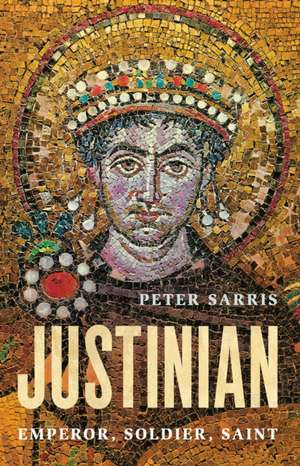
Justinian
Autor Peter Sarrisen Limba Engleză Hardback – 24 oct 2023
Această lucrare semnată de Peter Sarris aduce o perspectivă proaspătă și necesară asupra secolului al VI-lea, depășind abordările tradiționale care se concentrează strict pe campaniile militare de recucerire a teritoriilor pierdute. Considerăm că noutatea acestui volum constă în modul în care autorul integrează forțele impersonale — schimbările climatice dramatice și devastatoarea ciumă bubonică — în analiza stabilității imperiale, oferind un context multidimensional eforturilor lui Justinian de a restaura măreția Romei. Recomandăm acest volum pentru analiza detaliată a codificării dreptului roman, un pilon care a supraviețuit până în prezent în structura juridică europeană. Justinian acoperă aceeași arie istorică ca The Emperor Justinian and the Byzantine Empire de James Allen Evans, dar cu o abordare mult mai axată pe transformările structurale ale statului și pe ideologia de „Republică Ortodoxă”. În timp ce alte lucrări similare, precum cele din seria Cambridge Companions to the Ancient World, oferă o viziune fragmentată prin contribuții multiple, Sarris construiește o narațiune unitară și coerentă. Această monografie se înscrie organic în opera autorului, rafinând temele economice explorate în Economy and Society in the Age of Justinian și extinzând viziunea panoramică din Empires of Faith. Autorul reușește să echilibreze portretul unui „rege demon” cu cel al unui reformator energic, subliniind rolul crucial al Împărătesei Teodora în ameliorarea condiției femeilor și a claselor defavorizate, oferind astfel o imagine completă a unei epoci de tranziție de la Antichitate la Evul Mediu.
Preț: 216.19 lei
Carte disponibilă
Livrare economică 06-20 august
Specificații
ISBN-10: 1541601335
Pagini: 544
Dimensiuni: 153 x 242 x 48 mm
Greutate: 0.79 kg
Editura: BASIC BOOKS
De ce să citești această carte
Această carte este esențială pentru cititorii pasionați de istorie bizantină și evoluția sistemelor de drept. Peter Sarris oferă o analiză riguroasă a modului în care Justinian a transformat imperiul într-un model de guvernanță ce a influențat de la regi medievali la califi musulmani. Câștigați o înțelegere profundă a modului în care crizele sanitare și climatice pot modela politicile unui imperiu, într-o lectură ce reevaluează moștenirea unuia dintre cei mai complecși lideri ai istoriei.
Despre autor
Peter Sarris este un distins istoric britanic, lector în istorie medievală și membru al Trinity College, Cambridge, precum și al All Souls College, Oxford. Expertiza sa vastă în istoria Imperiului Bizantin și a tranziției de la lumea romană la cea medievală este reflectată în numeroasele sale lucrări de referință. Printre contribuțiile sale notabile se numără studii asupra economiei și societății bizantine, precum și analize panoramice ale bazinului mediteranean. Prin lucrarea de față, Sarris își consolidează poziția de autoritate în domeniu, utilizând o metodologie care îmbină analiza documentară cu datele arheologice recente pentru a oferi o imagine fidelă a antichității târzii.