
Introduction to Medical Software
Autor Xenophon Papademetris, Ayesha N. Quraishi, Gregory P. Licholaien Limba Engleză Hardback – 5 mai 2022
Adresată profesioniștilor aflați la început de drum în domeniul tehnologiei medicale, precum și inginerilor software sau managerilor de produs care fac tranziția către sectorul sănătății, Introduction to Medical Software servește drept fundament teoretic și practic esențial. Remarcăm faptul că autorii, Xenophon Papademetris, Ayesha N. Quraishi și Gregory P. Licholai, nu își propun să predea programare, ci să definească riguros contextul în care codul devine un dispozitiv medical sigur. Ca și Peter J. Ogrodnik în Medical Device Design, autorii distilează experiența reală în principii acționabile, punând un accent major pe puntea dintre inginerie și reglementările stricte ale FDA. Structura volumului reflectă o progresie logică, pornind de la cadrul de afaceri și managementul calității, trecând prin fundamentele matematice necesare și culminând cu detalierea ciclului de viață al software-ului. Reținem abordarea pragmatică a proceselor de validare și verificare, elemente critice în dezvoltarea de tip „software as a medical device” (SaMD). Spre deosebire de alte manuale tehnice, această lucrare publicată de Cambridge University Press integrează o secțiune de studii de caz de impact, analizând eșecuri istorice precum incidentul Therac-25. Această metodă pedagogică subliniază importanța managementului riscului, o temă centrală regăsită și în lucrările lui Bijan Elahi, însă Introduction to Medical Software se distinge prin acoperirea extinsă a provocărilor moderne aduse de Big Data și algoritmii de învățare automată (AI/ML).
Preț: 467.89 lei
Preț vechi: 577.64 lei
-19%
Carte tipărită la comandă
Livrare economică 18 noiembrie-02 decembrie
Specificații
ISBN-10: 1316514994
Pagini: 342
Dimensiuni: 208 x 260 x 23 mm
Greutate: 0.96 kg
Ediția:Nouă
Editura: Cambridge University Press
Locul publicării:Cambridge, United Kingdom
V-ar putea interesa
-
 Statistics in MedicineRobert H. Riffenburgh-29%Preț: 526.86 lei739.36 lei
 -
 Pharmaceutical MedicinePhil Ambery-5%Preț: 333.61 lei351.17 lei
 -
 The Unofficial Guide to PrescribingAli B.A.K. Al-Hadithi-30%Preț: 242.82 lei345.15 lei
 -
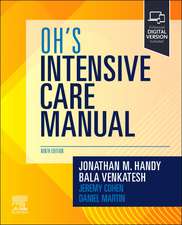 Oh's Intensive Care ManualJonathan M. Handy-29%Preț: 688.26 lei970.31 leiRecomandat
 -
 Legal Medicine: Health Care Law and Medical EthicsAmerican College of Legal Medicine-29%Preț: 1283.09 lei1796.47 lei
 -
 Sabiston Textbook of Surgery: The Biological Basis of Modern Surgical PracticeDouglas Scott Tyler-29%Preț: 1162.18 lei1642.82 leiRecomandat
 -
 Kumar and Clark's Clinical MedicineDavid Randall-26%Preț: 486.25 lei659.11 leiRecomandat
 -
 -31%Preț: 221.67 lei320.80 lei
 -
 MeditationsMarcus AureliusPreț: 33.79 lei
 -
 Medical SciencesDenise Syndercombe Court-26%Preț: 418.08 lei565.64 lei
 -
 100 Cases in Clinical MedicineEamon Shamil-5%Preț: 258.82 lei272.44 leiRecomandat
 -
 Starting out in StatisticsPatricia De WinterPreț: 294.90 lei
 -
 Statistics at Square OneMichael J CampbellPreț: 236.85 lei
 -
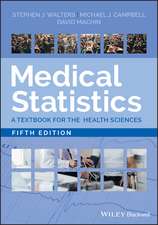 Preț: 345.25 lei
 -
 R-ticulateMartin Bader-23%Preț: 646.35 lei839.43 lei
 -
 CURRENT Medical Diagnosis & Treatment 2026Maxine A. Papadakis-24%Preț: 478.55 lei633.64 lei
 -
 Computerized Medical Office ProceduresWilliam D. Larsen-31%Preț: 582.94 lei849.92 lei
 -
 DoctoredCharles PillerPreț: 112.81 lei
 -
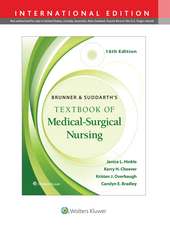 Brunner & Suddarth's Textbook of Medical-Surgical NursingJANICE L. HINKLE-19%Preț: 659.26 lei811.87 lei
 -
 Statistics for ScientistsUmberto Michelucci-20%Preț: 275.88 lei344.84 lei
De ce să citești această carte
Această carte este esențială pentru oricine dorește să înțeleagă arhitectura și reglementările din spatele software-ului medical, fără a se pierde în detalii de programare. Cititorul câștigă o viziune de ansamblu asupra procesului de la idee la piață, învățând cum să navigheze cerințele de siguranță și calitate. Este un ghid practic care transformă incertitudinile tehnice în parametri de proiectare bine definiți.